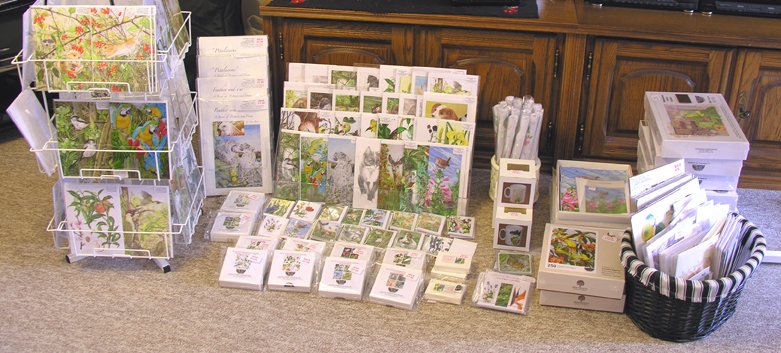
Sometimes we wonder why things do not happen when we expect them to. I realised suddenly this morning that I had received no sales of DL Greetings Cards because I had omitted to press a particular button 30 times when setting up my shop page! Very annoying.
However, all is now well, so if you are looking for unique DL (ordinary envelope size) greetings cards for Easter or any time, you can now order them from my website (£1.50 each): VISIT DL CARDS PAGE
If you like a bigger card, there are also A5 CARDS available (£2.00 each)
And NOTELETS (pack of 6 little cards same design, £3.50 per pack)
And POSTCARDS (packs of 2, same design, £1.00 per pack)
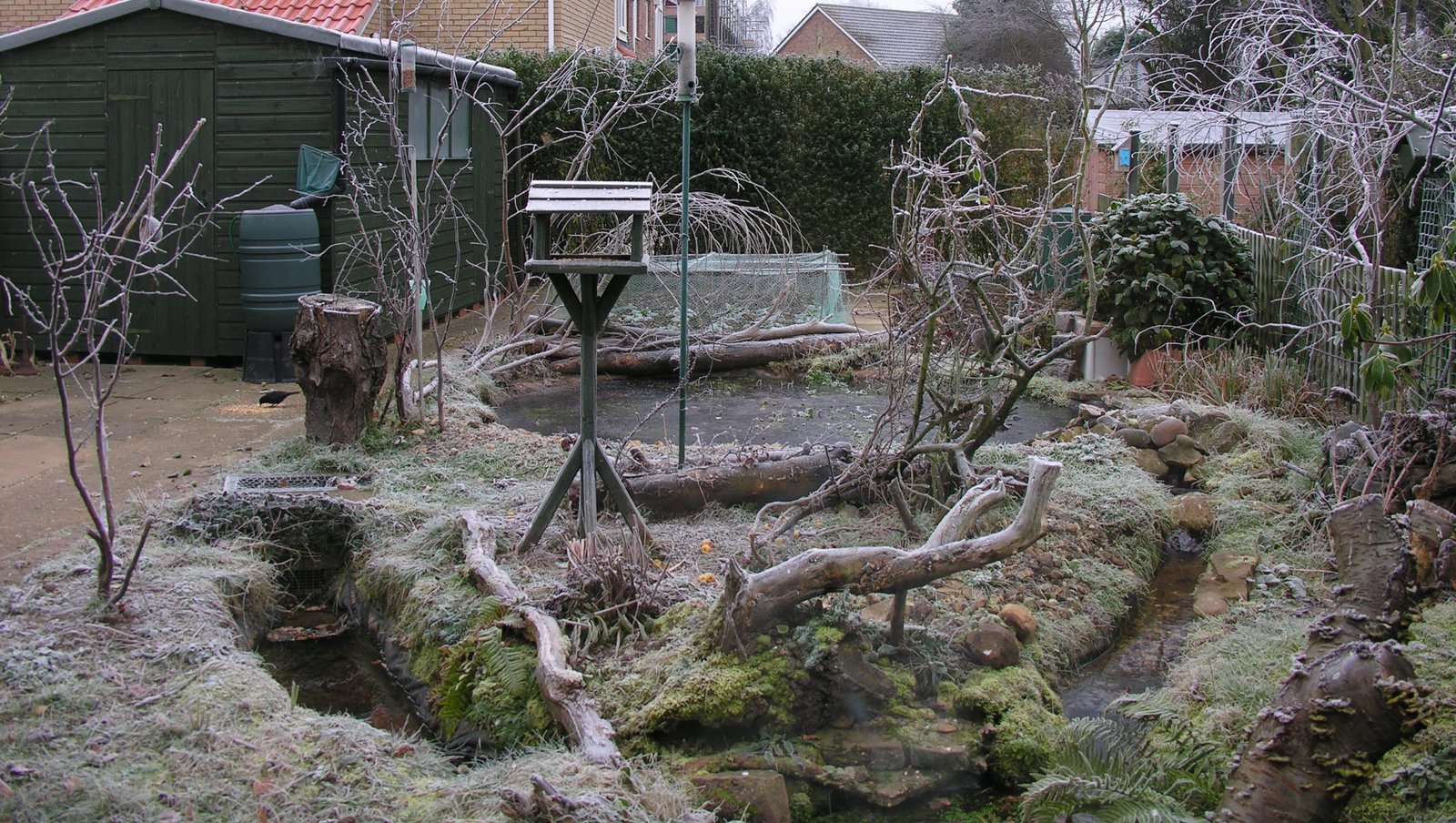
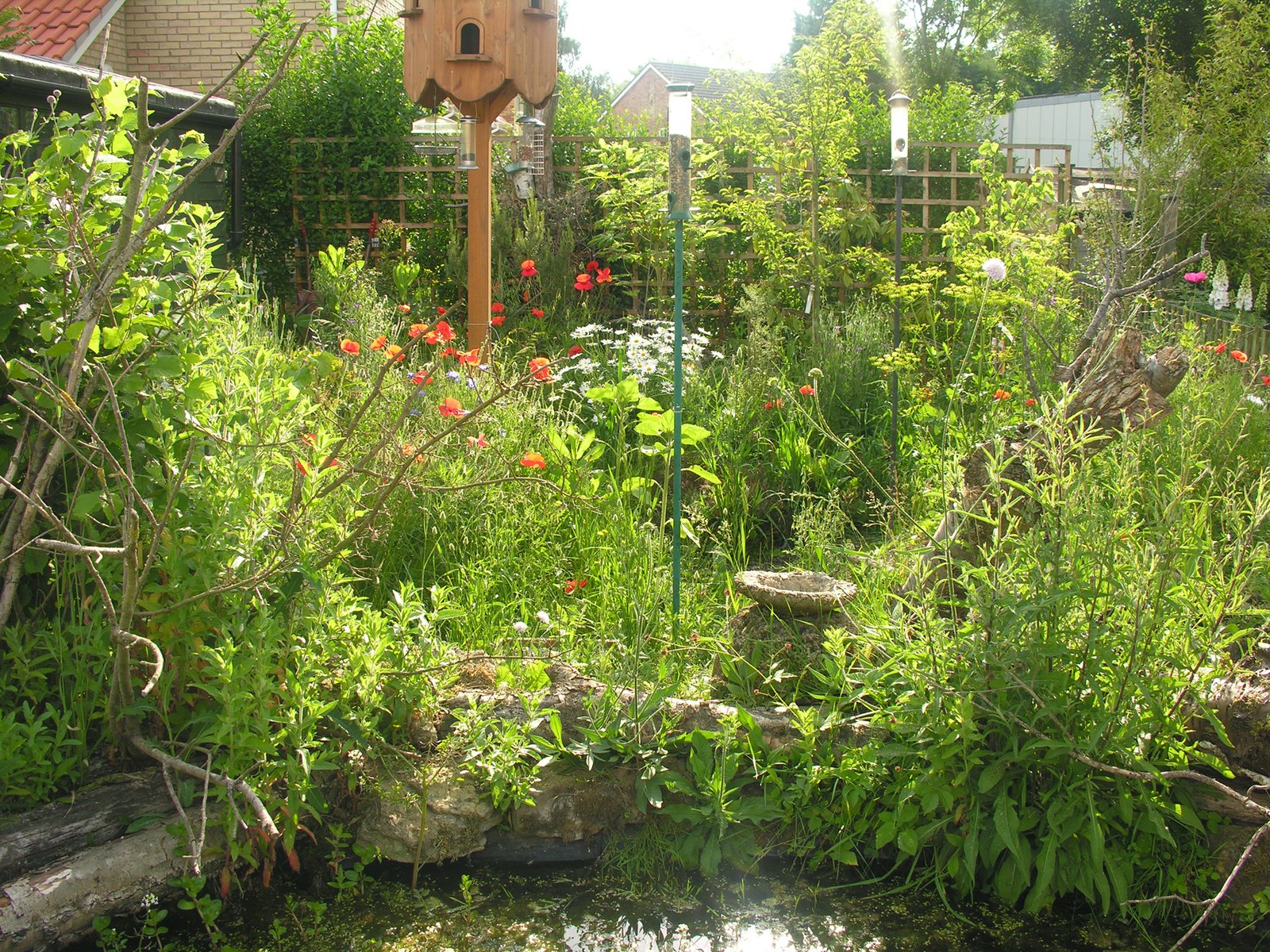
It is not a strange title really. My little wild garden has changed enormously since its original inception when we had myriad visiting animals and birds, as well as hubbie’s vegetable patch beyond. There was also a beautiful privet hedge along the bottom, which, along with mature ash trees, was supposed to be protected from removal, but which have now been removed (housing development). The photograph shows the original wild garden design which flourished with all manner of incumbents. We had hedgehogs, pheasants, muntjac, woodmice, the occasional black rat (which, in full view, chomped the seeds of common vetch), and black and grey squirrels. Birds galore included chaffinches, greenfinches, goldfinches, longtailed tits, coal tits, blue tits, great tits, red poll, starlings, blackbirds, crows, magpies, jackdaws. Amphibians and reptiles: common frog (about 50), two little toads, common newts, grass snake (from next door’s compost heap). We even had a green parakeet visit the bird feeders (view story here).
2008: Original little wild garden, veggie patch and privet hedge.This photograph was taken in June 2010 just after the trees (and dovecote) were planted. The dovecote cost £400 and disintegrated in December 2020 (husband called it my “Brown” elephant! As you can see, wild flowers and grasses are abundant, even sunflowers sprung up from dropped bird seed. Sprigs of the privet hedge are still in view, but disappeared soon after, and now (2019) a 6ft solid wooden fence has been constructed, blocking even more light – but the shade-loving wild plants such as aconite, snowdrop, lesser celandine and stinking hellebore will hopefully still grow.
After the removal of ash trees and the privet hedge by the owner of the new property at the rear of our garden, I planted lots of trees to shield the view of the new buildings which had taken away our beautiful green-space views (and, sadly, for a while my sanity—there is so much heartache and sadness associated with losing nature, when the loss of the trees and hedges which we had enjoyed for over 40 years were very suddenly not there). Planted tree species include: holly (x2), yew, rowan, walnut, oak, cobnut, horse chestnut, larch, Scots pine, crab apple, sweet chestnut, hawthorn, box, gorse, cooking apple, mulberry, and a loquat and olive tree which have since been moved to the front of our house to the Mediterranean herb garden where they are more protected from the cold.
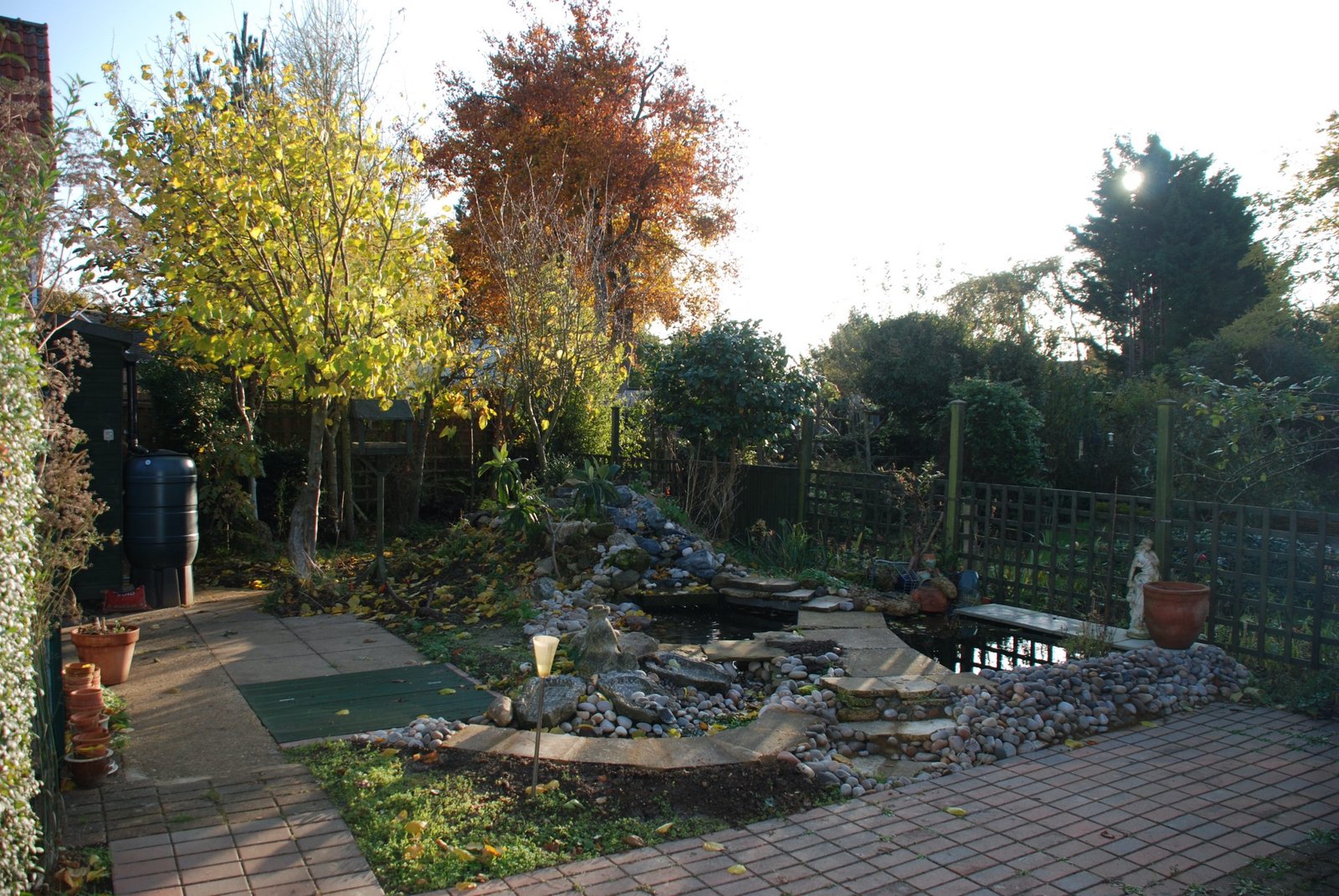
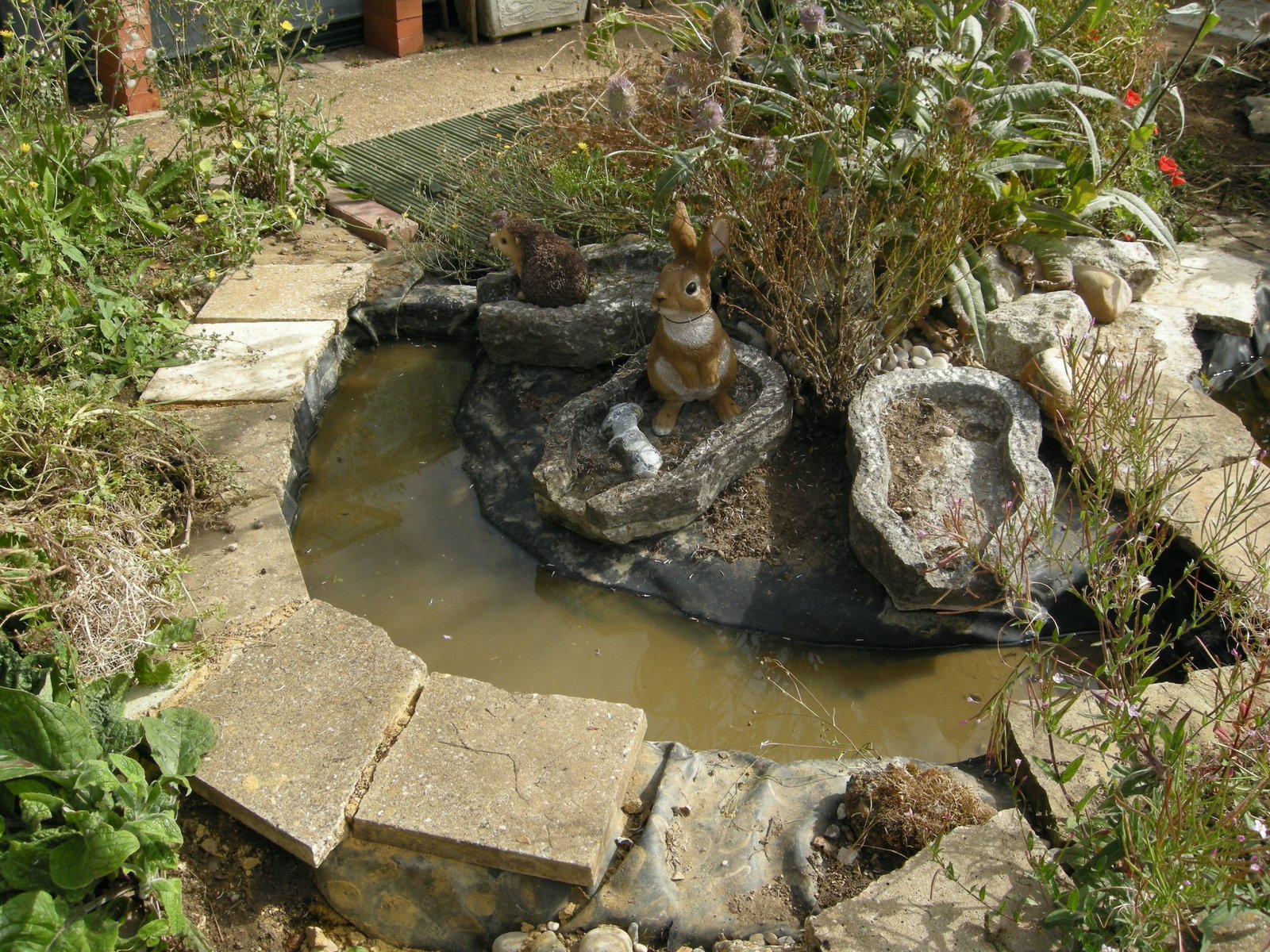
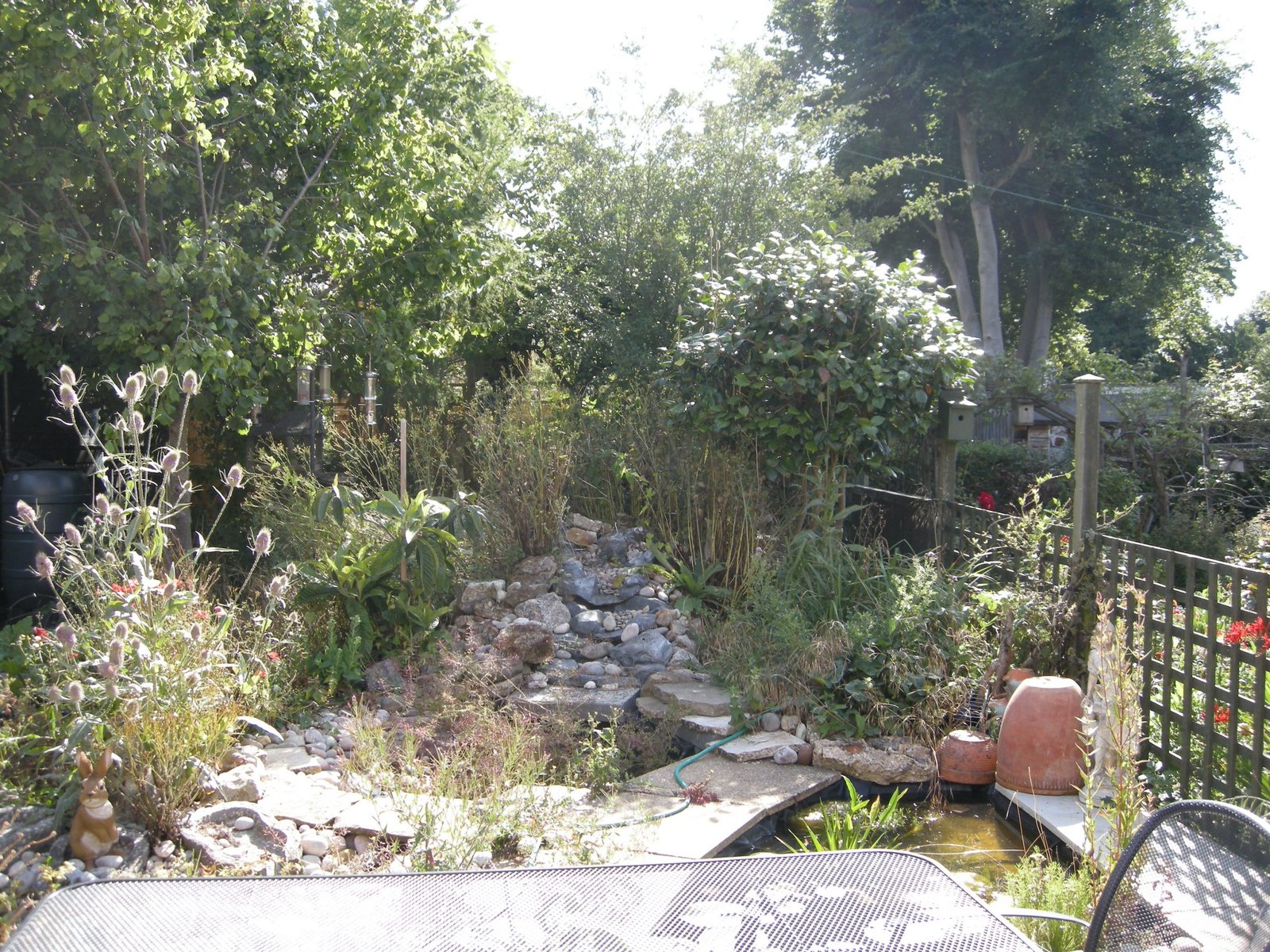
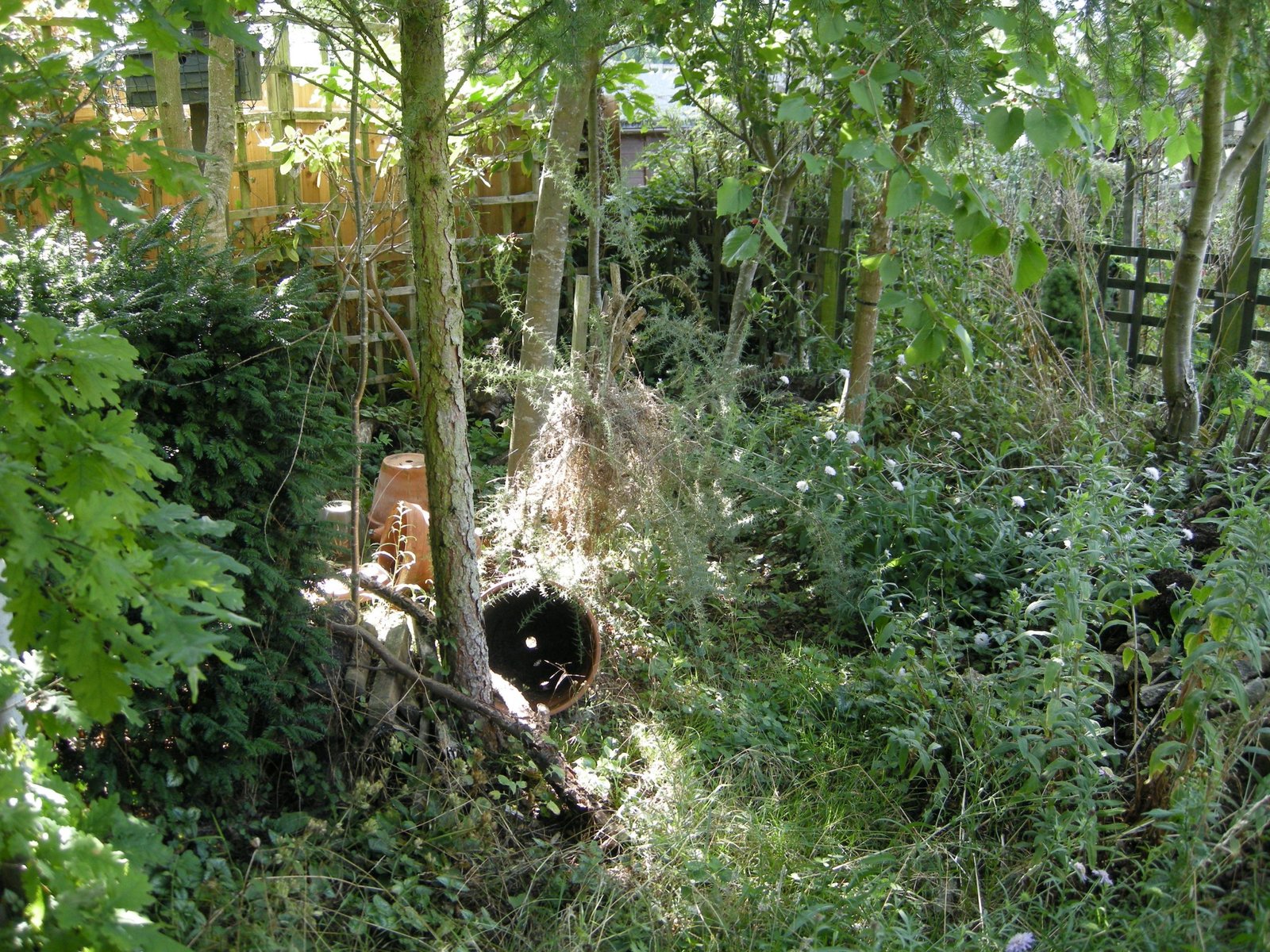
The cobnut, left, has since been removed because it ran amok! Note the large beech tree, centre, is in the telephone exchange beyond our garden, which has now been viciously “pruned”…and as we do not get any animals now I succumbed to “pretend” ones! Note the horrid colour stream with no plant life. When we first put in the stream I had water cress growing in it, but everything deteriorated over the summer. No wildlife, not even a frog or newt!Left, oak, yew, horse chestnut (behind) rowan (skinny stick) larch, crab apple, gorse in front, sweet chestnut and cooking apple. The big leaves top right belong to the mulberry tree which fruited for the first time in 2020.
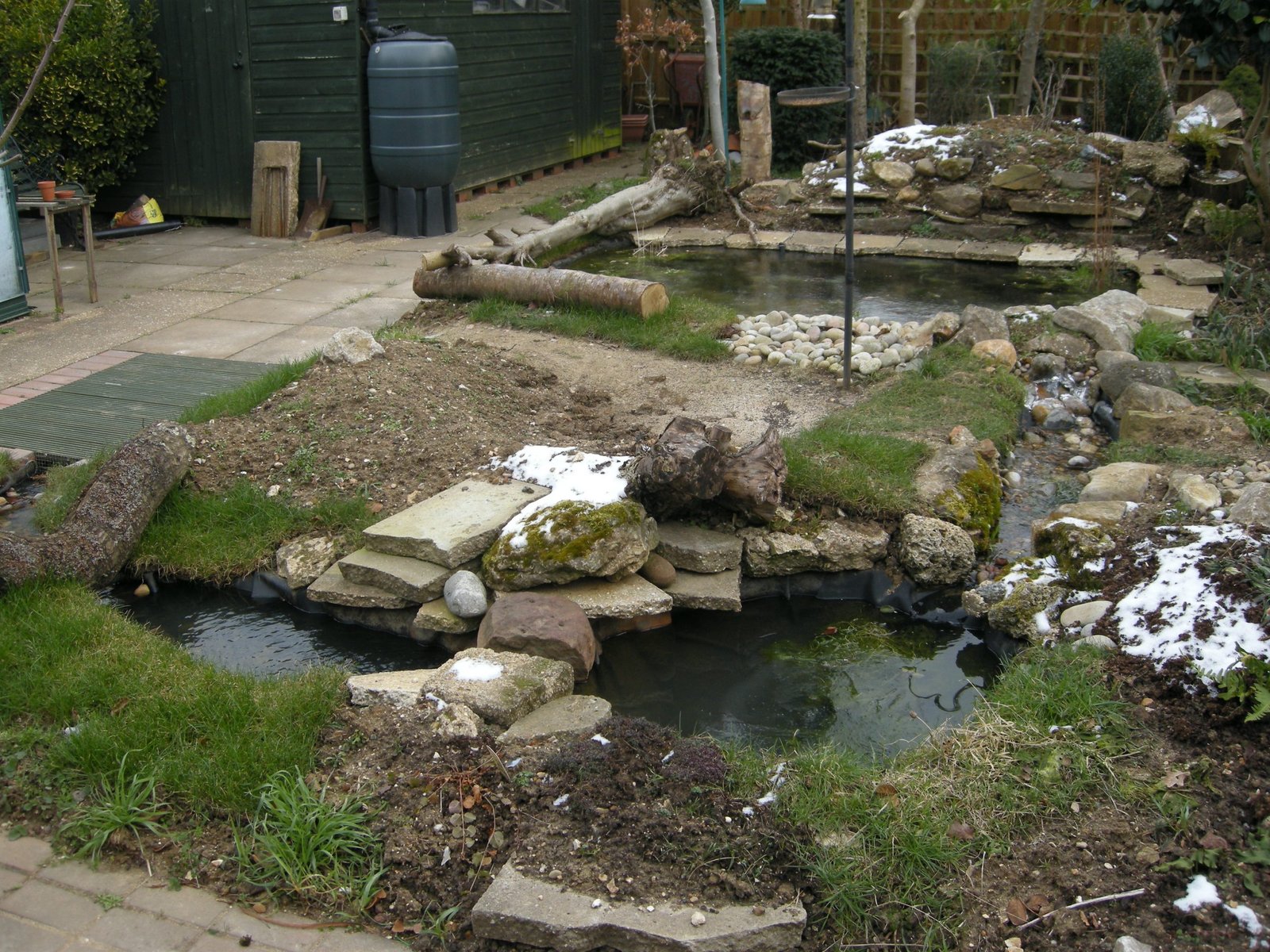
And so to the present. After much deliberation and angst, it has come to what you see below. The outlook is promising. The “chalk” stream is functioning well (Ranunculus is growing), and blackbirds and starlings have started to bathe again. The transported water plants in the pond appear to have survived, although the pond is now used so much by pigeons for their daily bath, there is much green algae growing due to the added feather-dust and poo nutrients. (Sadly, my 2021 big garden birdwatch only listed 2 blackbirds, 2 starlings, 2 wood pigeons, 2 ring-necked doves and 3 greenfinches, which have not been around for a couple of years or more.) I await the spring to see what flowers pop up, including the Pasqueflower whose seeds I will be planting on my little south-facing chalk hill which you can see in the next photograph left of centre with a large piece of chalk stone at the top! Because we are mostly clay-based soil, I have had to improvise a bit – but it is working.
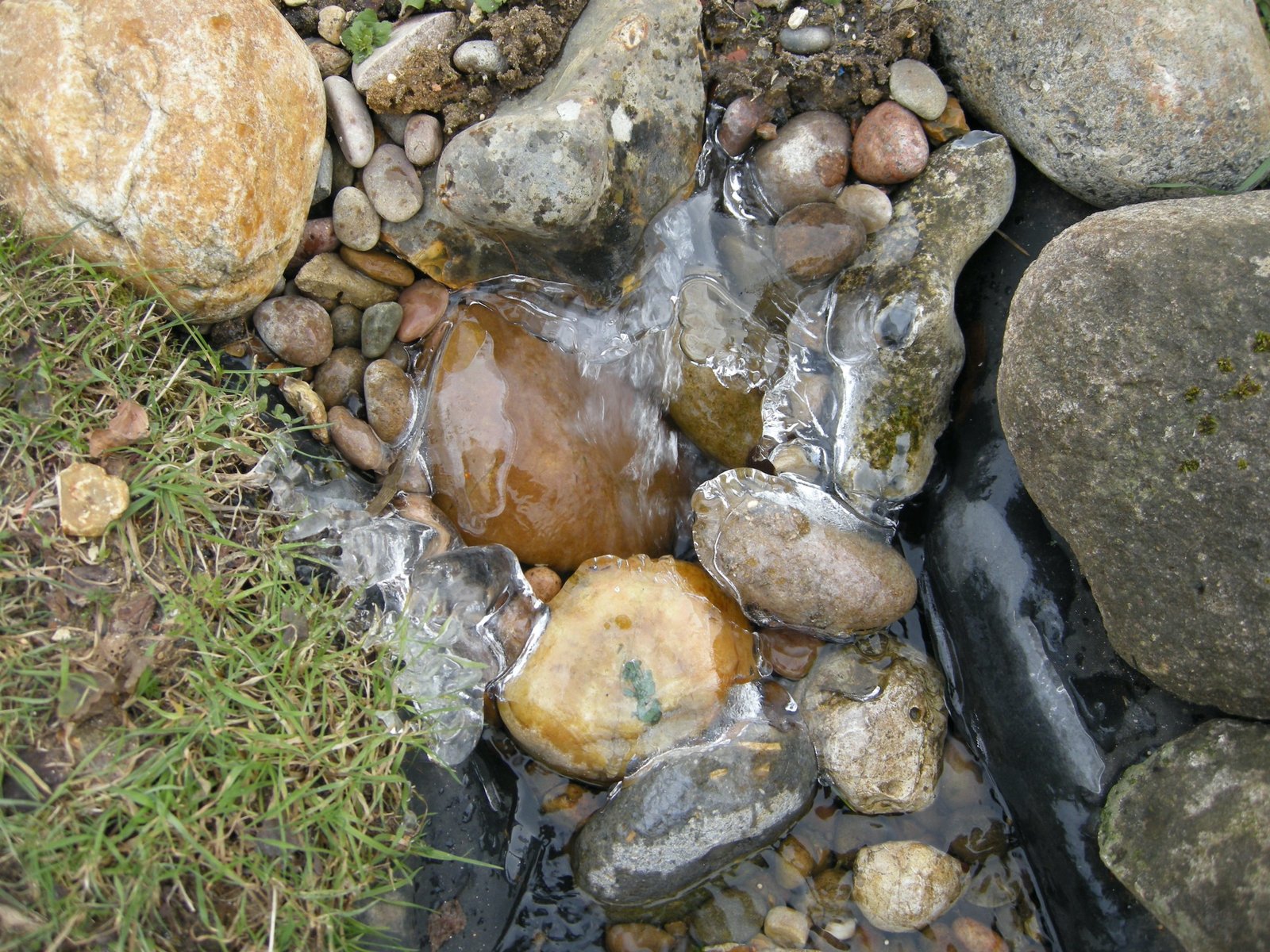
Taken this morning (14 February – ooh, Valentine’s Day!). You can see to the left of the pond that the trunk of the cobnut tree is lying prostrate to provide nourishment for insect critters etc. The log lying in front of it is one of five which I purchased from a Norfolk farmer for £20 (we managed a few days away in the caravan in October 2020) and which are dotted about the garden and will soon be “old” wood which the insects love (I hope we get lesser stag beetles again which we had in the original garden under an old cherry stump (read the story here)……and our “bubbling” spring had a ring of beautiful ice shards this morning, where it rises miraculously from the ground.
I have quite a few packets of wild seed to sprinkle about, plus I purchased some wild flower plugs last year (some of which have survived!) and intend to plant them soon. Hopefully there will be an abundance of flowers like I had before. One can only hope!
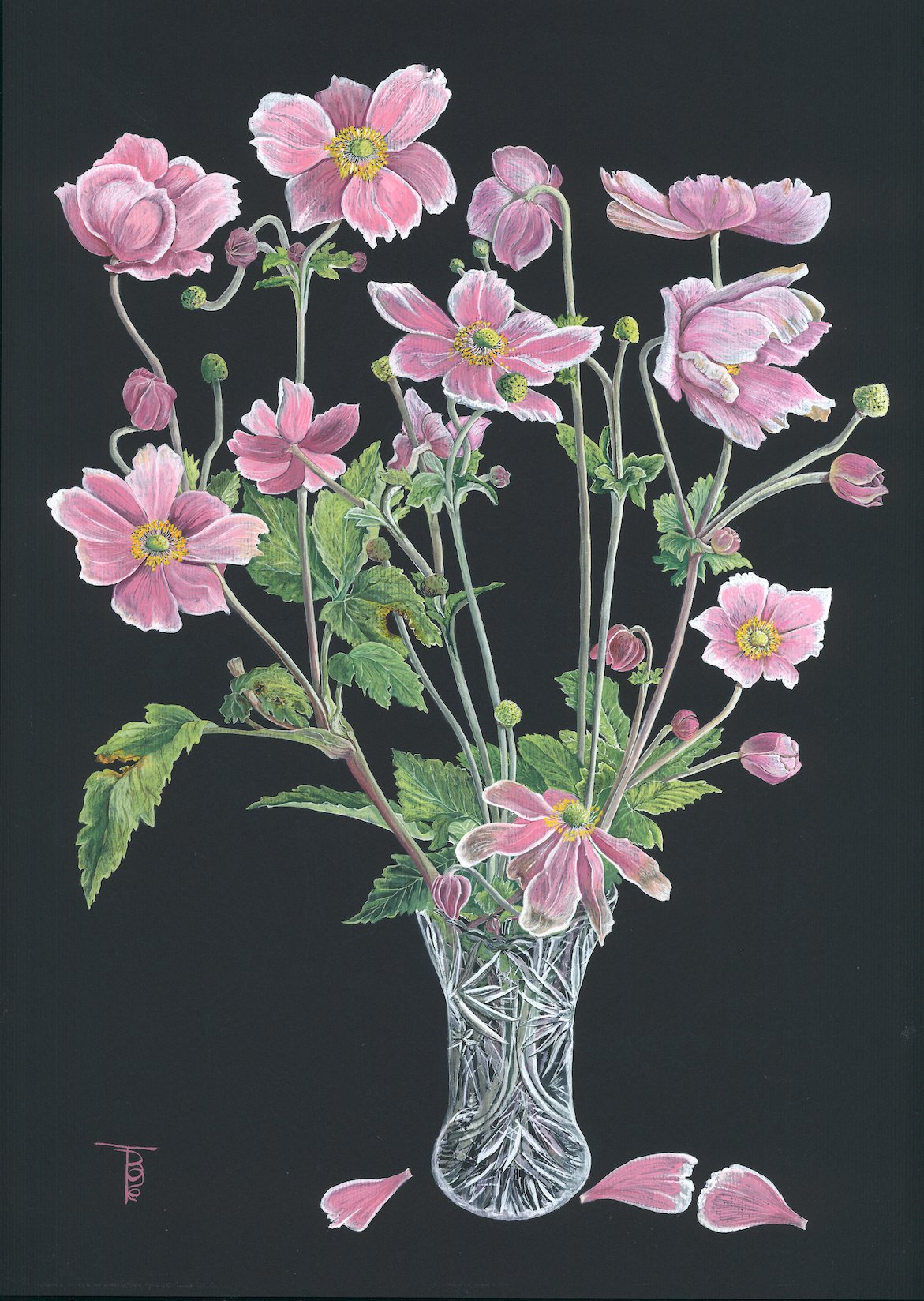
Artist Code 2013: Three Plucked Petals (Japanese Anemones, Anemone hupenhensis)
I have been working on a little painting since last September which nearly went into the bin! I purchased some black water colour paper to try (Royal Talens van Gogh black water colour 100% cellulose paper 140lbs). It was on offer and once I started working on it I realised why.
For someone like myself, who paints very nitty-gritty, cellulose paper is like painting on rough bricks. Not good at all for botanical work (although I thought flowers on a black background would be lovely to do, ever since I saw a painting at Kew Gardens in Dr Shirley Sherwood’s Gallery of a pink rhododendron on a black background, but painted on calf-skin vellum. It was so vibrant I determined that day that I would do a similar painting sometime). The rest of this paper will be relegated for use in my “moody” painting sessions.
Late last summer (2020) I played tennis at Cambridge Lawn Tennis club where I am a member and there were a few pink Japanese anemones still flowering so I asked permission to pick a few. I came home all excited with my prize and could not wait to get started. However, after sketching out my drawing on white paper to transfer onto the black stuff I realised that I did not know how to transfer a drawing onto black paper! In the end I managed to scan the sketch in and print it on to the paper with a very feint green line. When I started painting with water colour, I was devastated that the paint just seemed to disappear! I tried with oil pencils, but that did not look good, and then with acrylic: better, but still not the effect I was seeking. Very disillusioned, I cleaned my palette and put the painting away.
Having been very busy up till Christmas and New Year producing a couple of little books which I published, I felt like painting a picture. I started on one of Turtle Doves (Blog entry), but lost interest as soon as I started it, so that went on the back burner.
I turned again to the black paper and re-drew the picture with white gouache and paintbrush. This worked very well, so I purchased a few gouache colours and set to work. This is the result. Not sure that I like it, but it will do as a starter.
Happy New Year to everyone, and let us hope that 2021 brings something more than lockdown!
I have just been updating my latest artwork to the website and my Artwork Catalogue to end 2020 and start afresh with a new website layout and shop in 2021 (hopefully!). The new website will have a much-needed “s” after its http! (Don’t worry about it if you do not understand that phrase—it is all automatic.)
I have just added the last Picture Profiles to the 2020 Gallery and all is now complete.
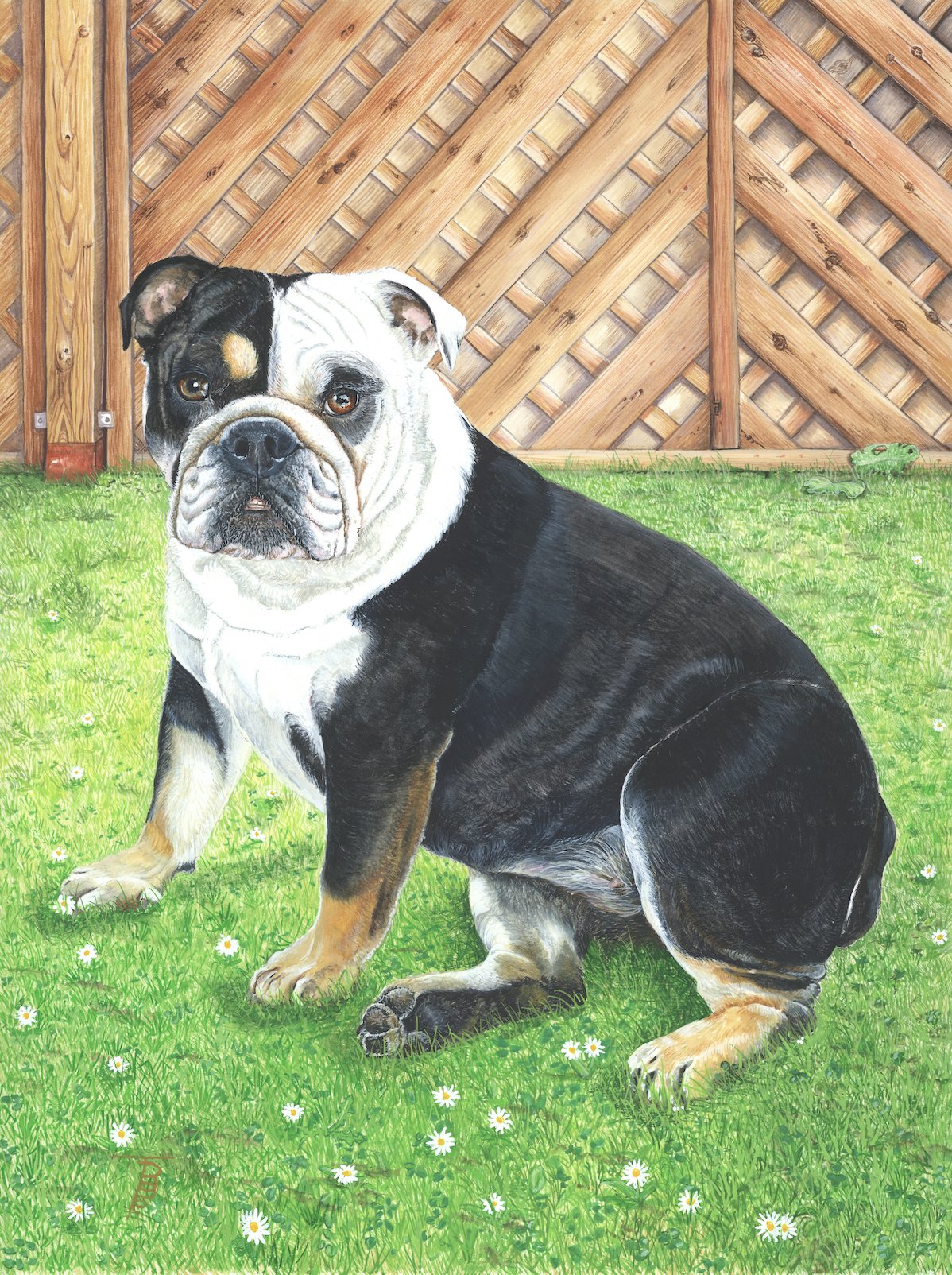
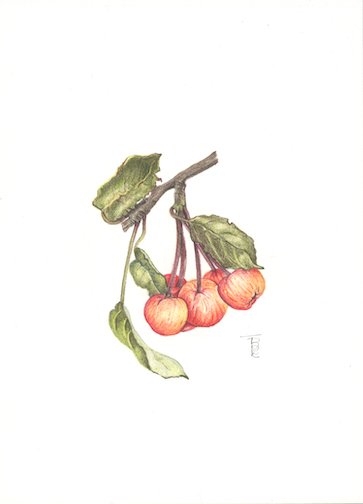
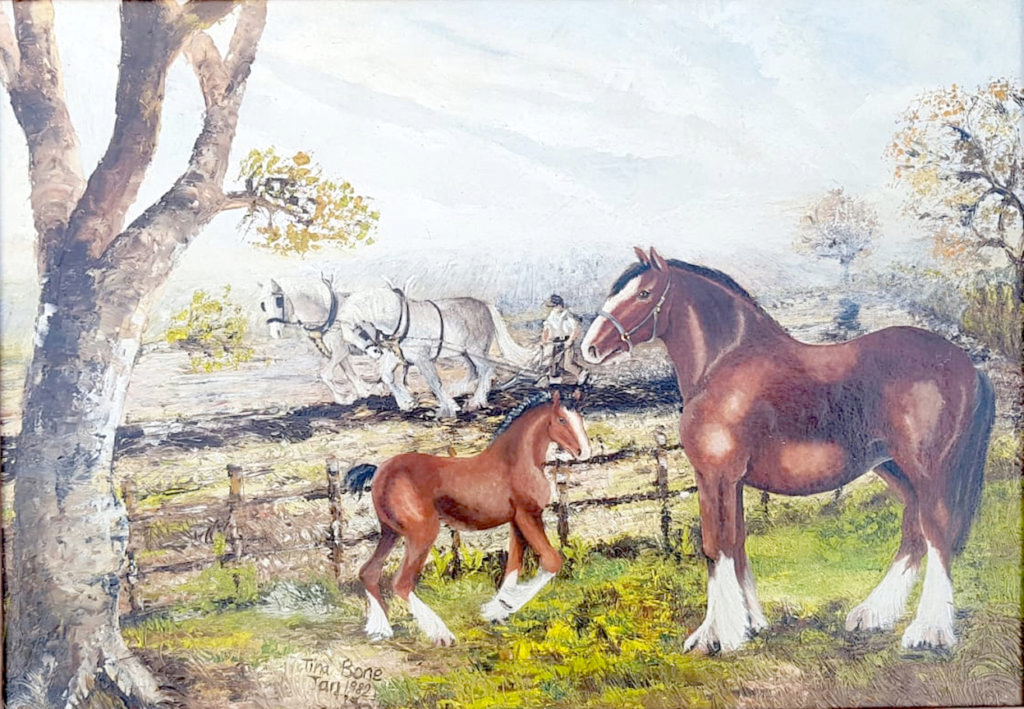
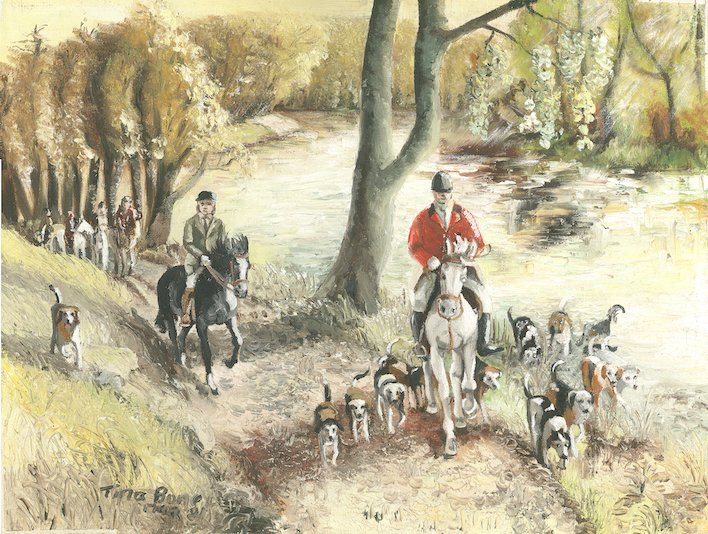
These are the four final paintings to be added for 2020. Two new and two rediscovered old ones from the 1980s (it is lovely that old works come to the fore and bring back memories—when I can remember that is!)
I hope you all had a lovely Christmas break and that your New Year celebrations will be calm and collected, and shared with some loved ones. Let us hope that 2021 sees us rid of this awful lockdown calamity. Best wishes to all: Tina Bone xxx
Not had much time for personal painting (Turtle Doves) because there is an unusually high amount of river friend stuff to sort out. Thank you to all those lovely people and organisations who are furnishing me with plenty of news about rivers and rare plants—it is all very much appreciated.
Here is the latest on the “Queen” and her Beau (Artist Code 2017. I know—not much to look at yet, but there are never enough hours in my day to do all that I wish to be able to do!):
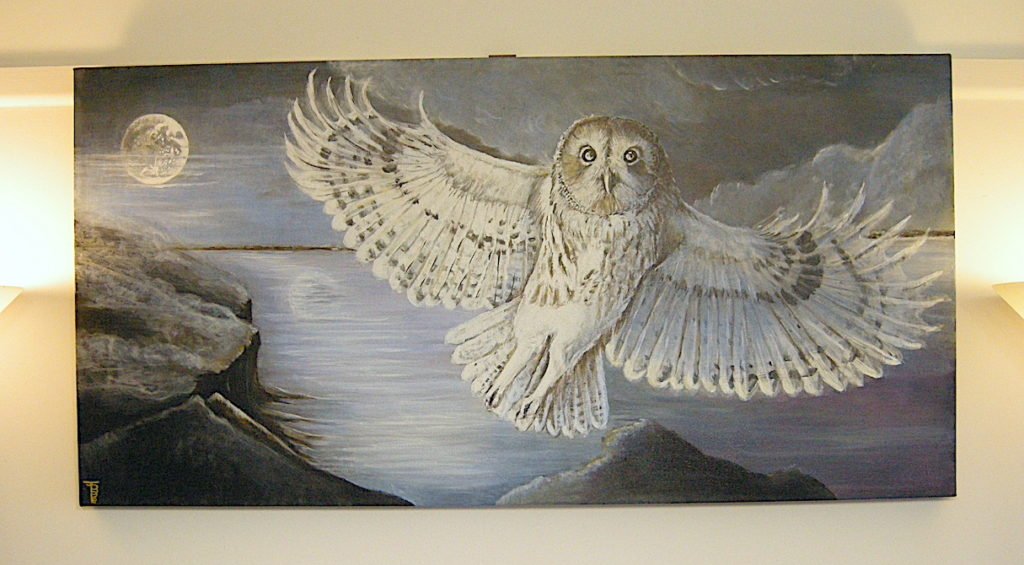
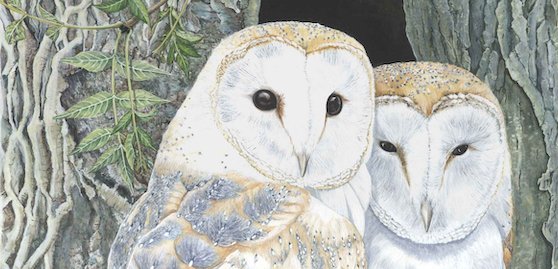
And Artist Code 1808 “Moon Eyes Tawny” is now ready to fly to his new Lincolnshire home. All sealed and varnished with fixings.
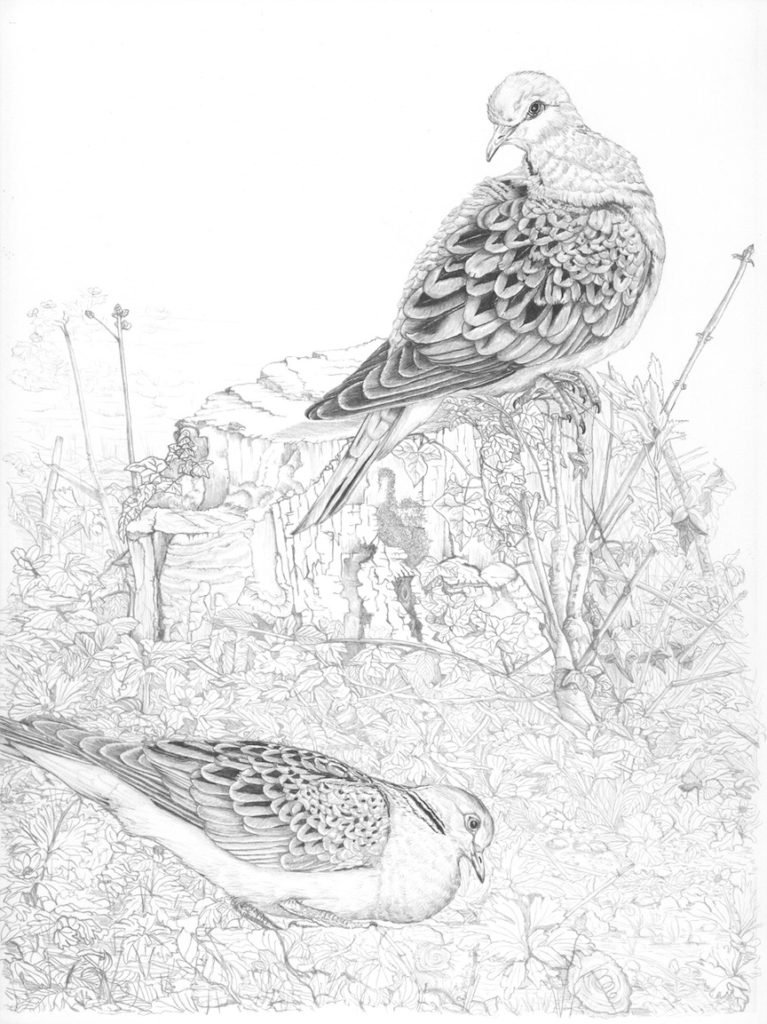
I was fortunate enough to be commissioned to portray the beautiful turtle dove for a “birders” 80th birthday—being his favourite bird. The commissioner contacted me on a Monday when the birthday was the next Saturday. In that short time, all I could produce was a graphite drawing, see bottom of this post.
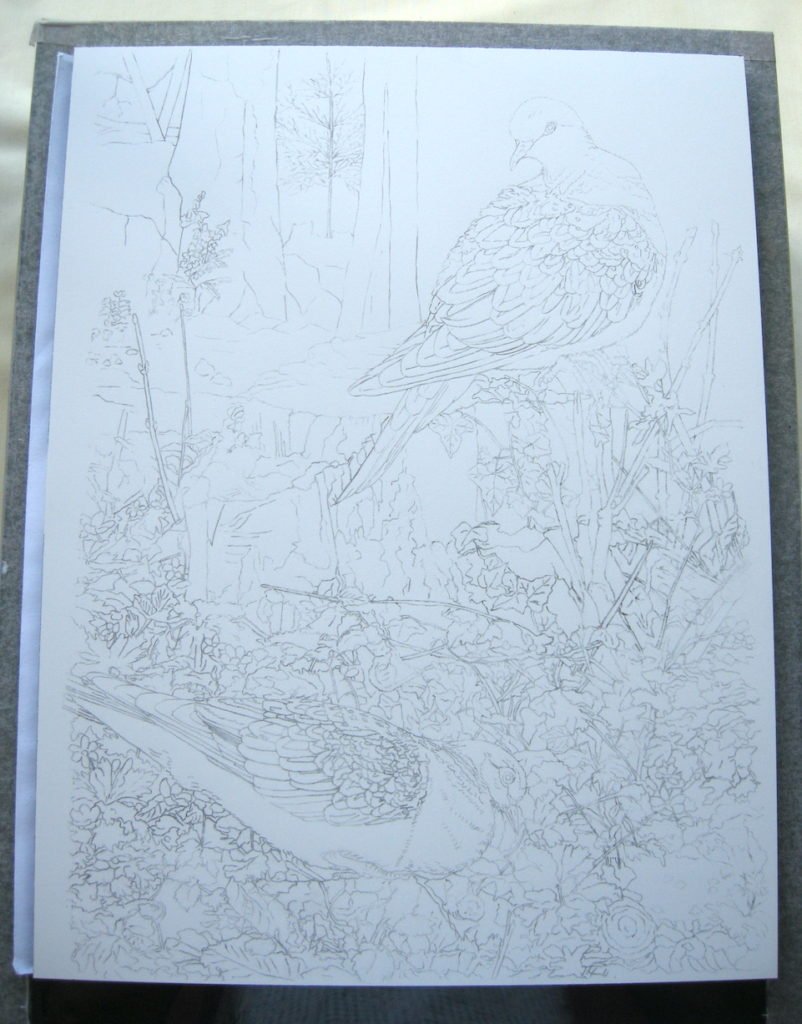
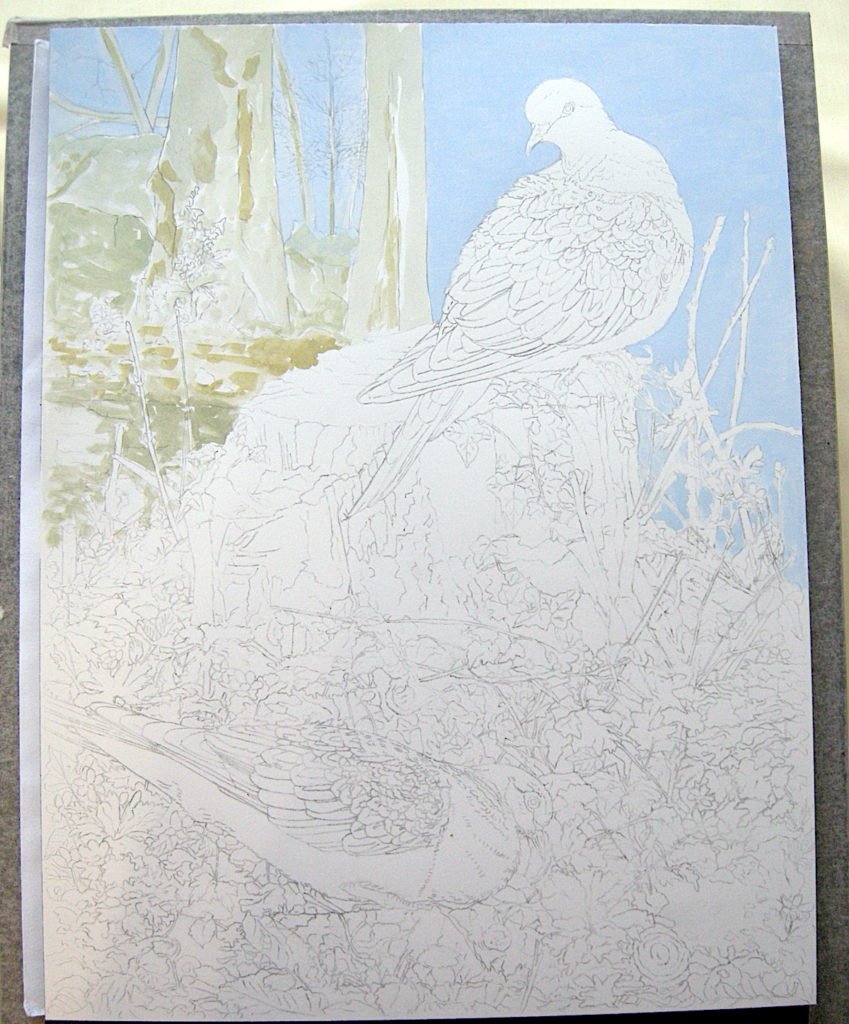
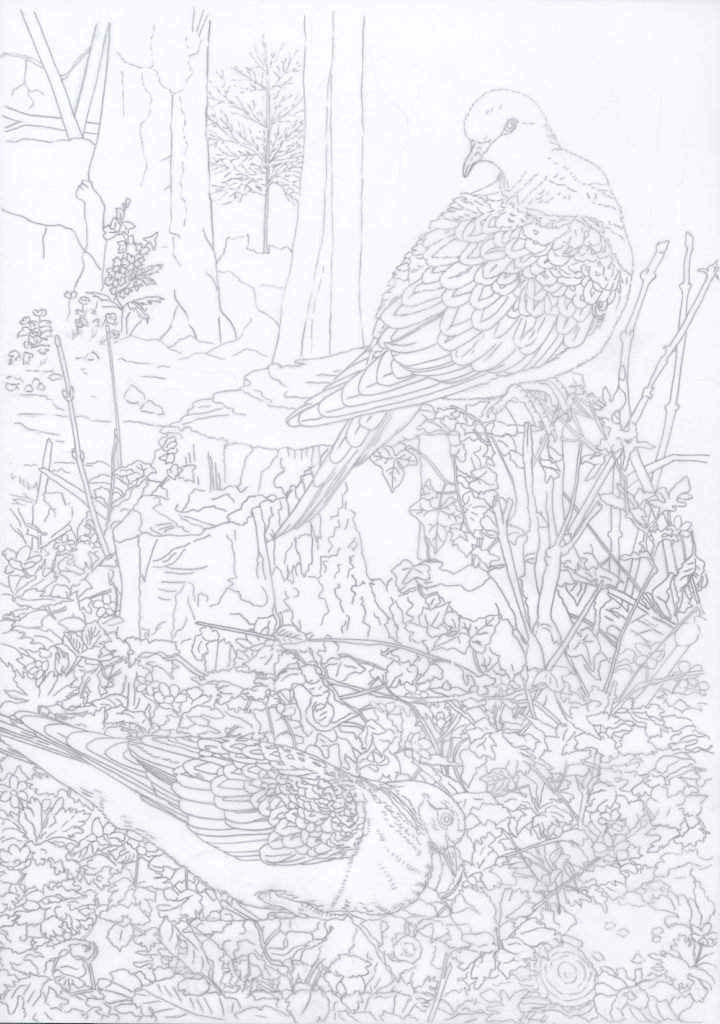
I was much taken with the beauty of these birds so have decided to use my preliminary sketch from that commission to produce a water colour painting. Heart on sleeve, I shall post progress as and when. Below is my preliminary drawing which today (Sunday 29 November 2020) I have just transferred onto my lovely Aquarelle Arches cotton rag paper ready to paint…. (pencil lines have been enhanced so that you can see it better).
Resources for this work are my own photographs taken at Pensthorpe Nature Reserve in Norfolk a few years ago. The doves and other wild fowl, including Bearded tits/reedlings (painting already done of these), were in a very large aviary, and the birds were acting as near-normal as can be in such circumstances. Ruffs were cavorting, and the male turtle doves were parading—hence the title. The background is a sawn tree-stump surrounded by wood anemones taken in Switzerland a few years ago (but which could easily be in Britain, so I am using it!).
All ready for the water colour paintArtist Code 2016: the finished commissioned piece just called “Turtle Doves” Graphite drawing completed 8 October 2020 on Aquarelle Arches 140lb cotton rage 12″ x 16″
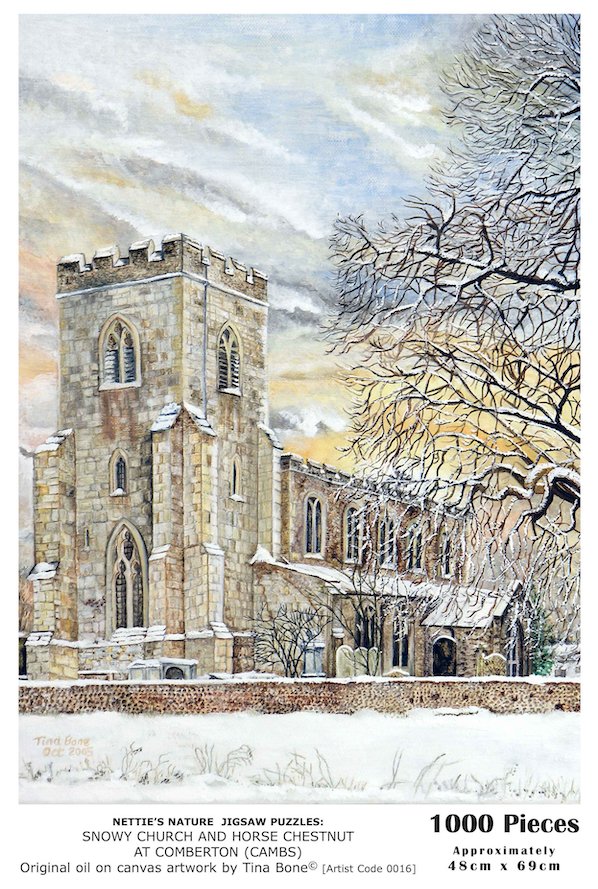
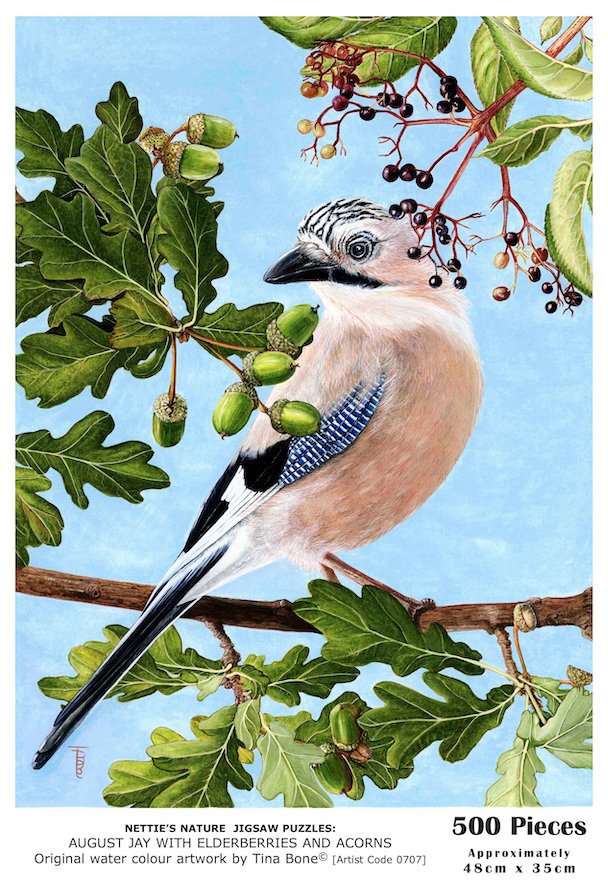
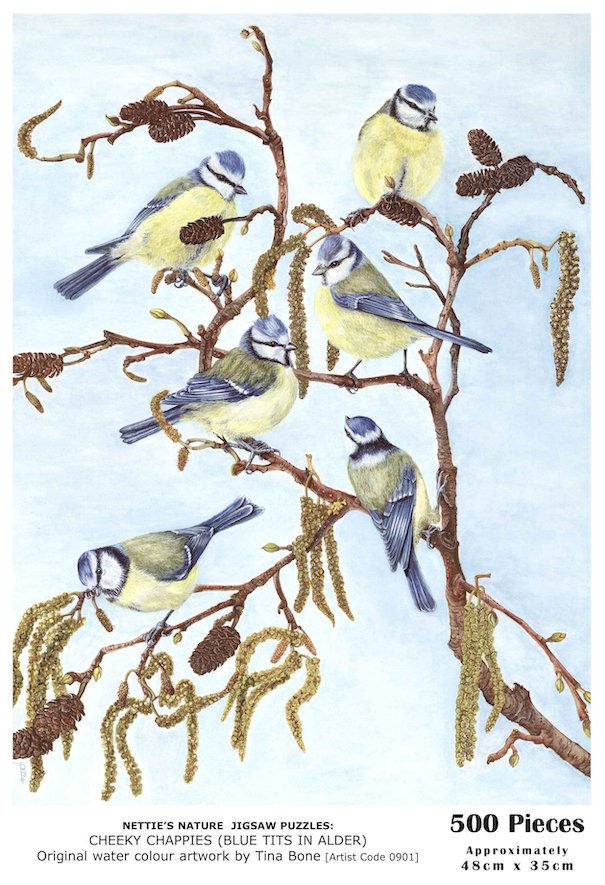
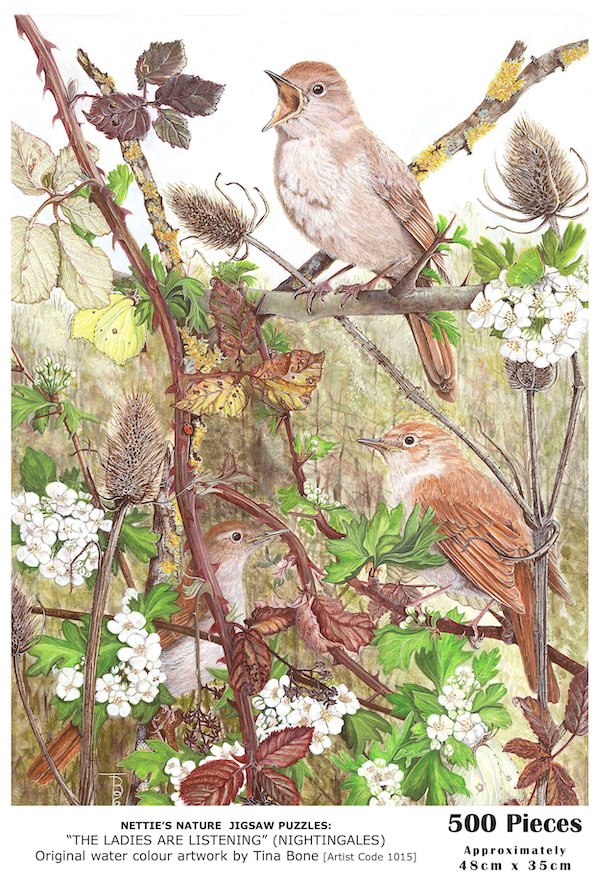
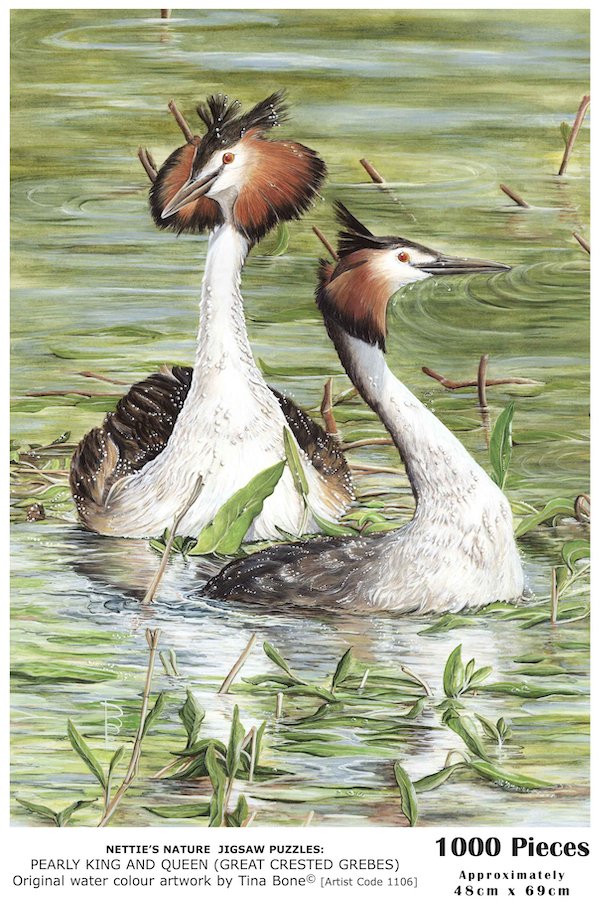
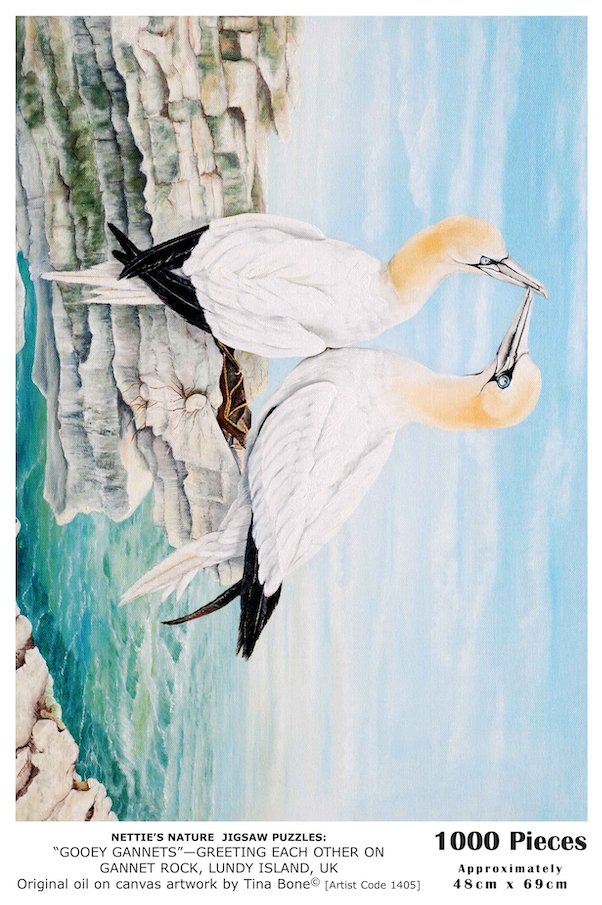
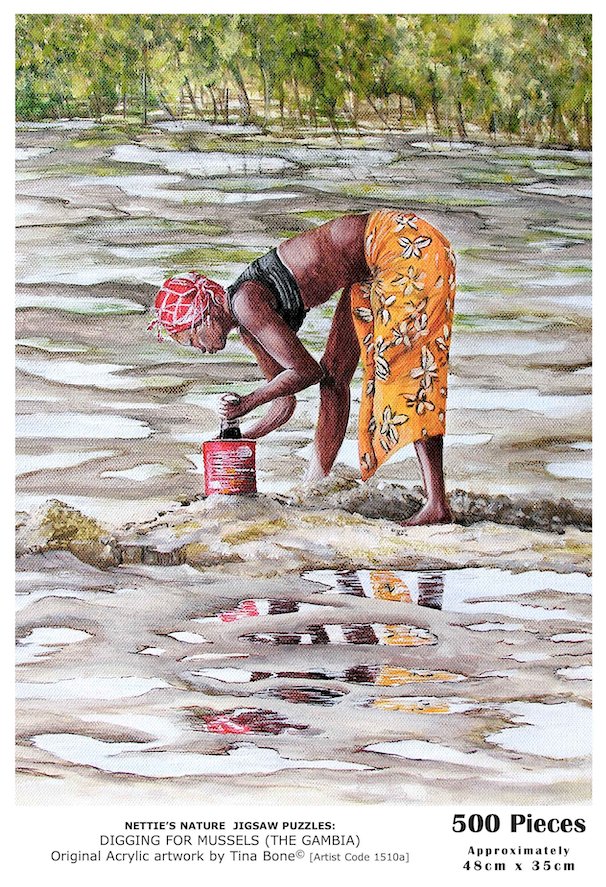
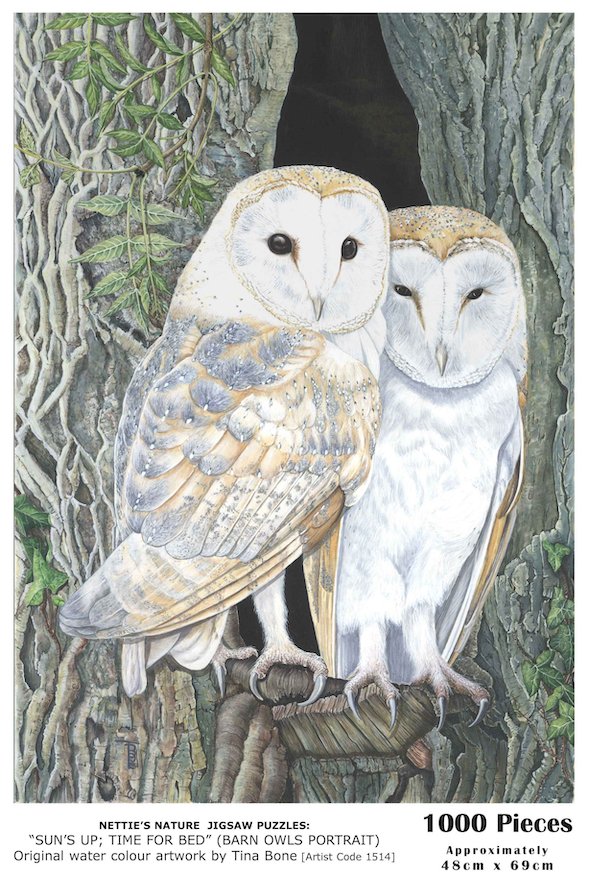
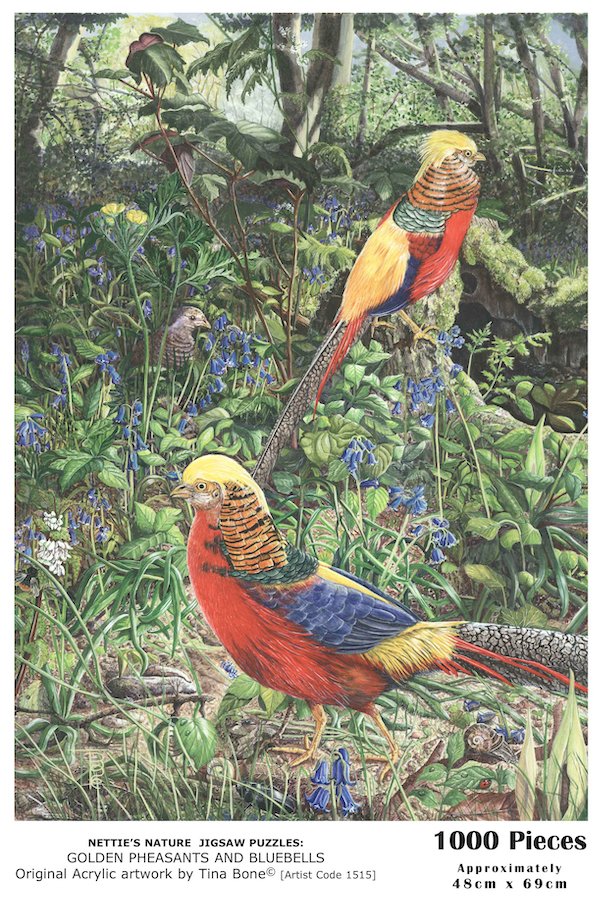
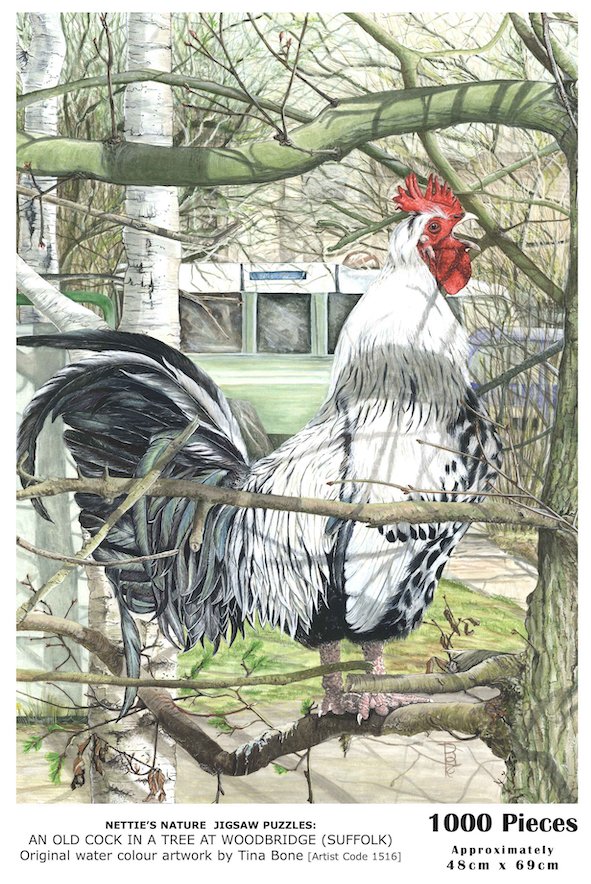
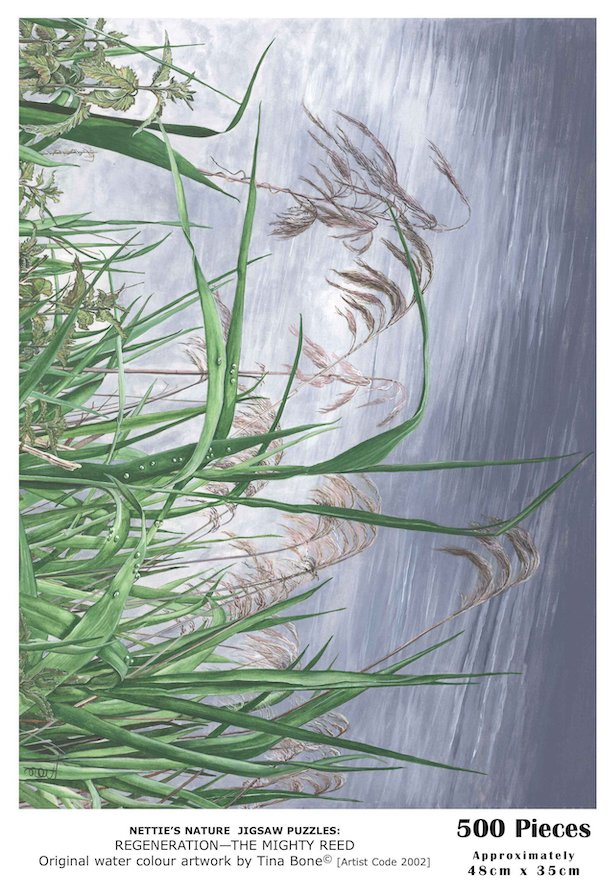
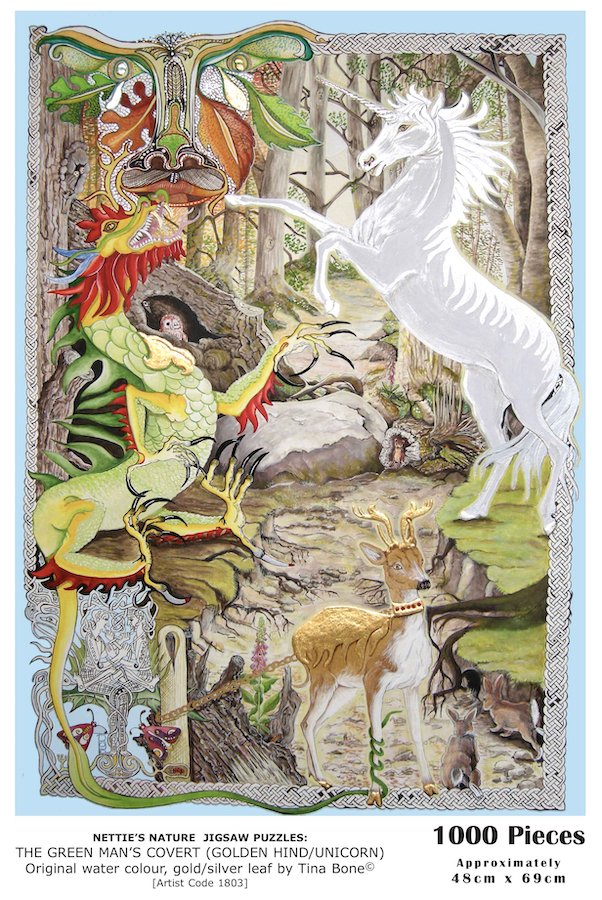
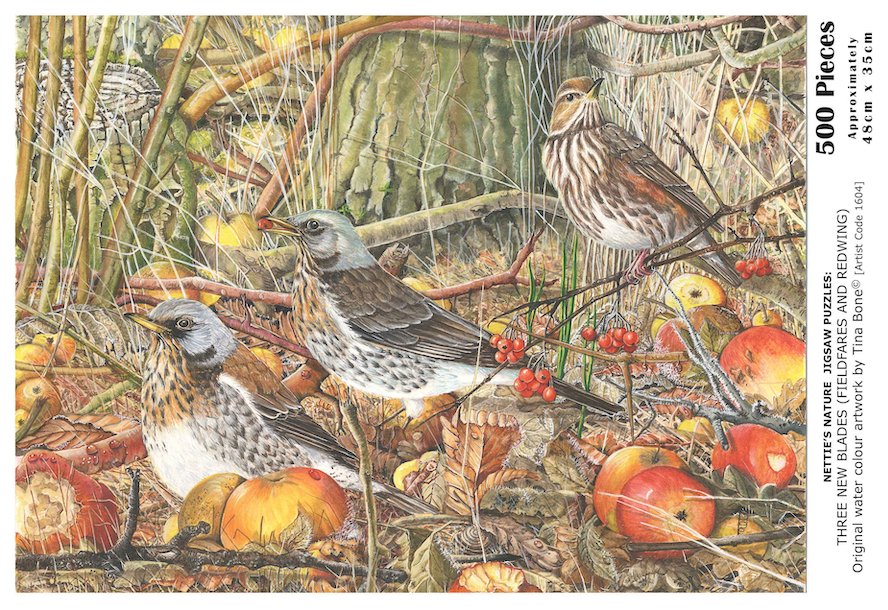
After a successful run of jigsaw puzzles previously made especially for me by JHG Jigsaw Puzzles Ltd, I am very pleased to announce that a new series of 500 and 1000 piece puzzles will be out in the next few weeks.
Why “Nettie’s Nature Puzzles”? I just wanted something different and catchy and my “proper” name is NETTINA…!
Pictures in the new series include:
JHG Jigsaws Ltd is one of the UK’s few remaining jigsaw puzzle manufactures. Based at our converted farm premises in the beautiful countryside of Dorset, we now manufacture a wide range of jigsaw puzzles. “Made in England” on the boxes means just that, and we use materials that are as eco friendly as we can find. Our puzzle board is made from recycled card as are our puzzle boxes. The paper for the print is FSC certified and our Glue is starch based, made especially for us. Where possible we try to “Buy British” for the other components of our puzzles. This, we hope, all helps to reduce our carbon footprint.
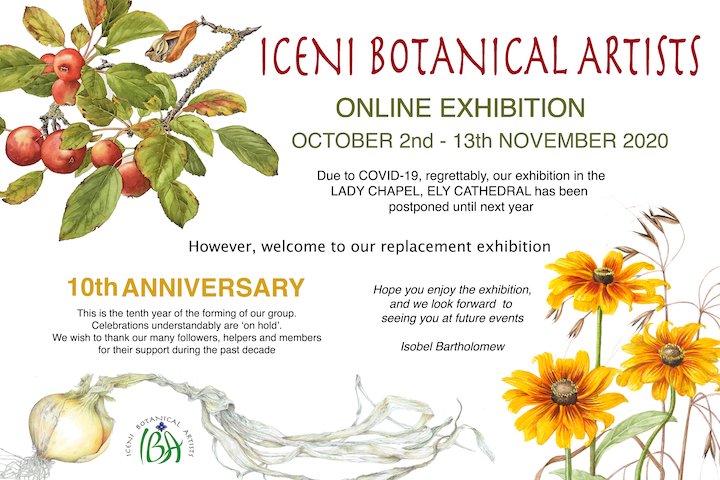
We should have been exhibiting (with workshops) at Ely Cathedral, but of course everything is on hold. Please visit and check out the beautiful artwork by the IBA Artists.
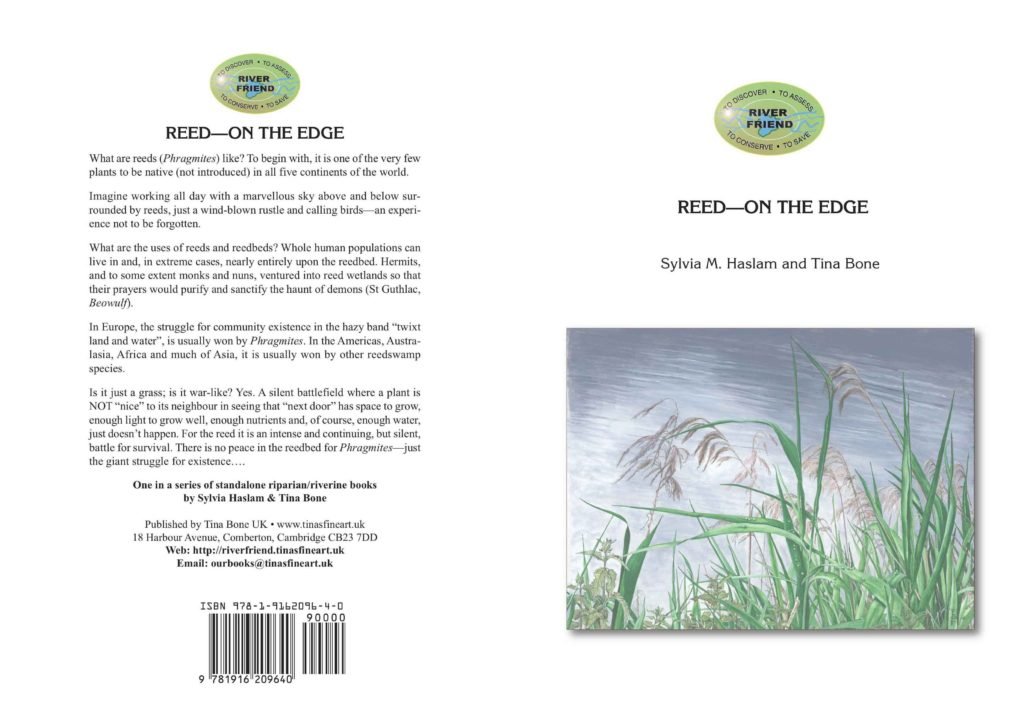
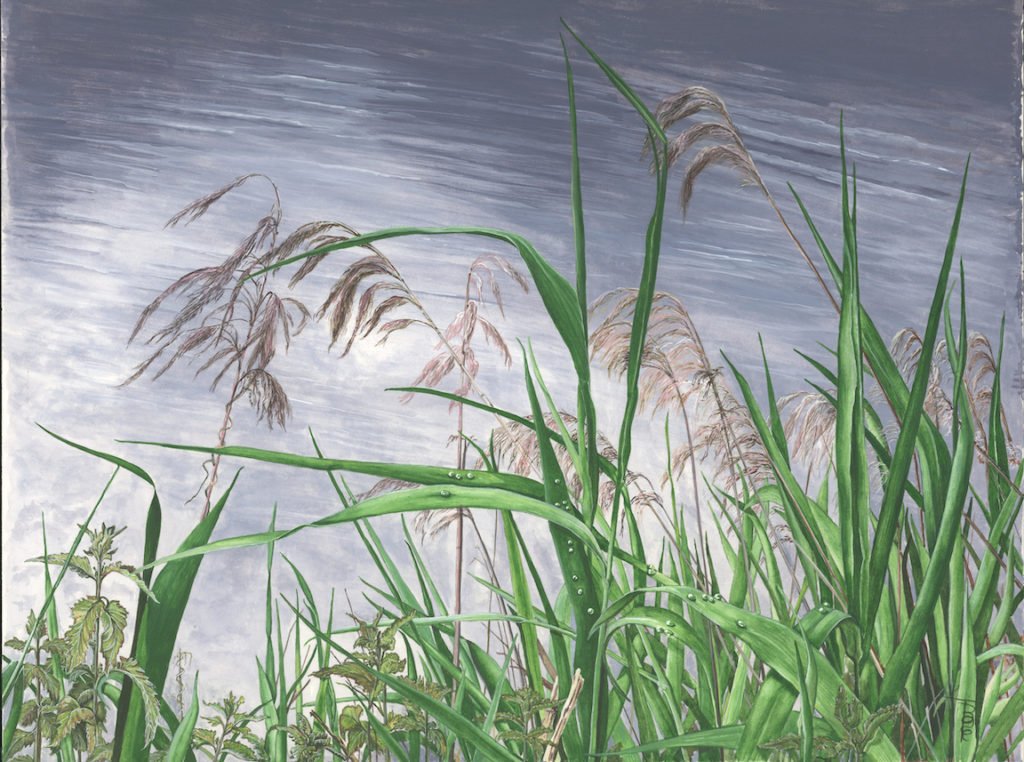
The fifth little book all about the Reed water plant (Phragmites australis), to be published by River Friend, is due out soon. Here is a taster, and please watch out for it on Amazon and other famous bookshops.
RIVER FRIEND: A series of Riverine Small Books by Tina Bone and Sylvia M. Haslam. Book 5. REED—On The Edge
What are reeds (Phragmites) like? To begin with, it is one of the very few plants to be native (not introduced) in all five continents of the world. Imagine working all day with a marvellous sky above and below surrounded by reeds, just a wind-blown rustle and calling birds—an experience not to be forgotten. What are the uses of reeds and reedbeds? Whole human populations can live in and, in extreme cases, nearly entirely upon the reedbed. Hermits, and to some extent monks and nuns, ventured into reed wetlands so that their prayers would purify and sanctify the haunt of demons (St Guthlac, Beowulf). In Europe, the struggle for community existence in the hazy band “twixt land and water”, is usually won by Phragmites. In the Americas, Australasia, Africa and much of Asia, it is usually won by other reedswamp species. Is it just a grass; is it war-like? Yes. A silent battlefield where a plant is NOT “nice” to its neighbour in seeing that “next door” has space to grow, enough light to grow well, enough nutrients and, of course, enough water, just doesn’t happen. For the reed it is an intense and continuing, but silent, battle for survival. There is no peace in the reedbed for Phragmites—just the giant struggle for existence….
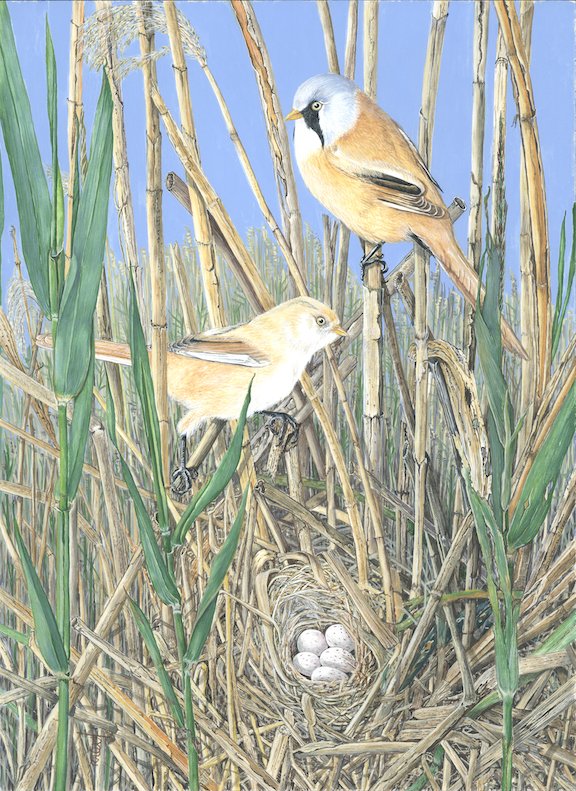
Fig. 1. Apart from its invaluable resource for humans, many animals and birds live and breed in the reedbed. For example, Reed Warblers and Bearded Tits (or Bearded Reedlings). Bearded Reedlings eat mainly reed seeds in winter and soft-bodied insects which gather poolside during the summer. Their nests are built with reed leaves and old fluffy seed heads. The figure shows a male bird with black moustache, and a more plain female, and eggs in a nest in the swaying reed stems.
CONTENTS Introduction Boring? Belligerent? Brilliant? Uses Different wetland species and how they interact Introduction Reedswamp into open water (historically common) Seasonal patterns Root toxins and short grass The Scramblers Management of reedbeds for some (human) use Ways to Dominate Plant factors Outside factors acting in mixed stands Reedswamp to Trees Conclusion References List of Stand-alone Titles in the River Friend Series About the Authors