Click here to view details and to purchase
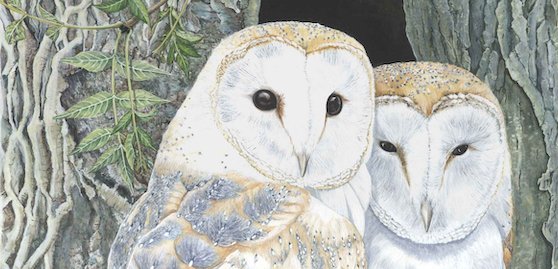
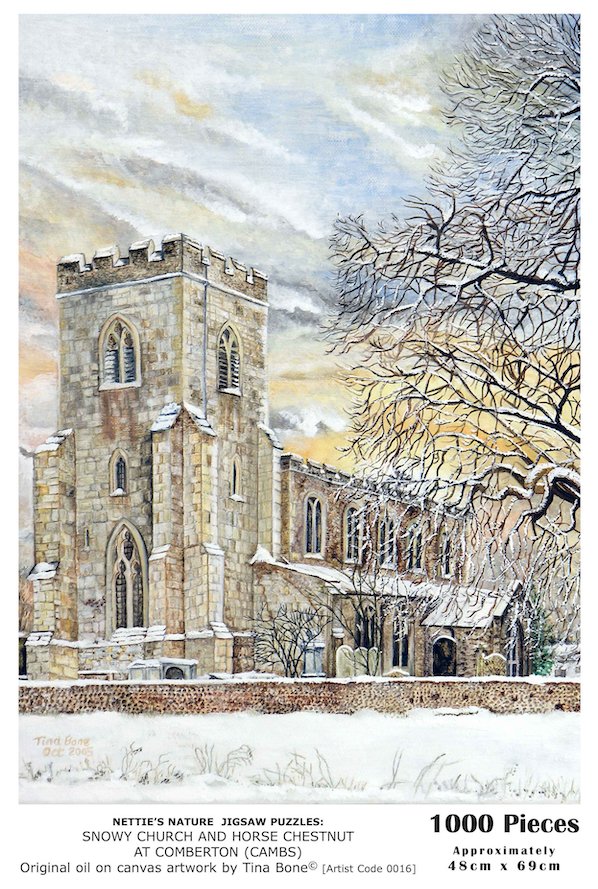
After a successful run of jigsaw puzzles previously made especially for me by JHG Jigsaw Puzzles Ltd, I am very pleased to announce that a new series of 500 and 1000 piece puzzles will be out in the next few weeks.
Why “Nettie’s Nature Puzzles”? I just wanted something different and catchy and my “proper” name is NETTINA…!
Pictures in the new series include:
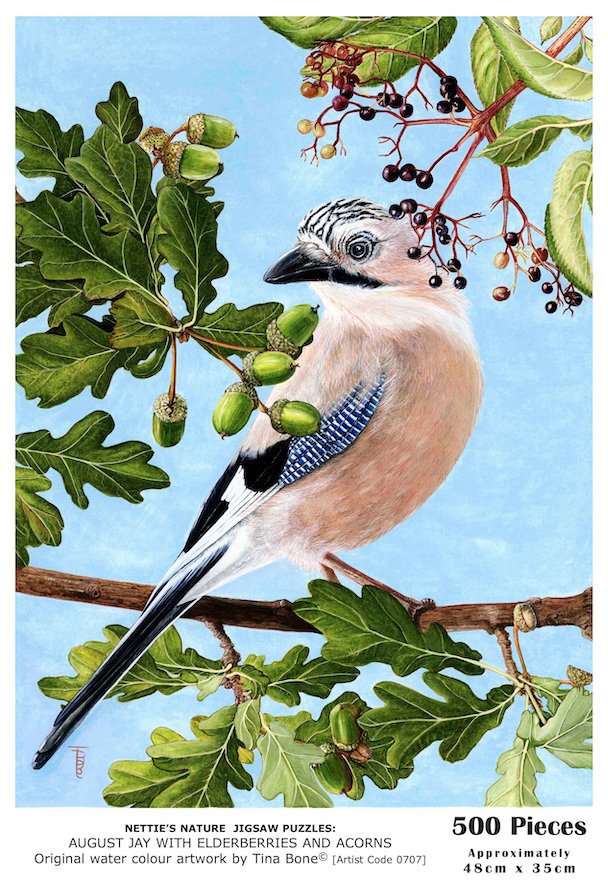
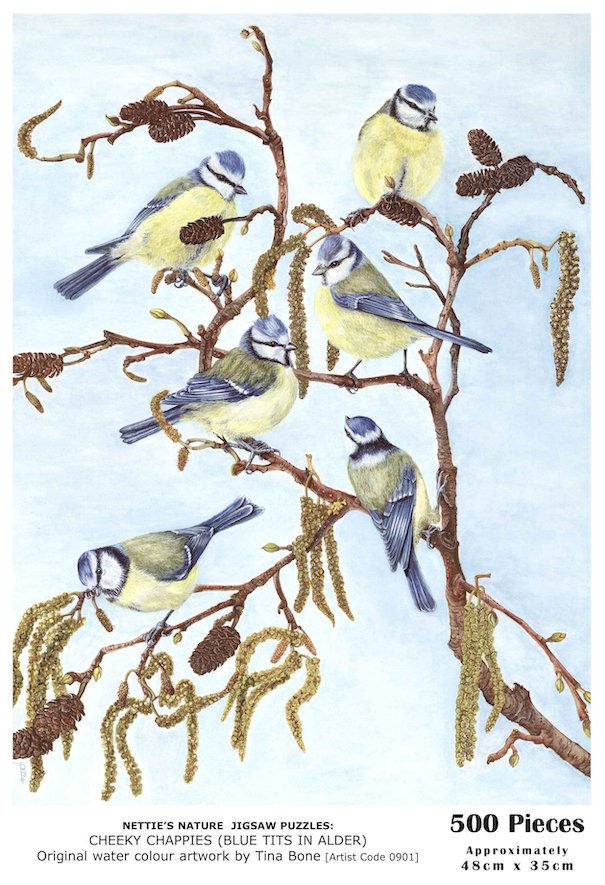
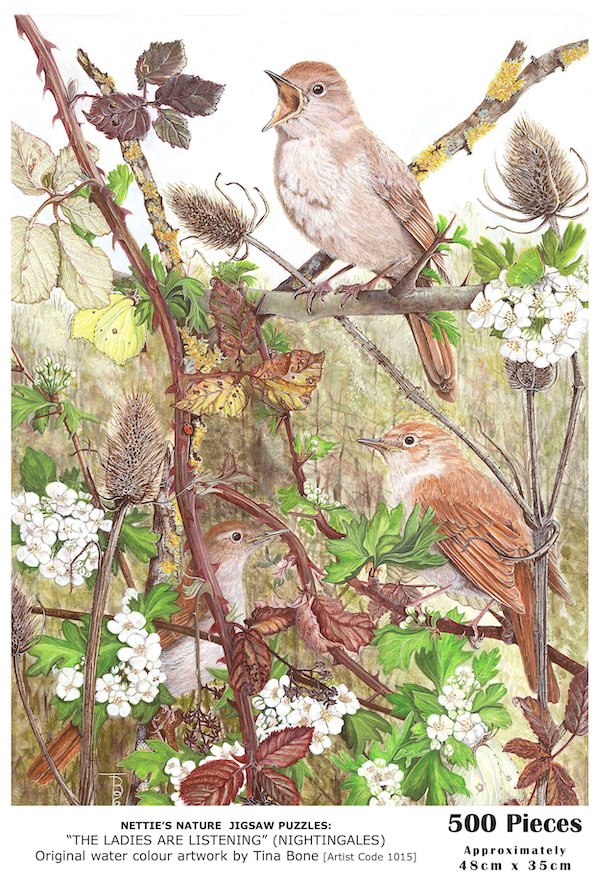
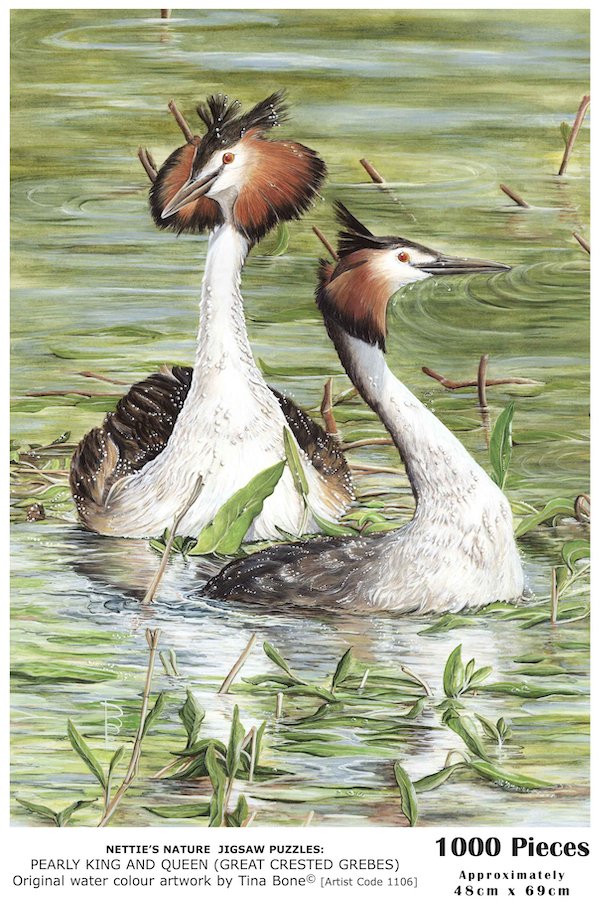
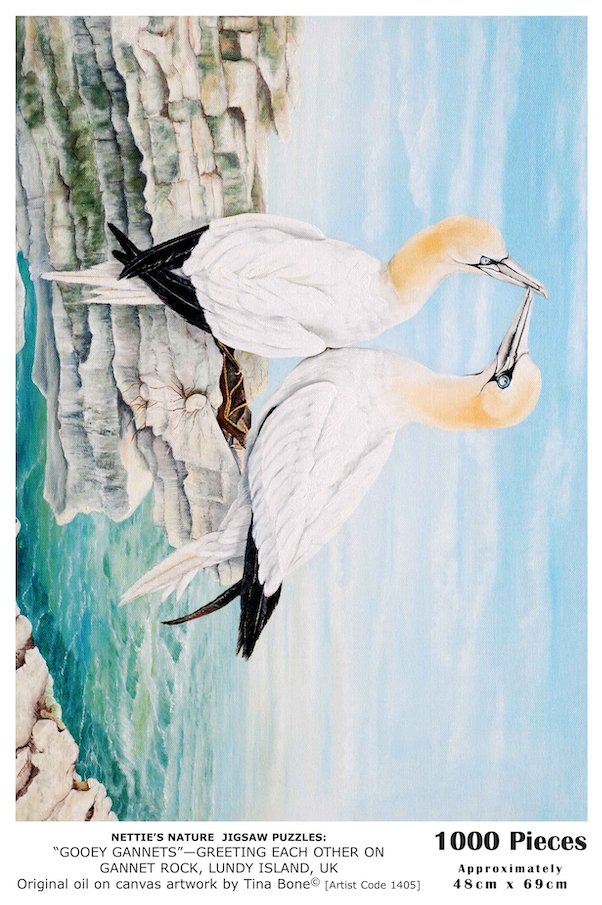
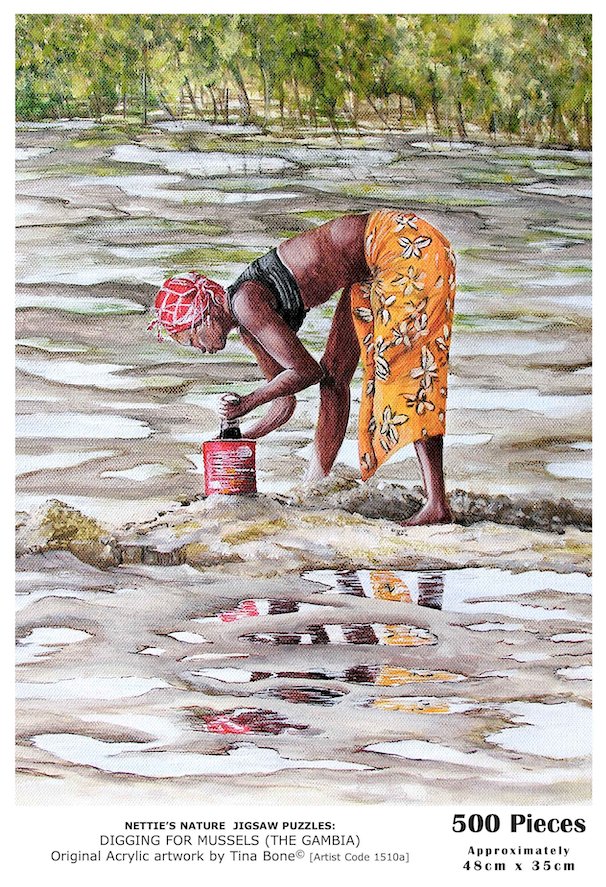
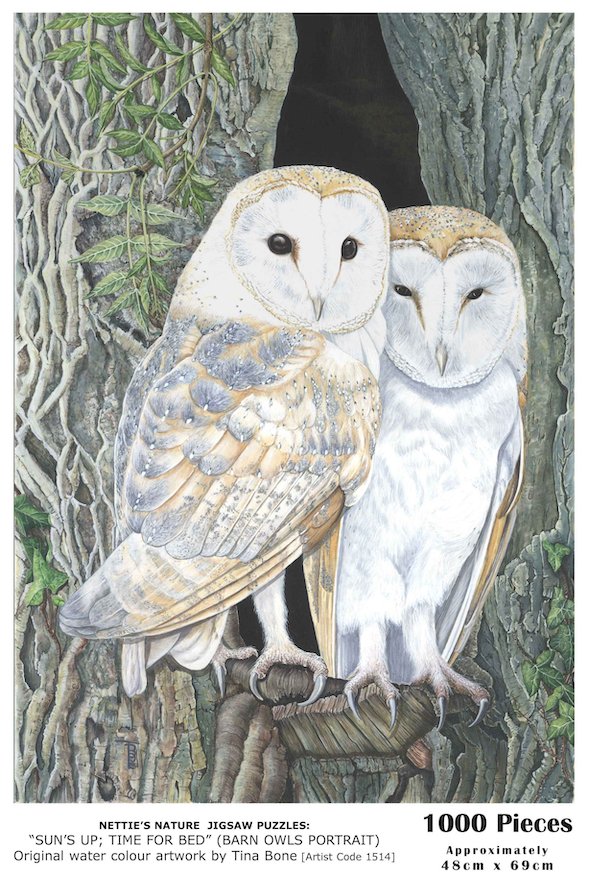
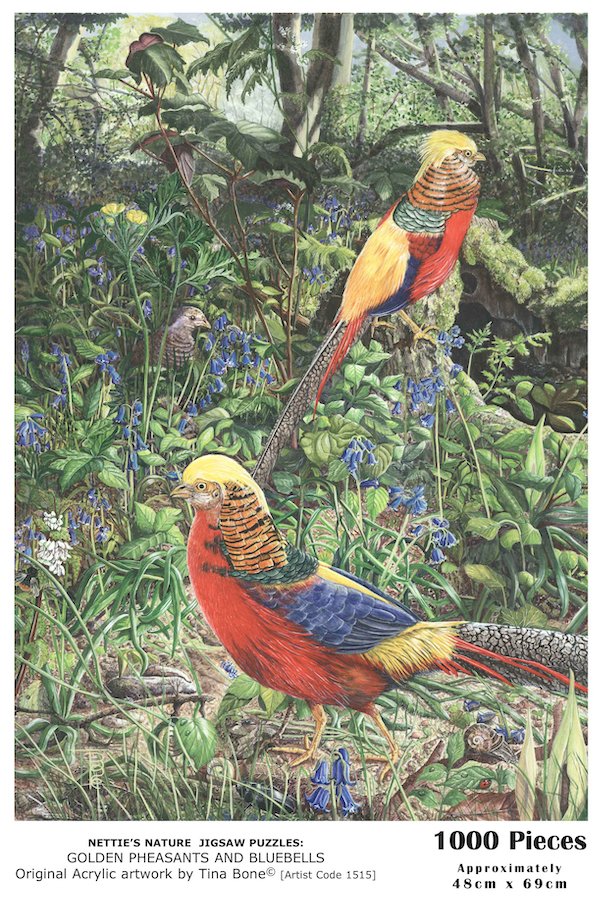
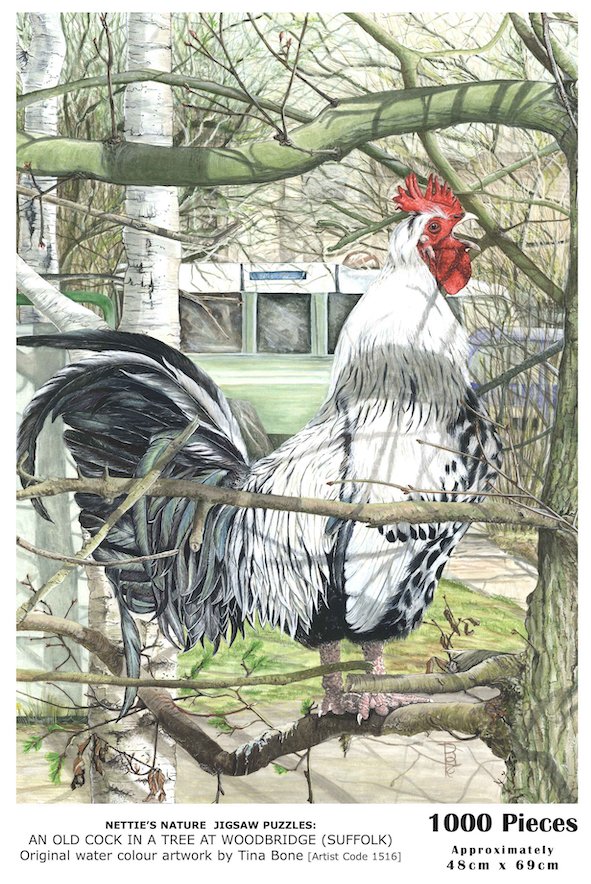
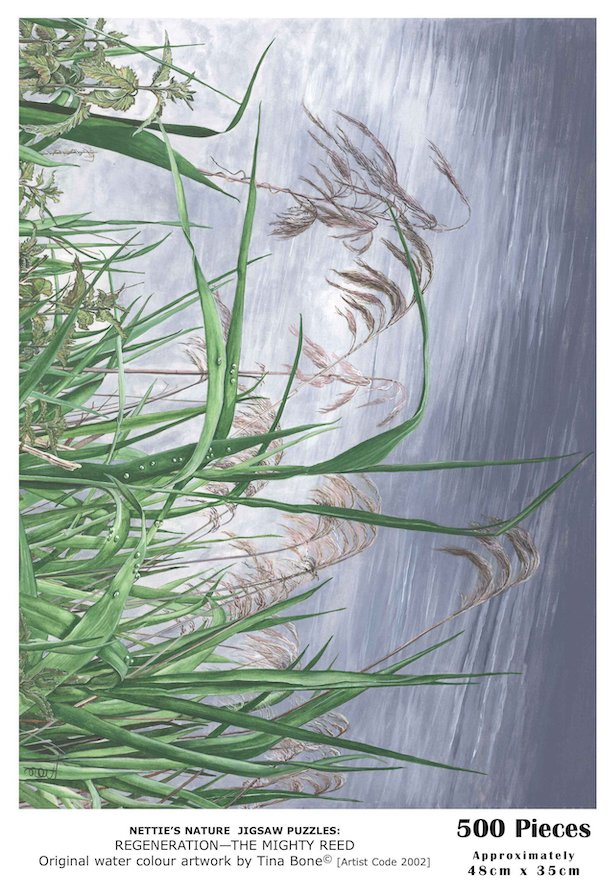
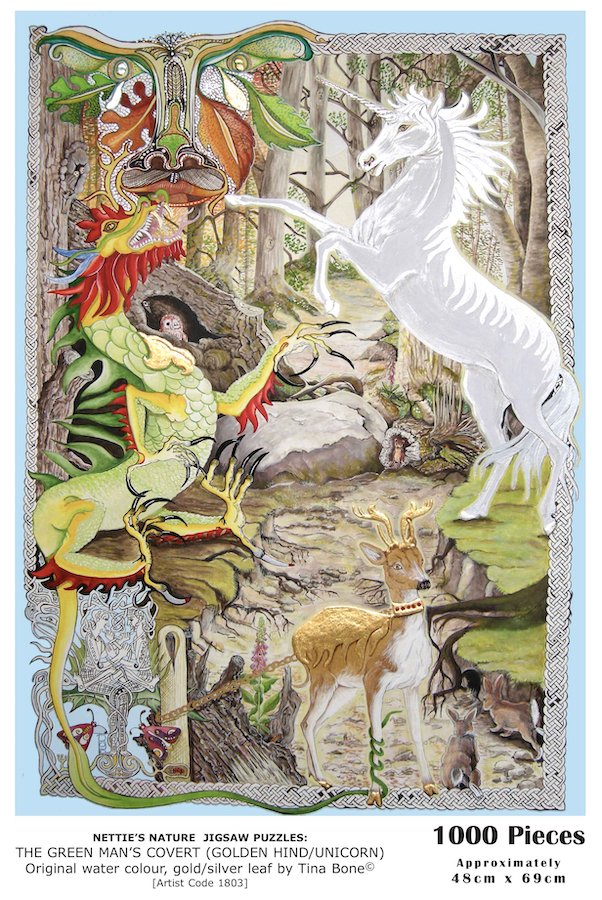
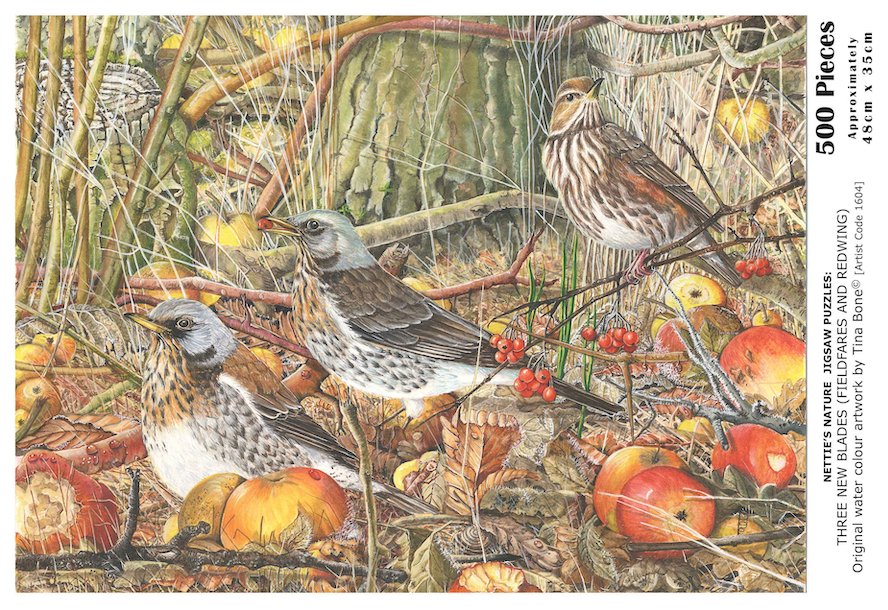
JHG Jigsaws Ltd is one of the UK’s few remaining jigsaw puzzle manufactures. Based at our converted farm premises in the beautiful countryside of Dorset, we now manufacture a wide range of jigsaw puzzles. “Made in England” on the boxes means just that, and we use materials that are as eco friendly as we can find. Our puzzle board is made from recycled card as are our puzzle boxes. The paper for the print is FSC certified and our Glue is starch based, made especially for us. Where possible we try to “Buy British” for the other components of our puzzles. This, we hope, all helps to reduce our carbon footprint.
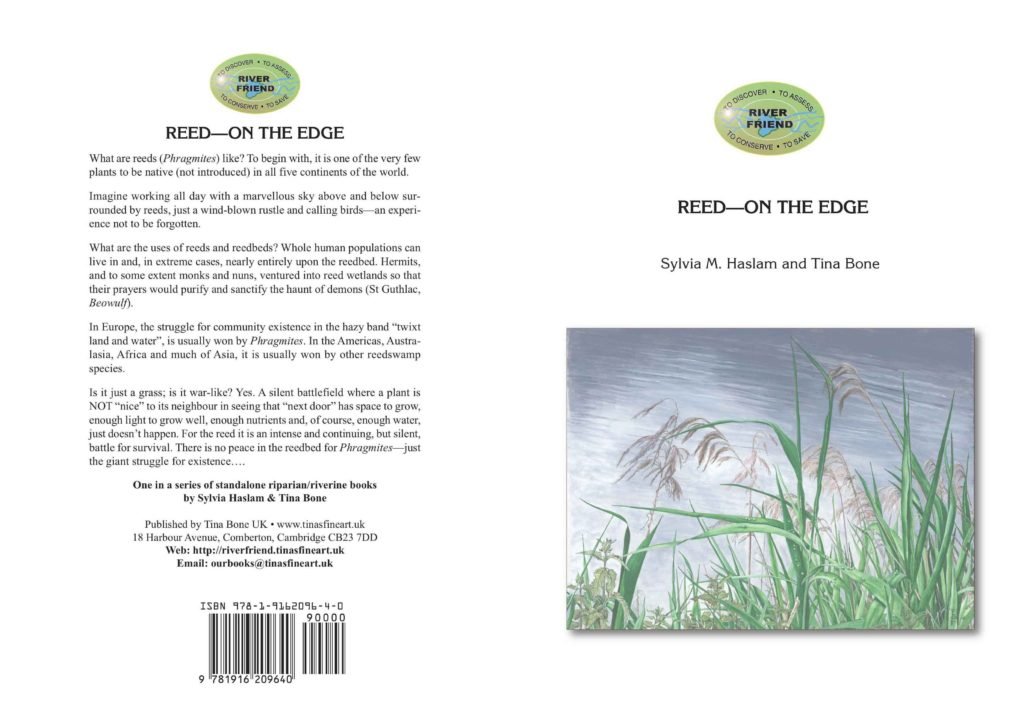
The fifth little book all about the Reed water plant (Phragmites australis), to be published by River Friend, is due out soon. Here is a taster, and please watch out for it on Amazon and other famous bookshops.
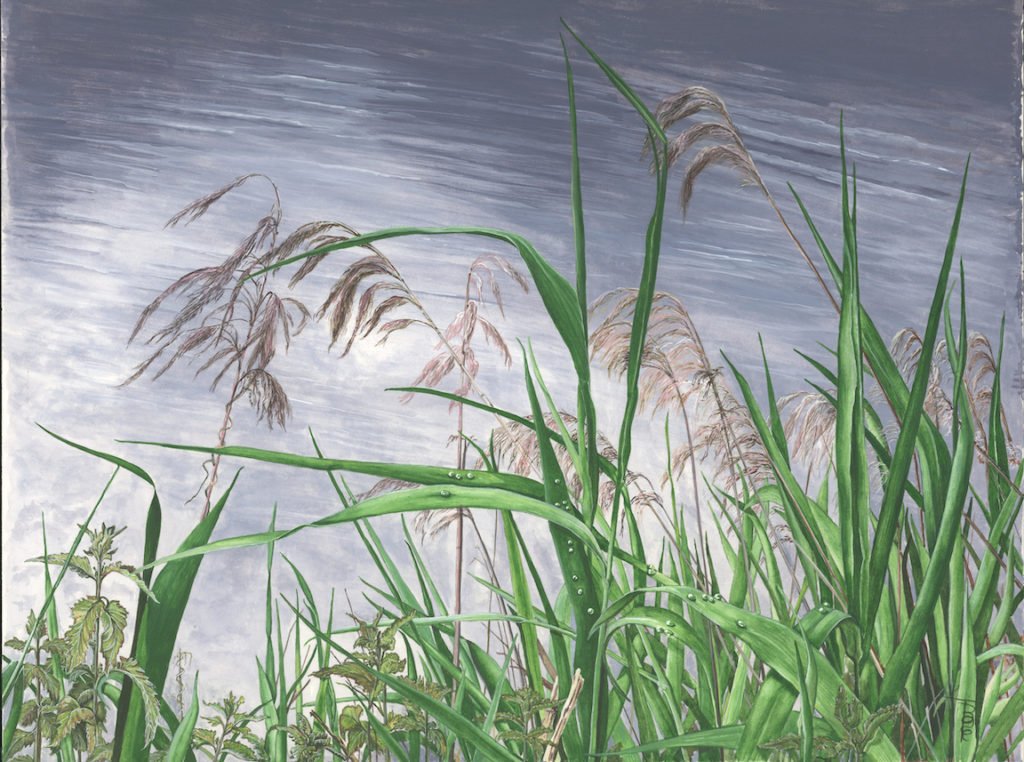
What are reeds (Phragmites) like? To begin with, it is one of the very few plants to be native (not introduced) in all five continents of the world.
Imagine working all day with a marvellous sky above and below surrounded by reeds, just a wind-blown rustle and calling birds—an experience not to be forgotten.
What are the uses of reeds and reedbeds? Whole human populations can live in and, in extreme cases, nearly entirely upon the reedbed. Hermits, and to some extent monks and nuns, ventured into reed wetlands so that their prayers would purify and sanctify the haunt of demons (St Guthlac, Beowulf).
In Europe, the struggle for community existence in the hazy band “twixt land and water”, is usually won by Phragmites. In the Americas, Australasia, Africa and much of Asia, it is usually won by other reedswamp species.
Is it just a grass; is it war-like? Yes. A silent battlefield where a plant is NOT “nice” to its neighbour in seeing that “next door” has space to grow, enough light to grow well, enough nutrients and, of course, enough water, just doesn’t happen. For the reed it is an intense and continuing, but silent, battle for survival. There is no peace in the reedbed for Phragmites—just the giant struggle for existence….
CONTENTS
Introduction
Boring?
Belligerent?
Brilliant?
Uses
Different wetland species and how they interact
Introduction
Reedswamp into open water (historically common)
Seasonal patterns
Root toxins and short grass
The Scramblers
Management of reedbeds for some (human) use
Ways to Dominate
Plant factors
Outside factors acting in mixed stands
Reedswamp to Trees
Conclusion
References
List of Stand-alone Titles in the River Friend Series
About the Authors
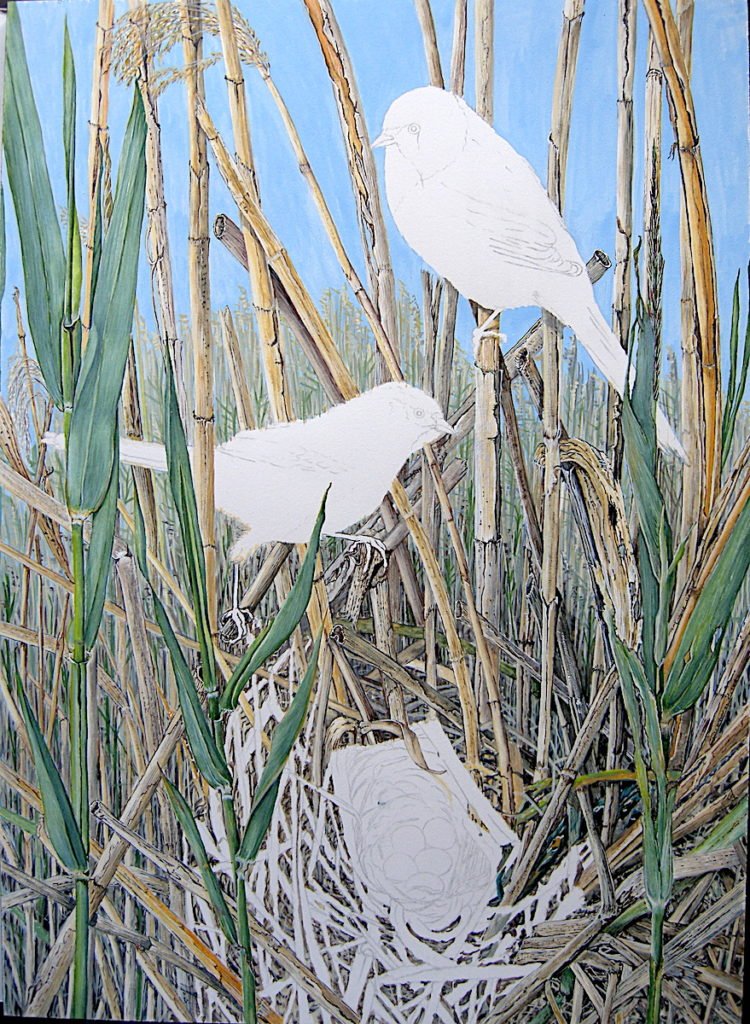
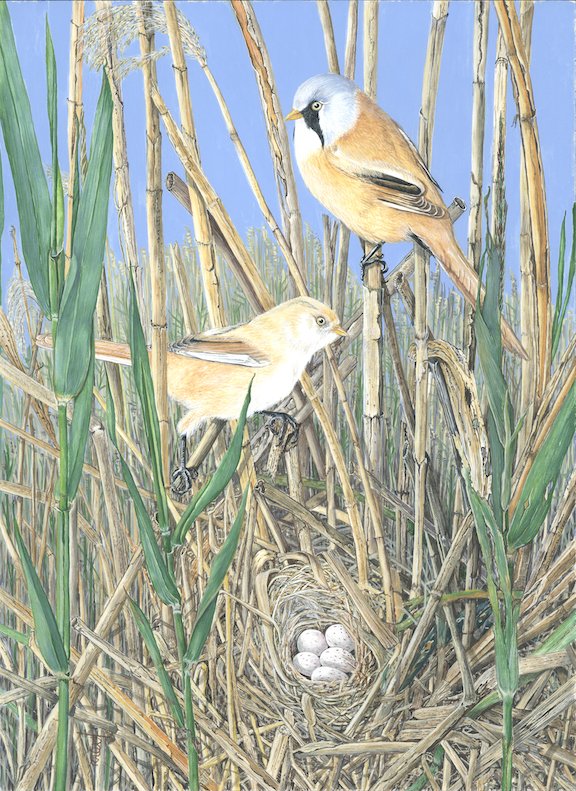
This little painting for Book 5 in the River Friend Series (REED: ON THE EDGE) is going along quite nicely. Lots of fiddly bits, which you come to expect with my work, but great fun. It is just so annoying that I take so long to paint something!
Here is the latest progress picture: