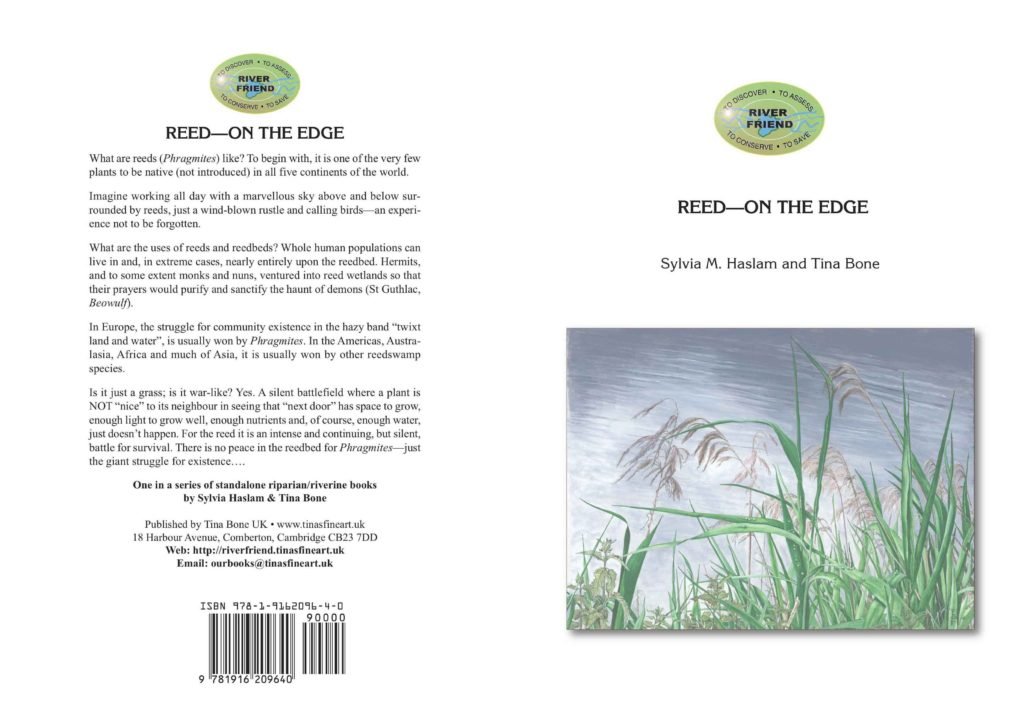
Extremely pleased to be part of this online exhibition. Do visit if you are able as the diversity of artwork is quite tremendous.
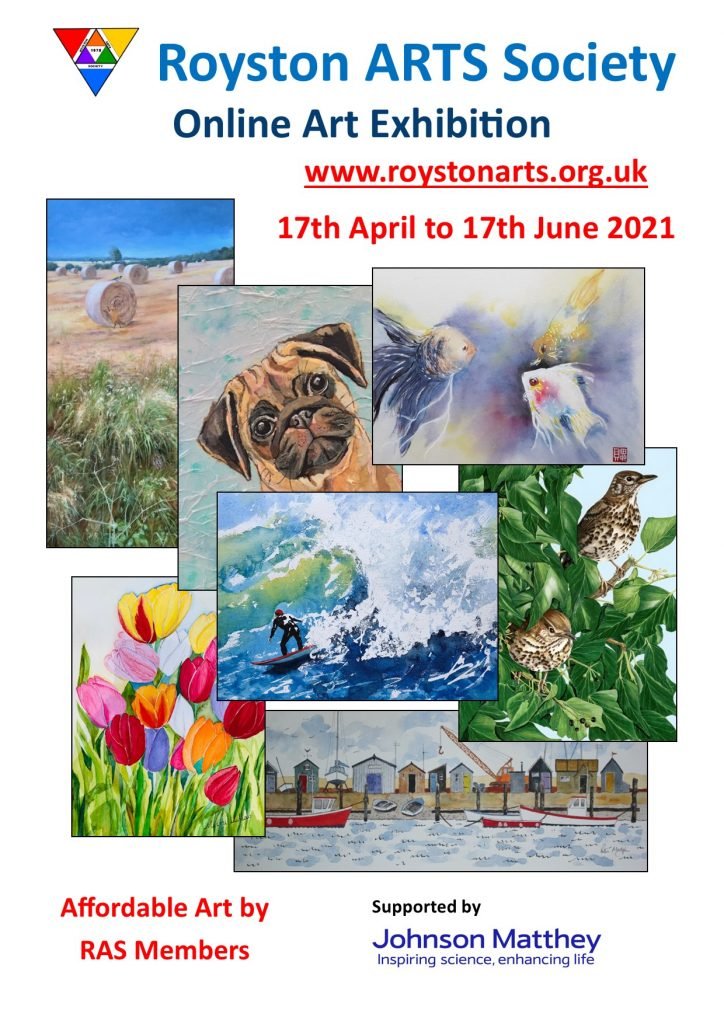
Extremely pleased to be part of this online exhibition. Do visit if you are able as the diversity of artwork is quite tremendous.
I applied again this year to exhibit at the Institute of East Anglian Artists Annual Open Exhibition, but unfortunately I did not receive a lovely email telling me I had made it 🙁
It cost £10 per picture to enter and, like the Association of Women Artists, who have the same procedure, it feels like I have been jilted—paying money for nothing in return. But I suppose how else are these institutions to fund their organisations.
Nothing lost, I now have four pictures which I can put somewhere else. I wish the IEA much success with their exhibition, and to all the artists who did make it, my hearty congratulations.
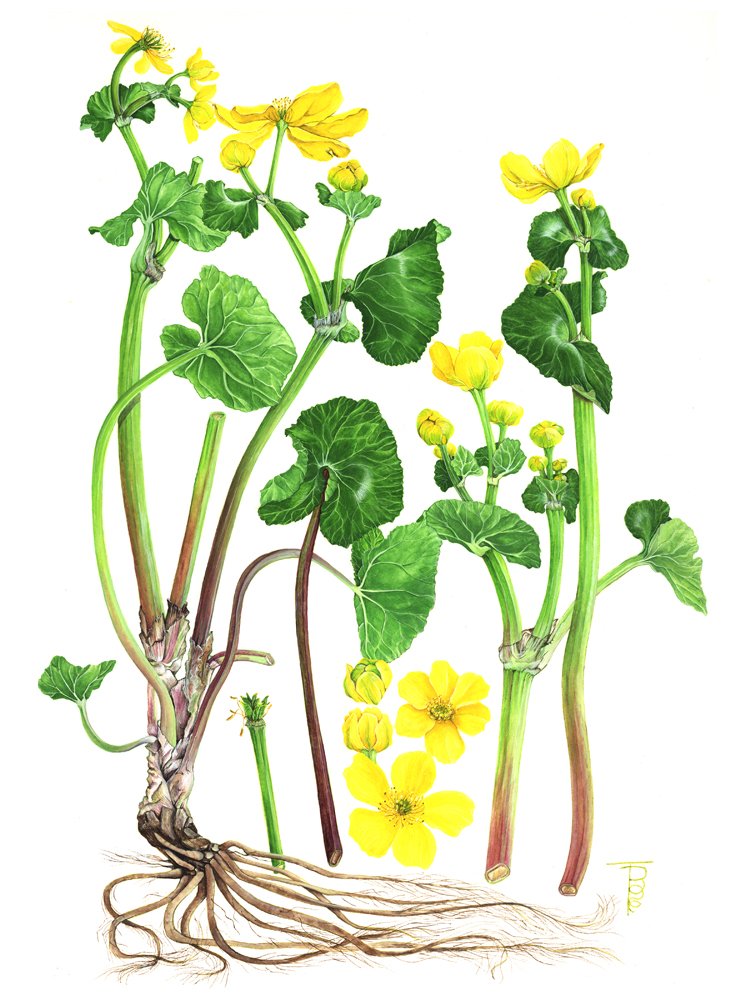
Even though the wind is bitterly rasping, some spring flowers in my little wild garden have remained steadfast and continue to give a good show. (Although the Marsh Marigold, or Kingcup, flowers are all lying flat in the water under ice!)
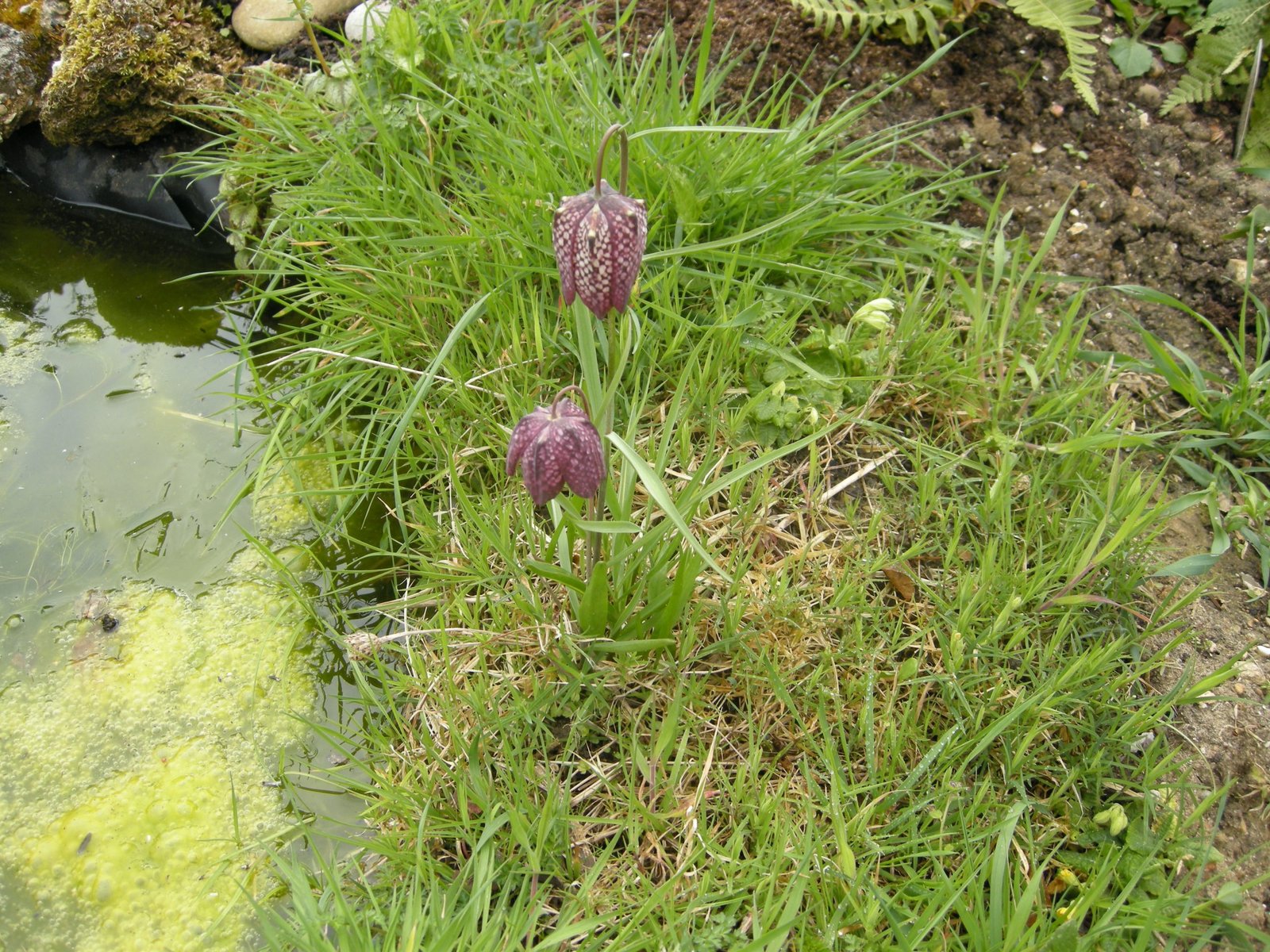
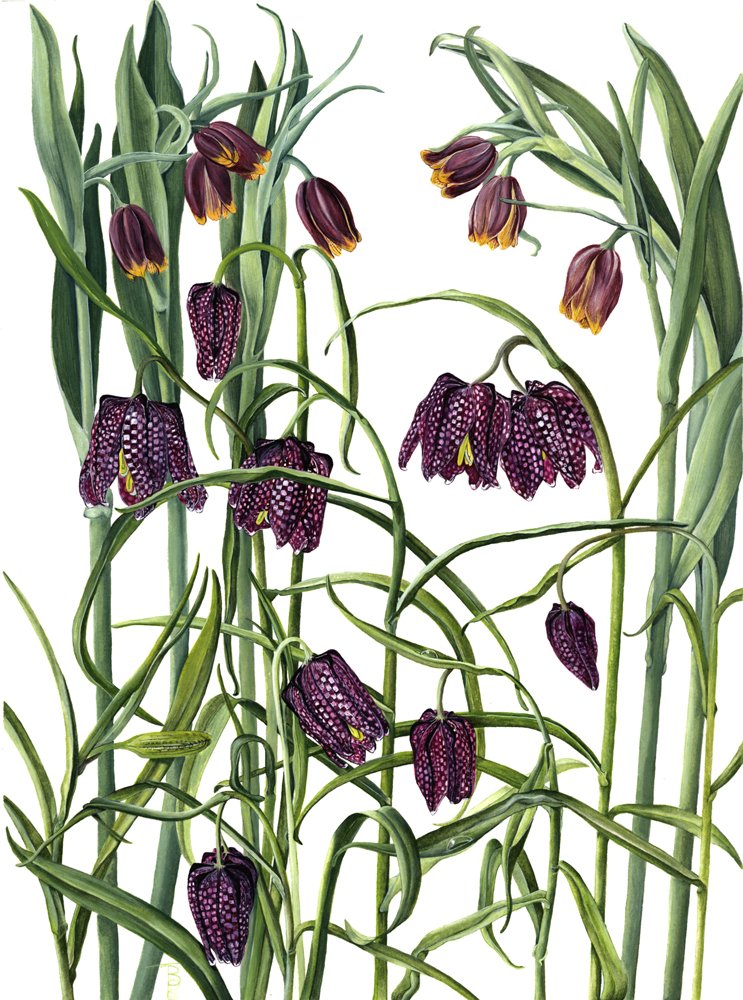
I am not sure why Snakeshead Fritillaries continue to grow in my clayey-space but I am very pleased they do with their beautiful, nodding heads. Here is a little poem I wrote about them:
The RHS so love this flora
They really like its bell-shaped aura
‘Award of Garden Merit’ gained
This hardy native flower named
With checkered pattern all bizarre
From Mauve to white this lovely flower
Grows in grass or under shrubs
Or proudly shows in giant tubs
The purple bells ‘sing’ with the lark
The white ones have a ‘watermark’
Extremely hardy, trouble-free
In splendour grow for all to see (except when the Lily beetle comes!)
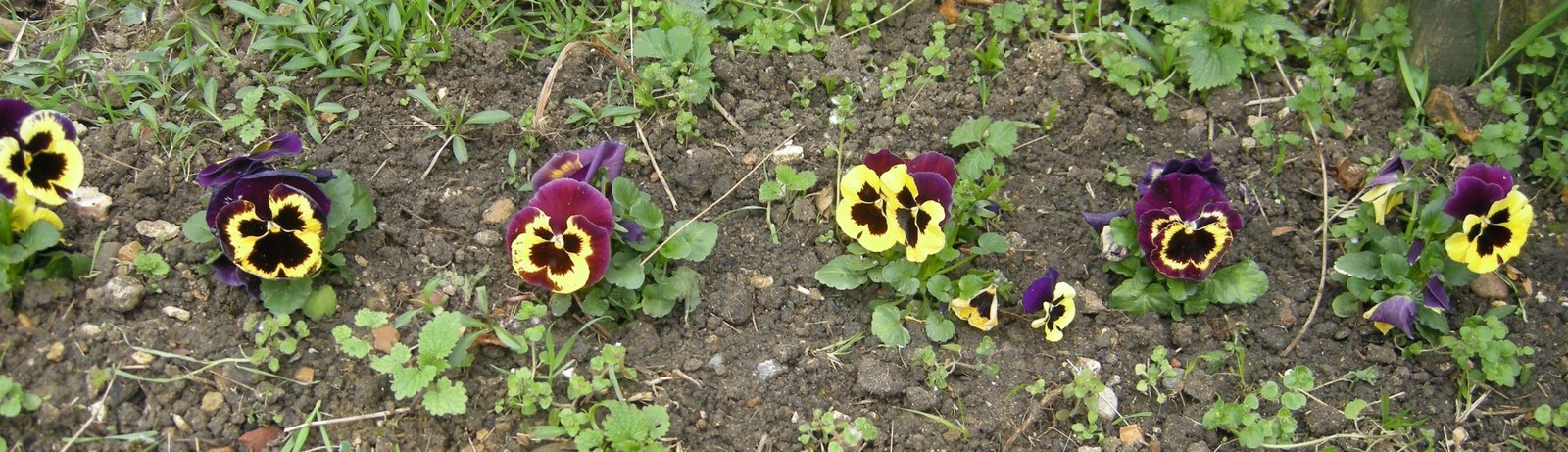
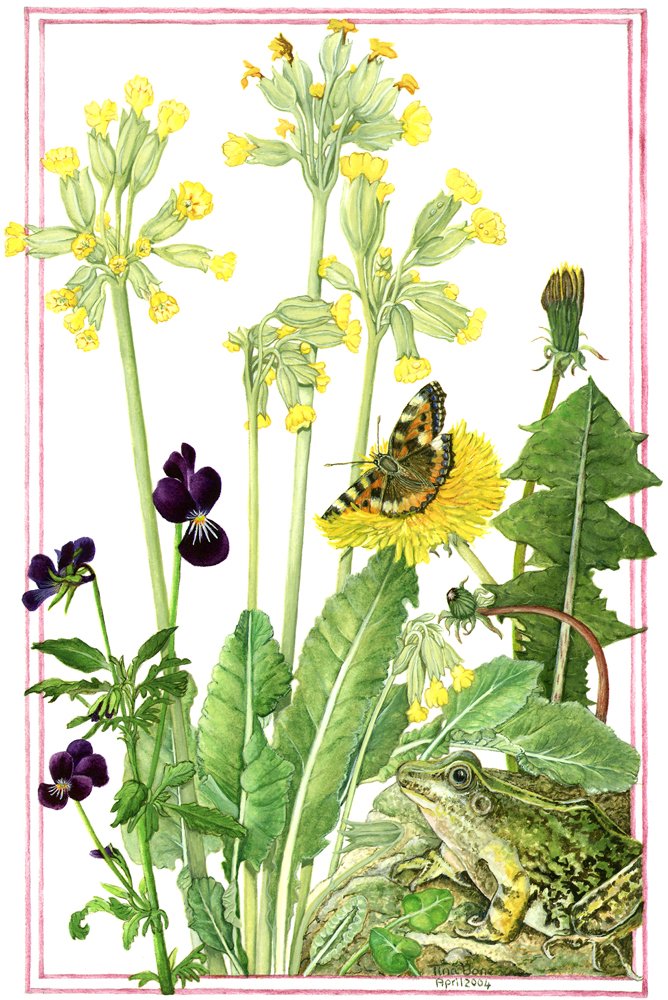
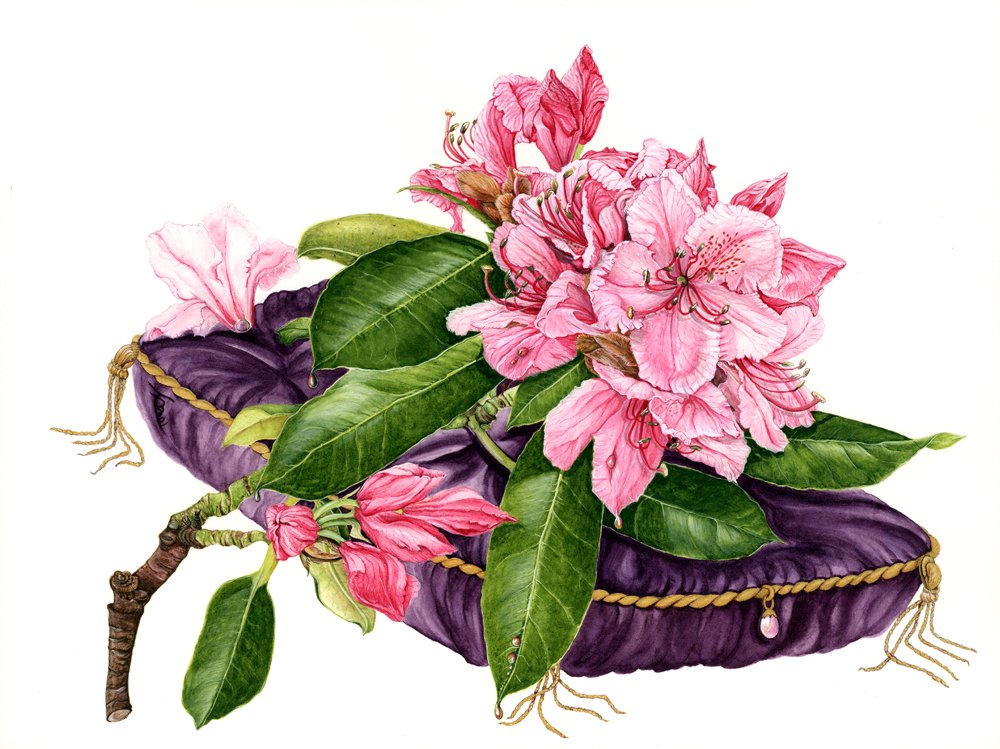
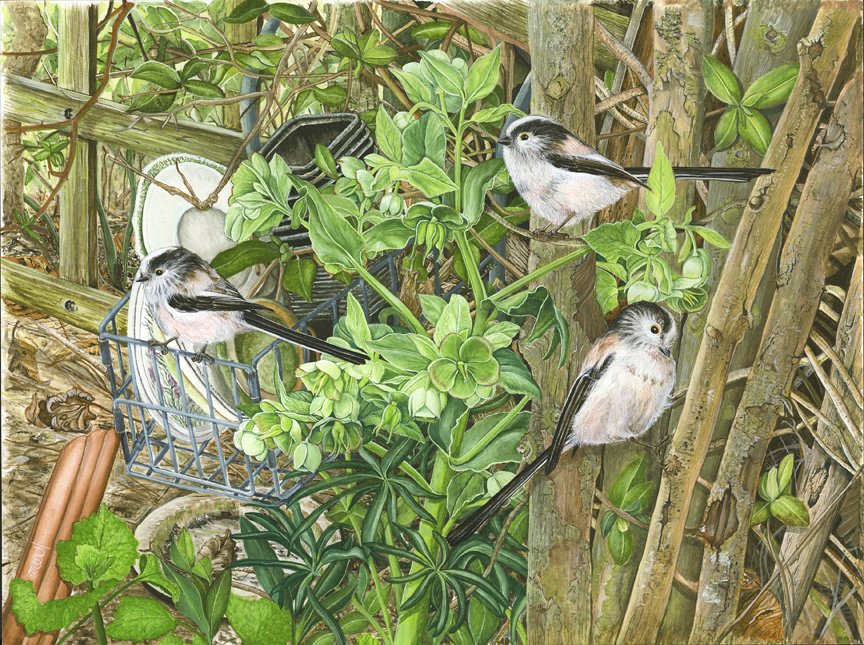
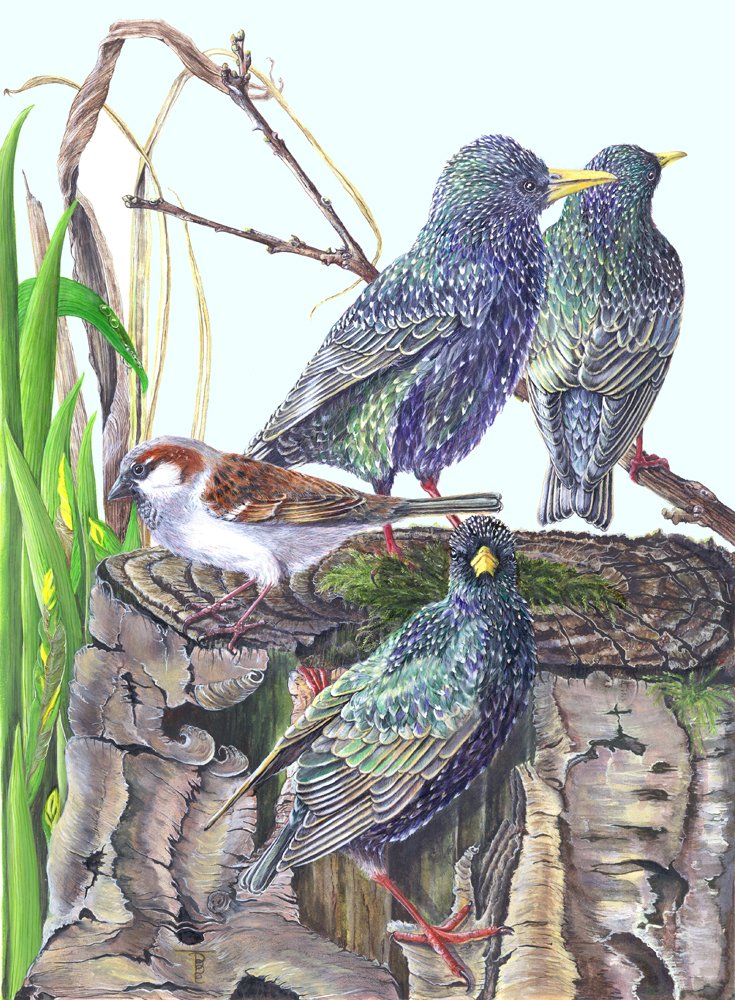
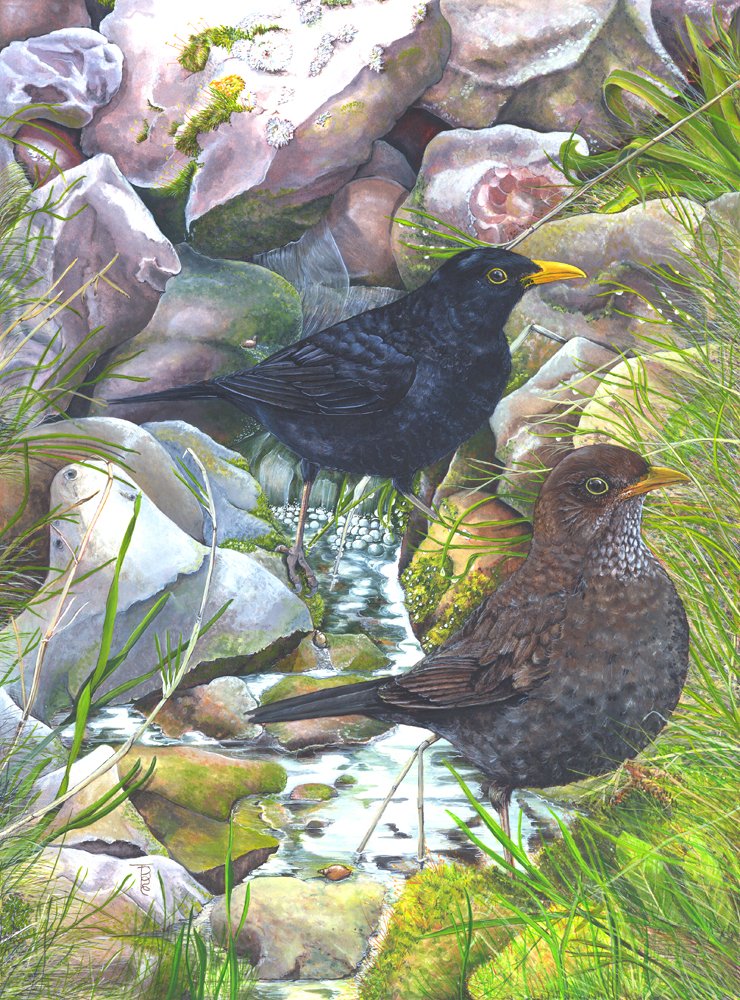
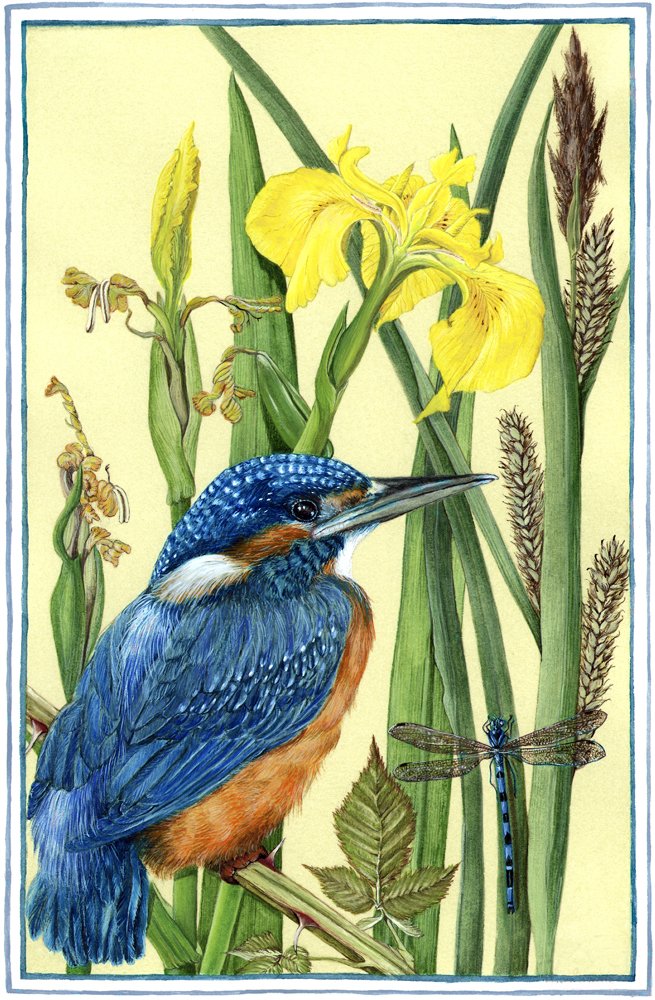
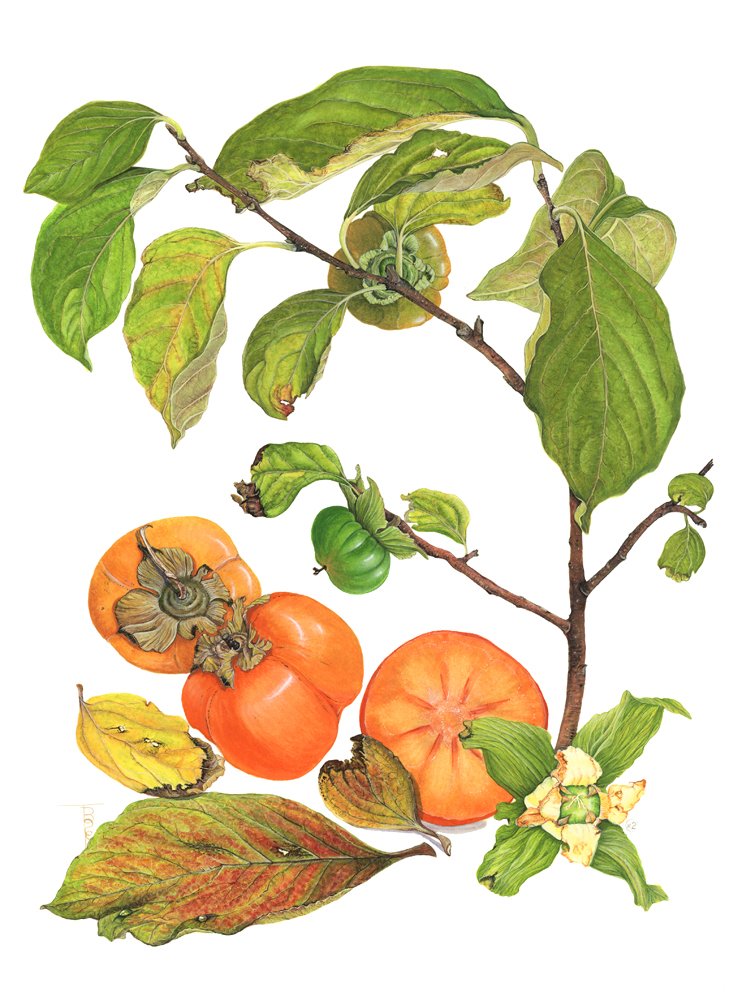
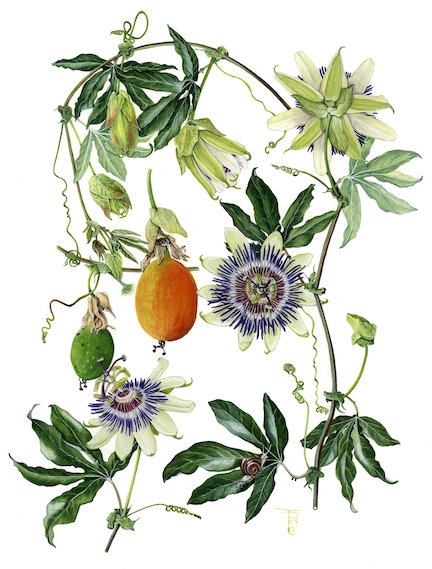
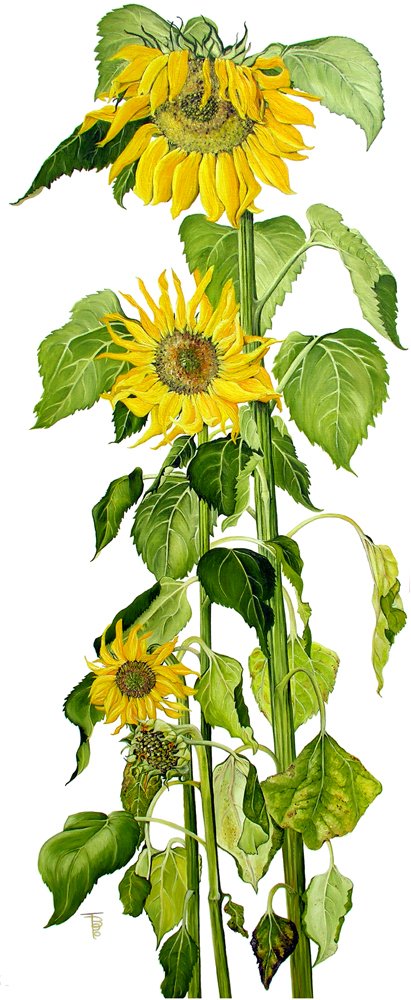
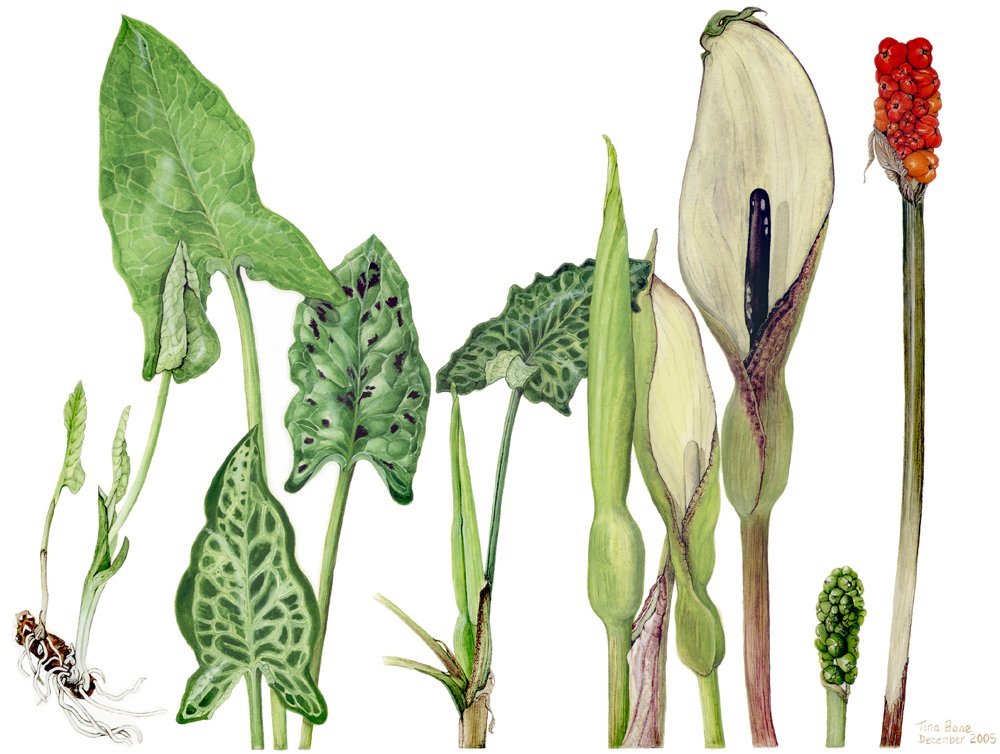
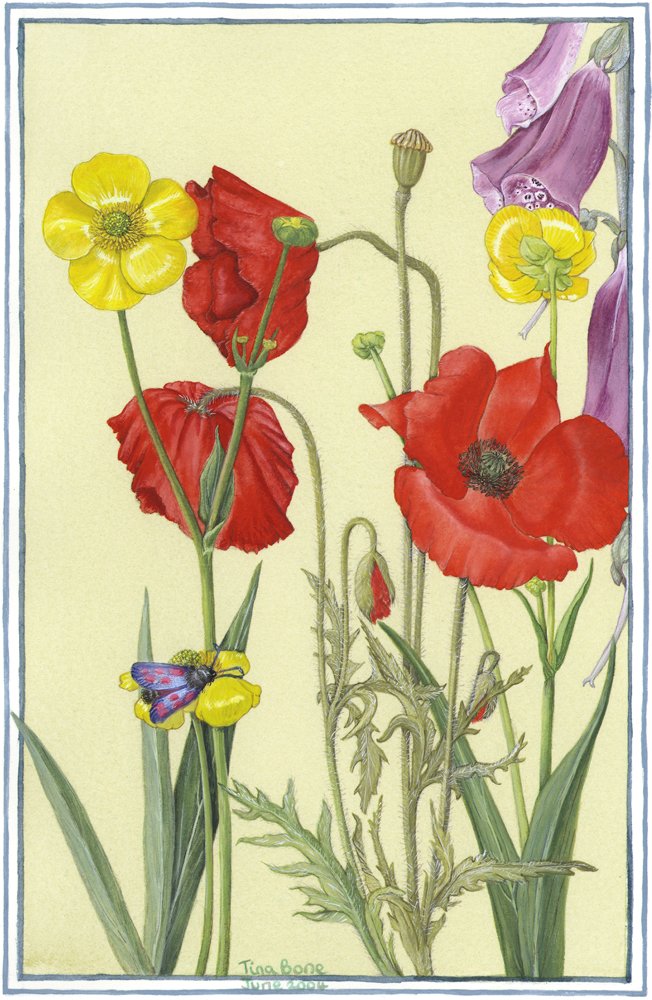
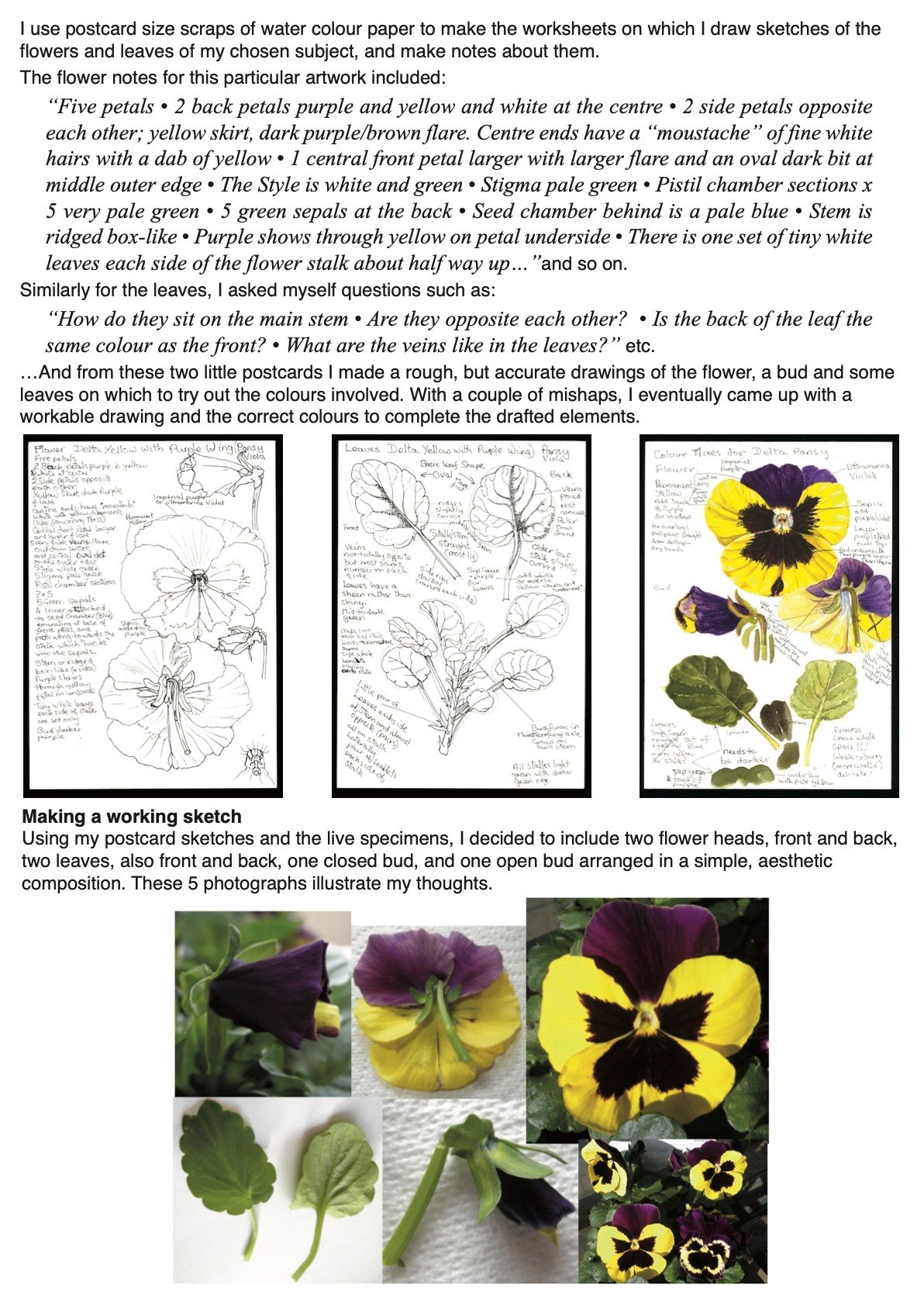
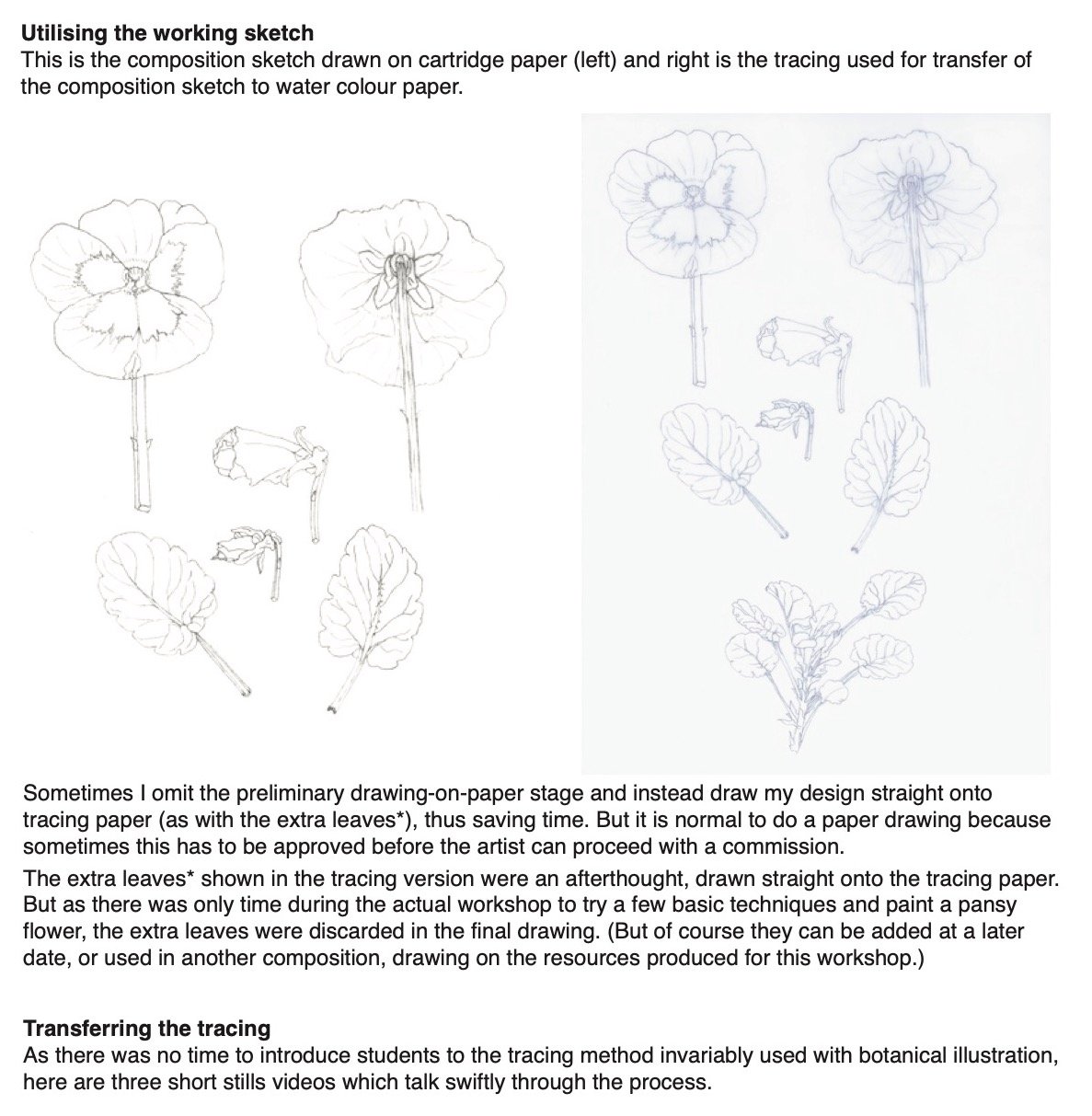
Here are a few garden photographs taken today (7 April 2021), and a few of paintings I have done to do with my little wild garden:
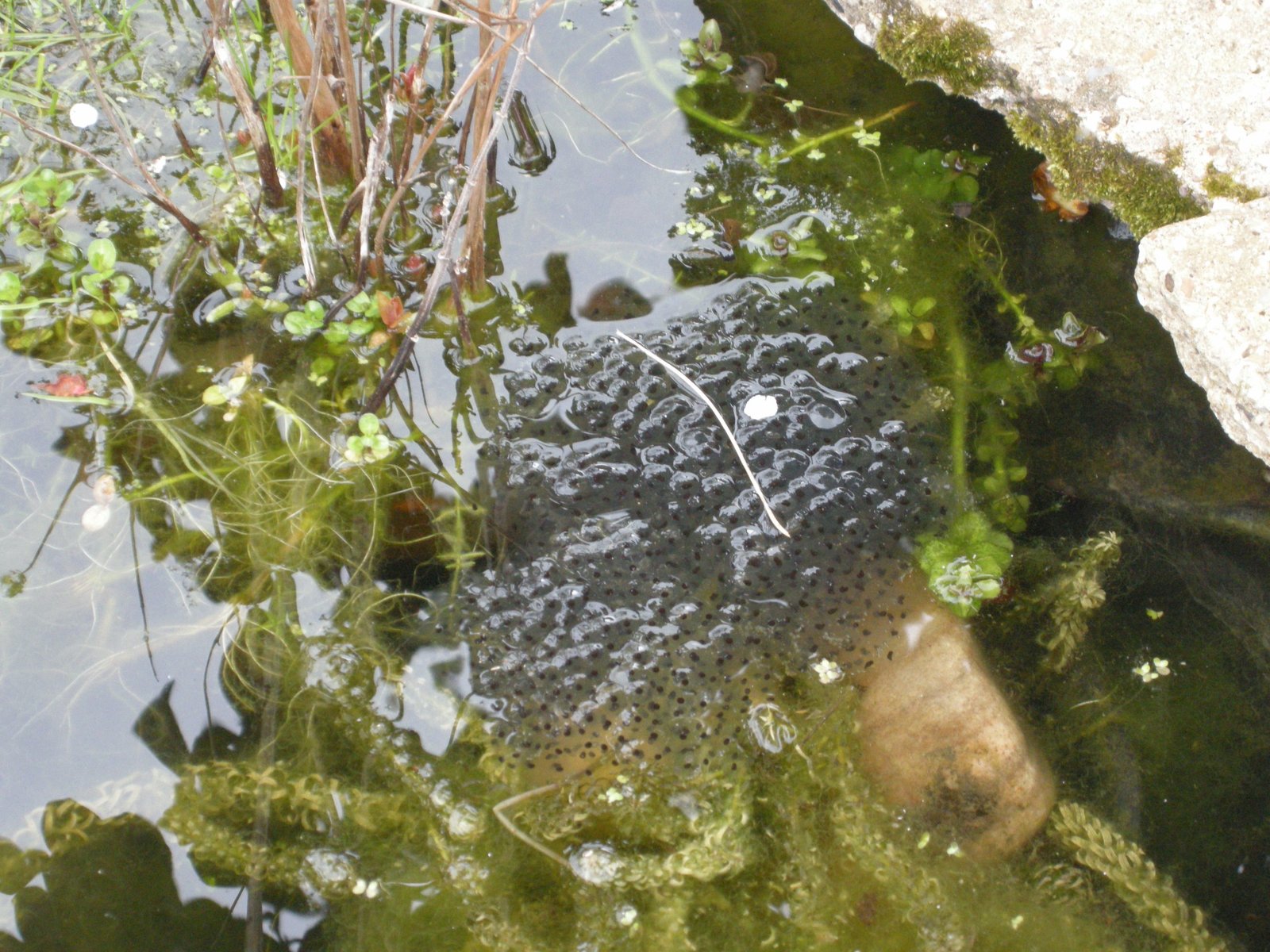
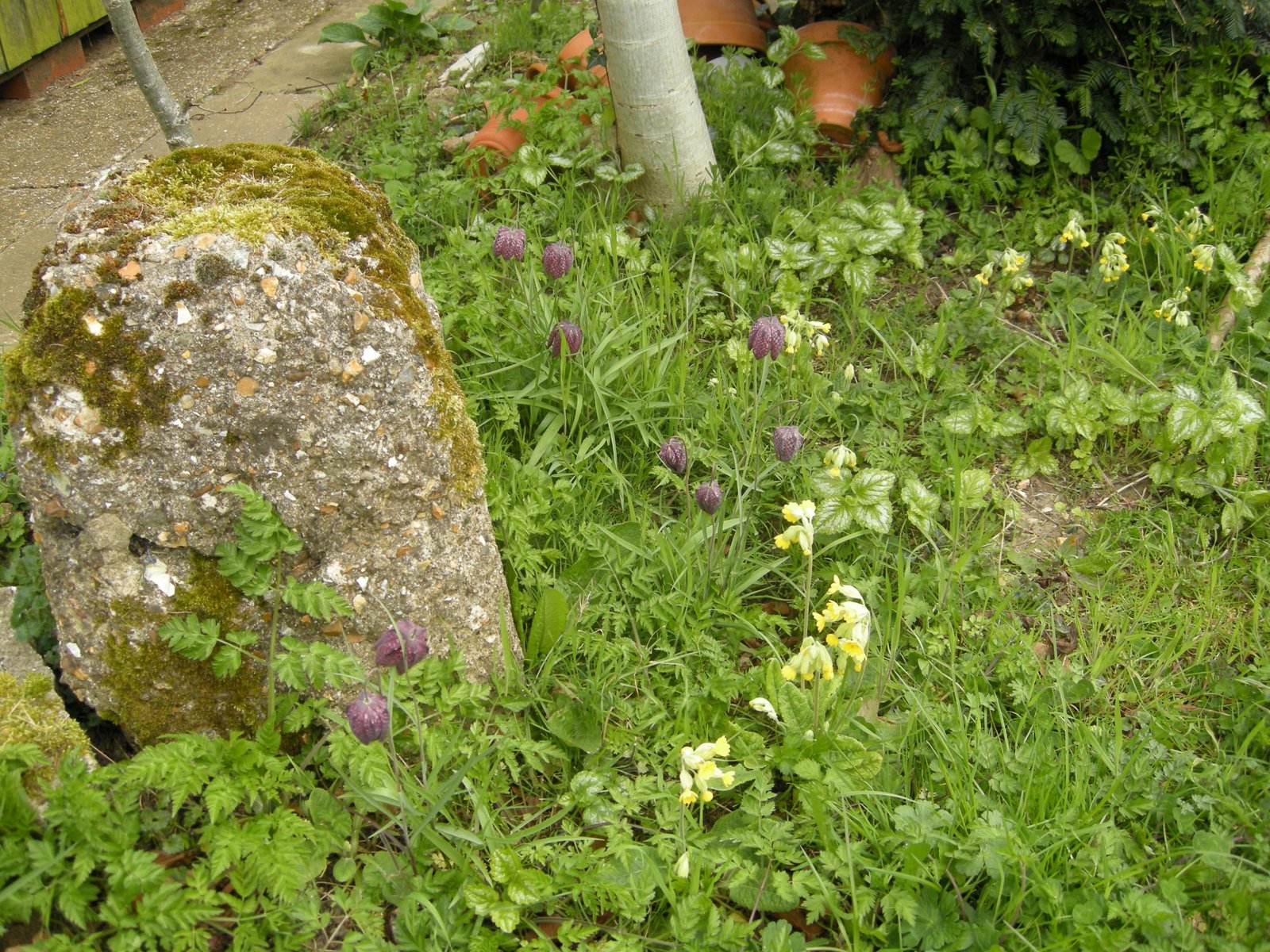
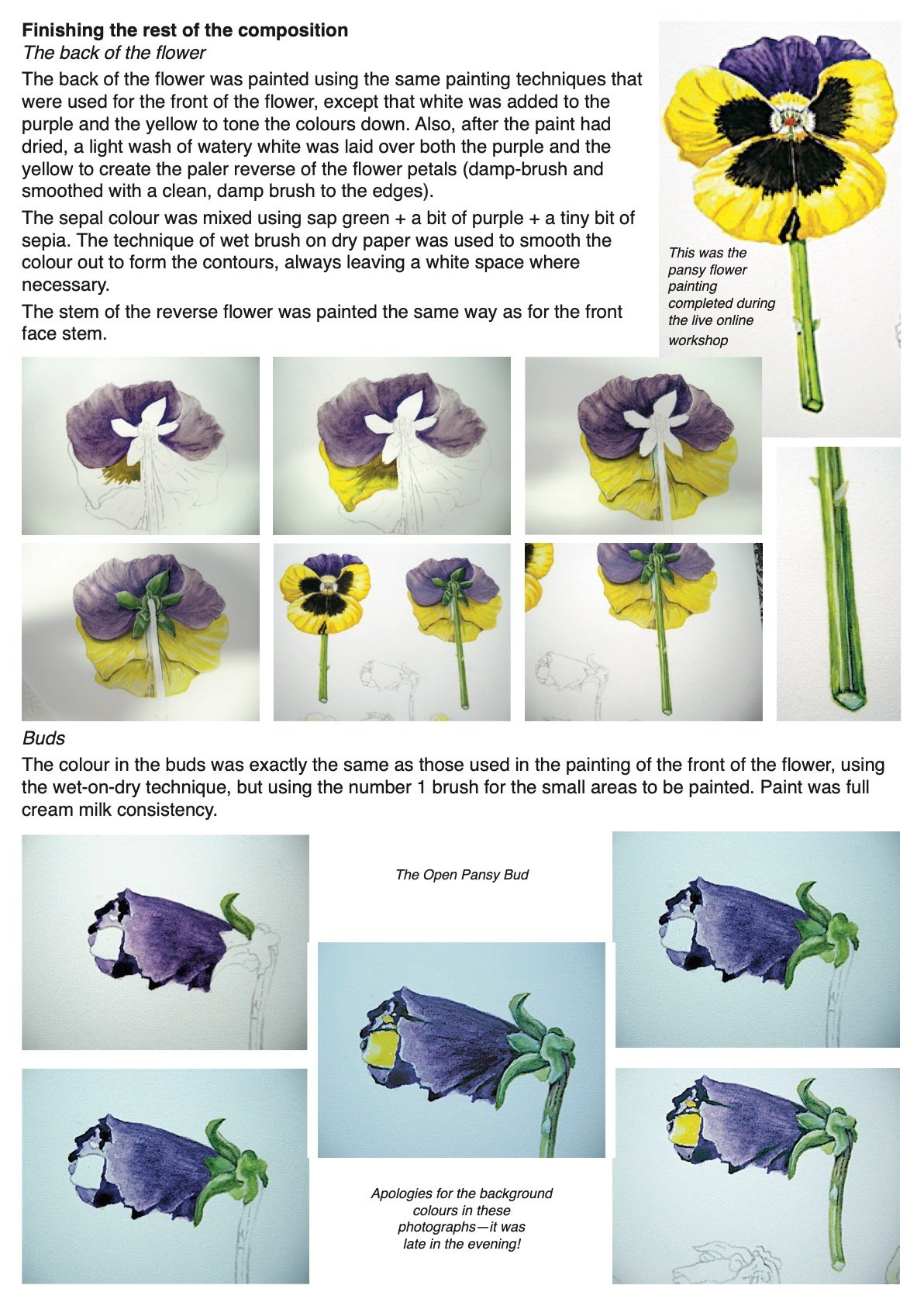
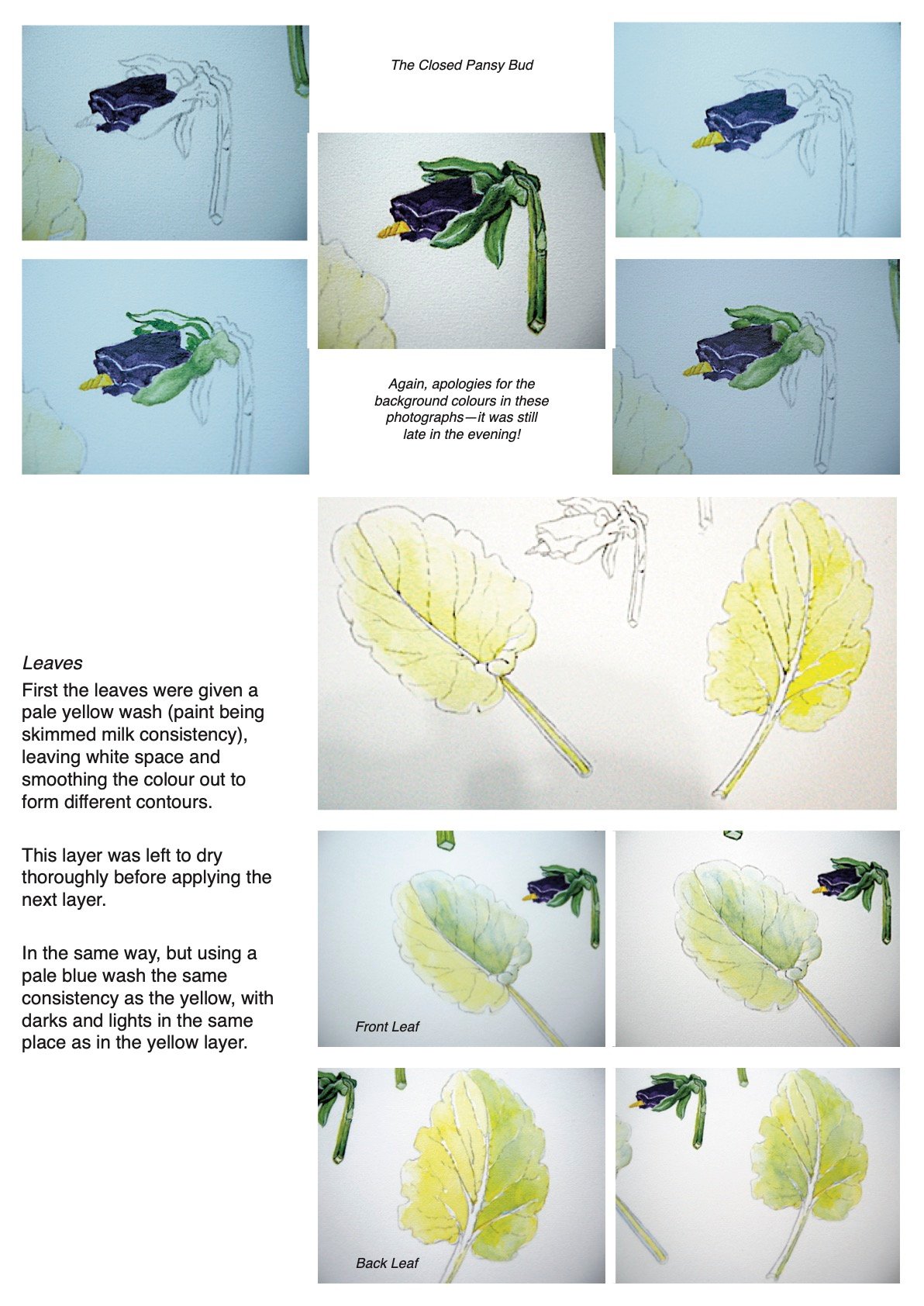
Here are a few little videos to explain:
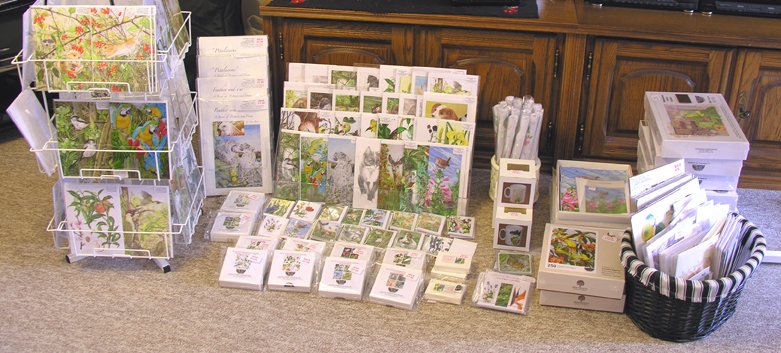
Sometimes we wonder why things do not happen when we expect them to. I realised suddenly this morning that I had received no sales of DL Greetings Cards because I had omitted to press a particular button 30 times when setting up my shop page! Very annoying.
However, all is now well, so if you are looking for unique DL (ordinary envelope size) greetings cards for Easter or any time, you can now order them from my website (£1.50 each): VISIT DL CARDS PAGE
If you like a bigger card, there are also A5 CARDS available (£2.00 each)
And NOTELETS (pack of 6 little cards same design, £3.50 per pack)
And POSTCARDS (packs of 2, same design, £1.00 per pack)
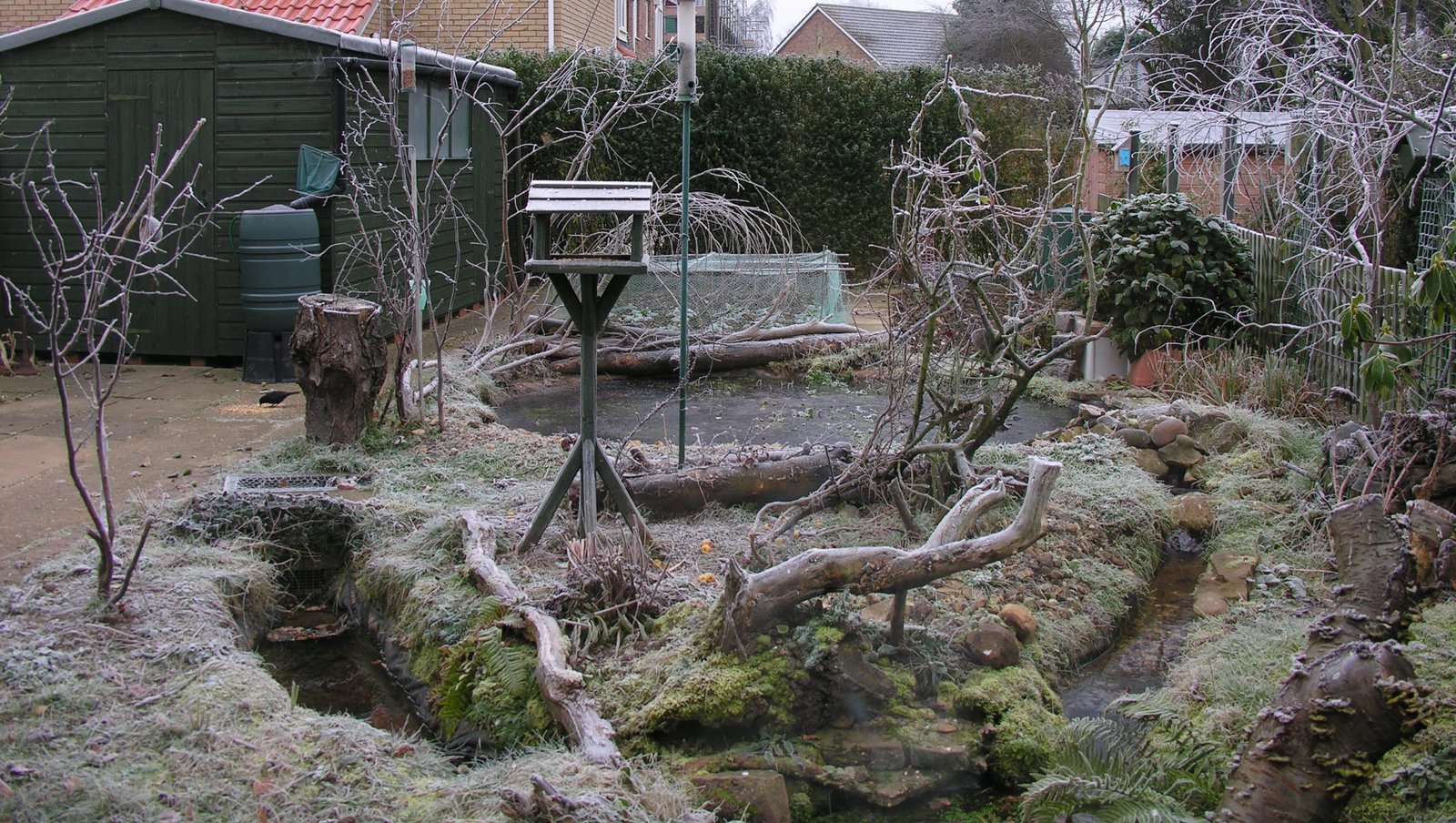
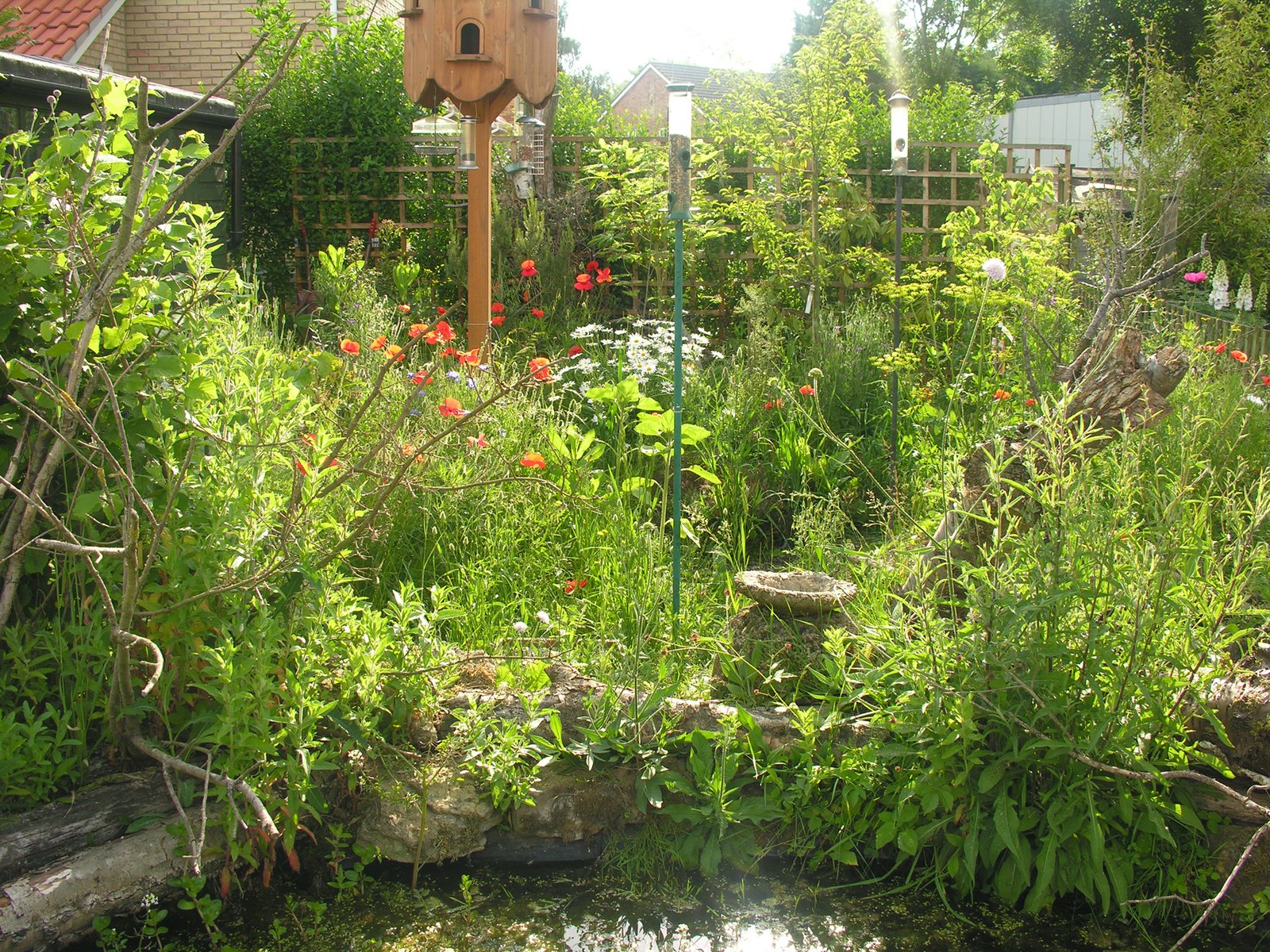
It is not a strange title really. My little wild garden has changed enormously since its original inception when we had myriad visiting animals and birds, as well as hubbie’s vegetable patch beyond. There was also a beautiful privet hedge along the bottom, which, along with mature ash trees, was supposed to be protected from removal, but which have now been removed (housing development). The photograph shows the original wild garden design which flourished with all manner of incumbents. We had hedgehogs, pheasants, muntjac, woodmice, the occasional black rat (which, in full view, chomped the seeds of common vetch), and black and grey squirrels. Birds galore included chaffinches, greenfinches, goldfinches, longtailed tits, coal tits, blue tits, great tits, red poll, starlings, blackbirds, crows, magpies, jackdaws. Amphibians and reptiles: common frog (about 50), two little toads, common newts, grass snake (from next door’s compost heap). We even had a green parakeet visit the bird feeders (view story here).
After the removal of ash trees and the privet hedge by the owner of the new property at the rear of our garden, I planted lots of trees to shield the view of the new buildings which had taken away our beautiful green-space views (and, sadly, for a while my sanity—there is so much heartache and sadness associated with losing nature, when the loss of the trees and hedges which we had enjoyed for over 40 years were very suddenly not there). Planted tree species include: holly (x2), yew, rowan, walnut, oak, cobnut, horse chestnut, larch, Scots pine, crab apple, sweet chestnut, hawthorn, box, gorse, cooking apple, mulberry, and a loquat and olive tree which have since been moved to the front of our house to the Mediterranean herb garden where they are more protected from the cold.
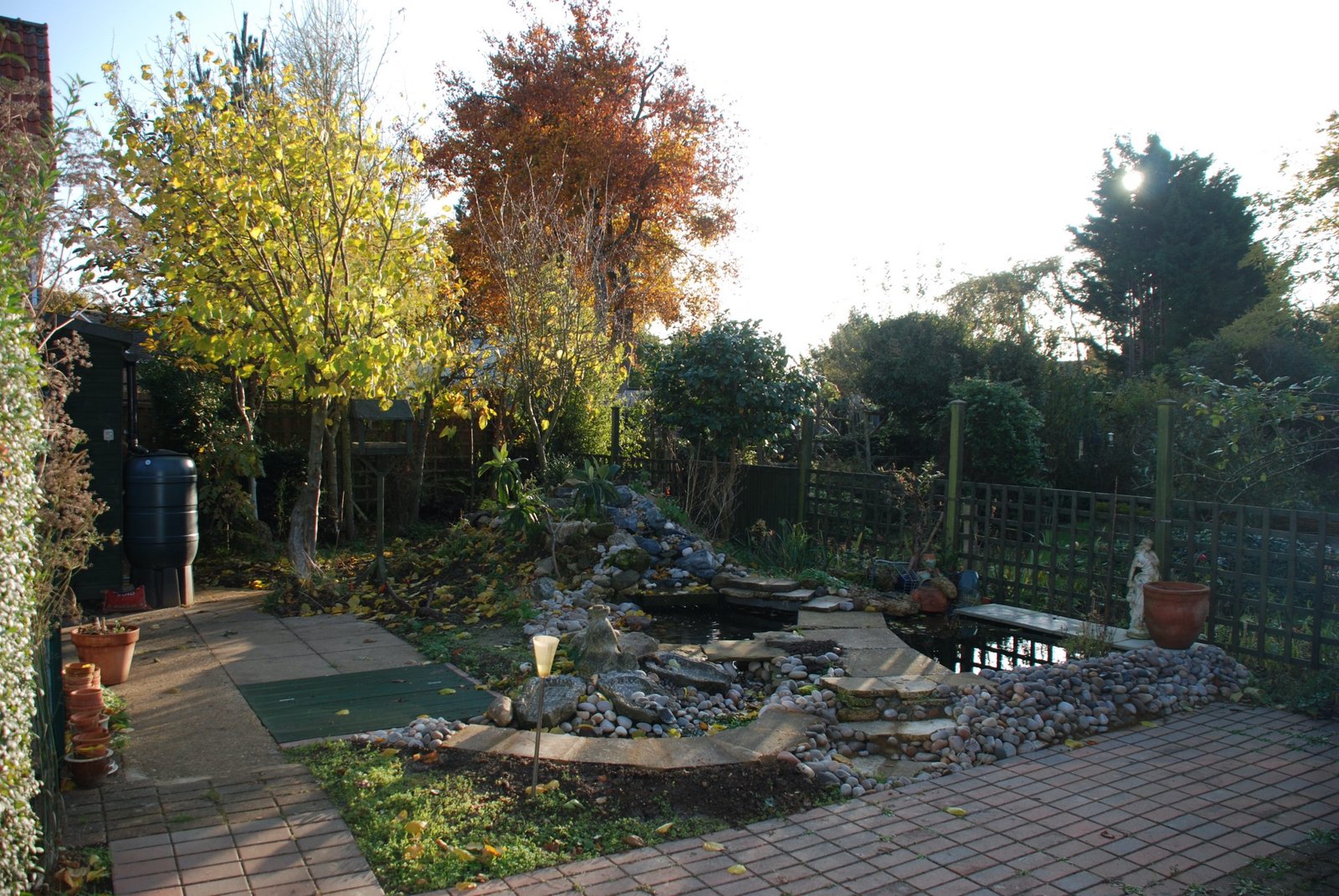
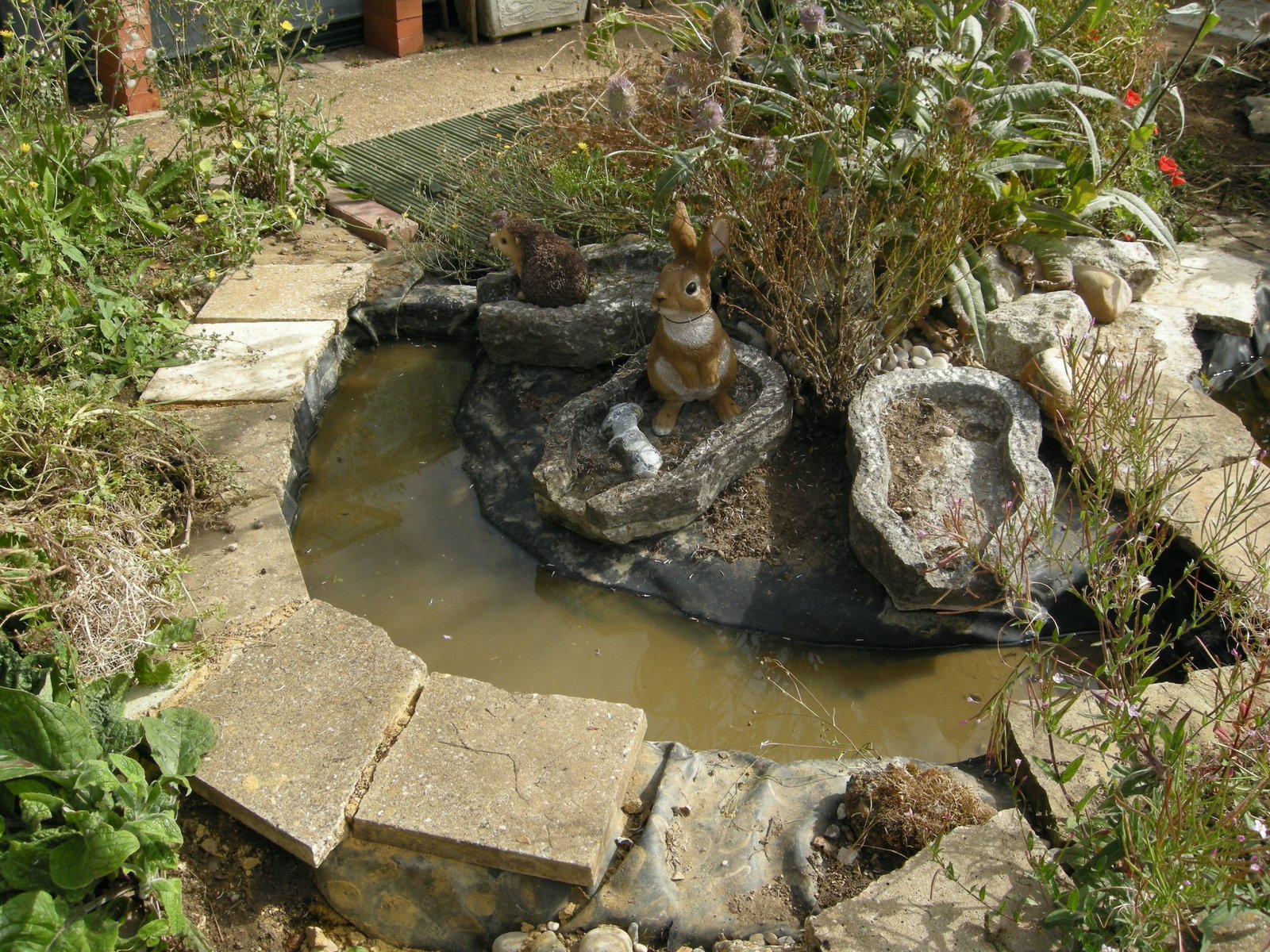
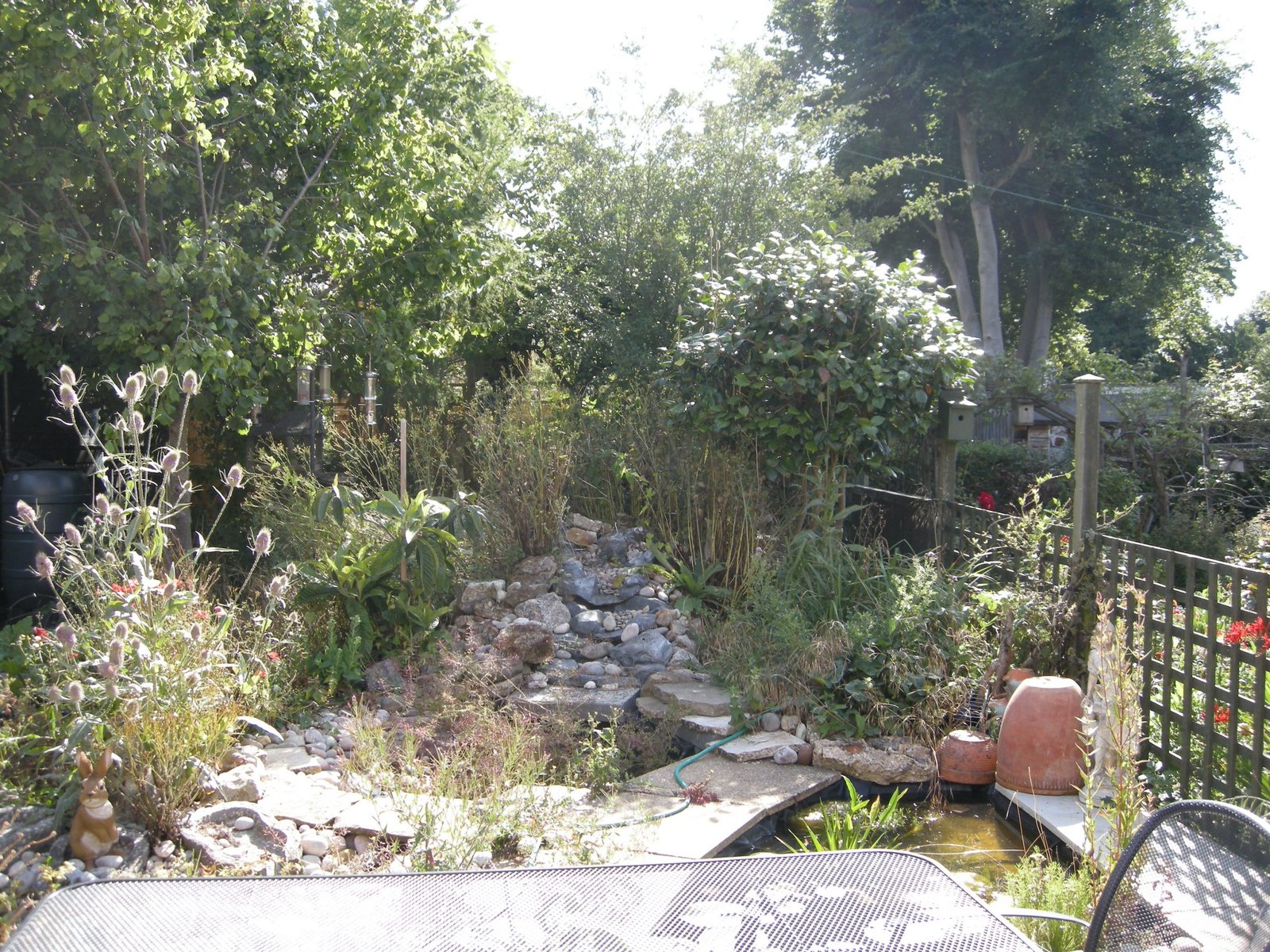
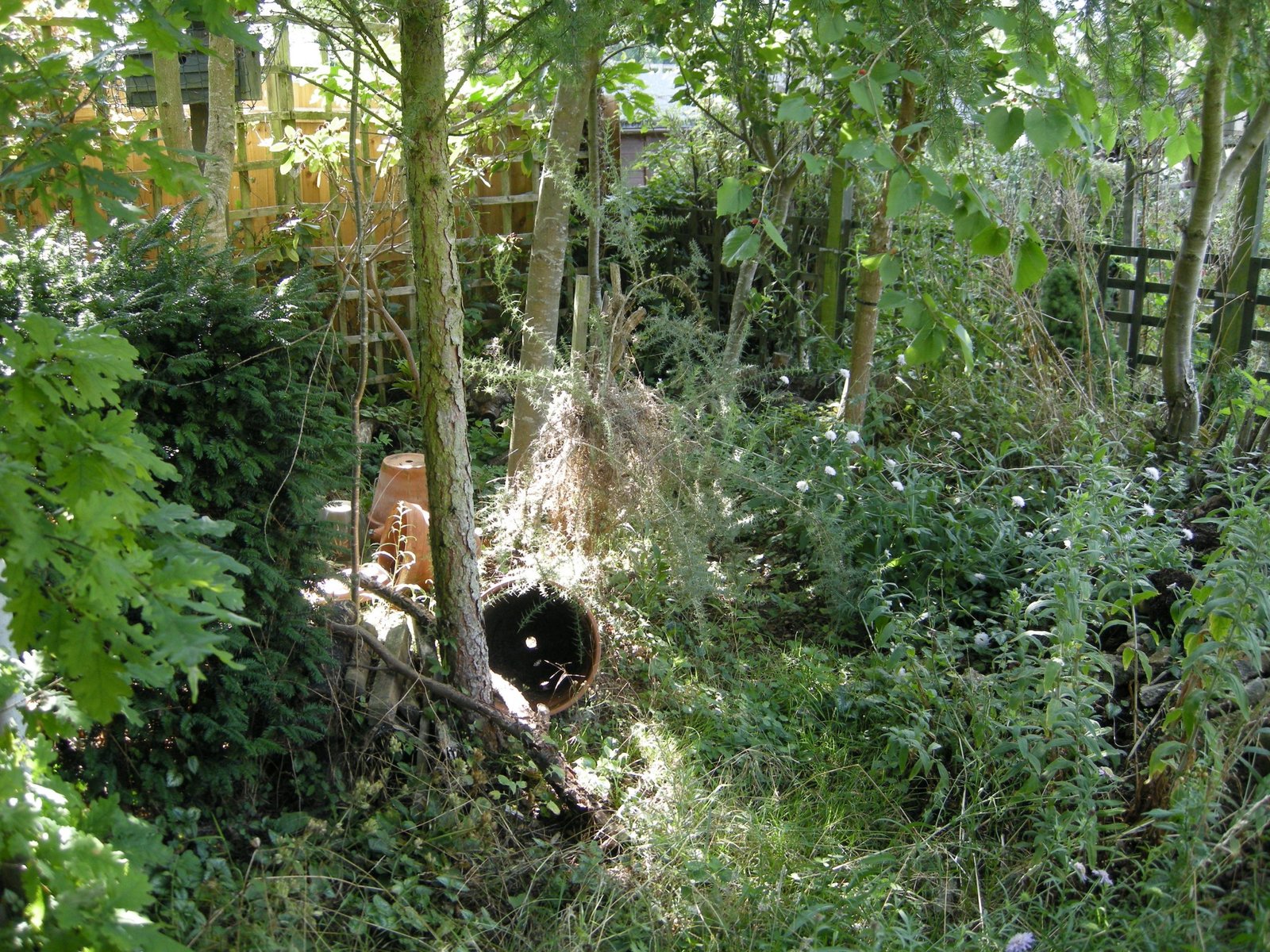
And so to the present. After much deliberation and angst, it has come to what you see below. The outlook is promising. The “chalk” stream is functioning well (Ranunculus is growing), and blackbirds and starlings have started to bathe again. The transported water plants in the pond appear to have survived, although the pond is now used so much by pigeons for their daily bath, there is much green algae growing due to the added feather-dust and poo nutrients. (Sadly, my 2021 big garden birdwatch only listed 2 blackbirds, 2 starlings, 2 wood pigeons, 2 ring-necked doves and 3 greenfinches, which have not been around for a couple of years or more.) I await the spring to see what flowers pop up, including the Pasqueflower whose seeds I will be planting on my little south-facing chalk hill which you can see in the next photograph left of centre with a large piece of chalk stone at the top! Because we are mostly clay-based soil, I have had to improvise a bit – but it is working.
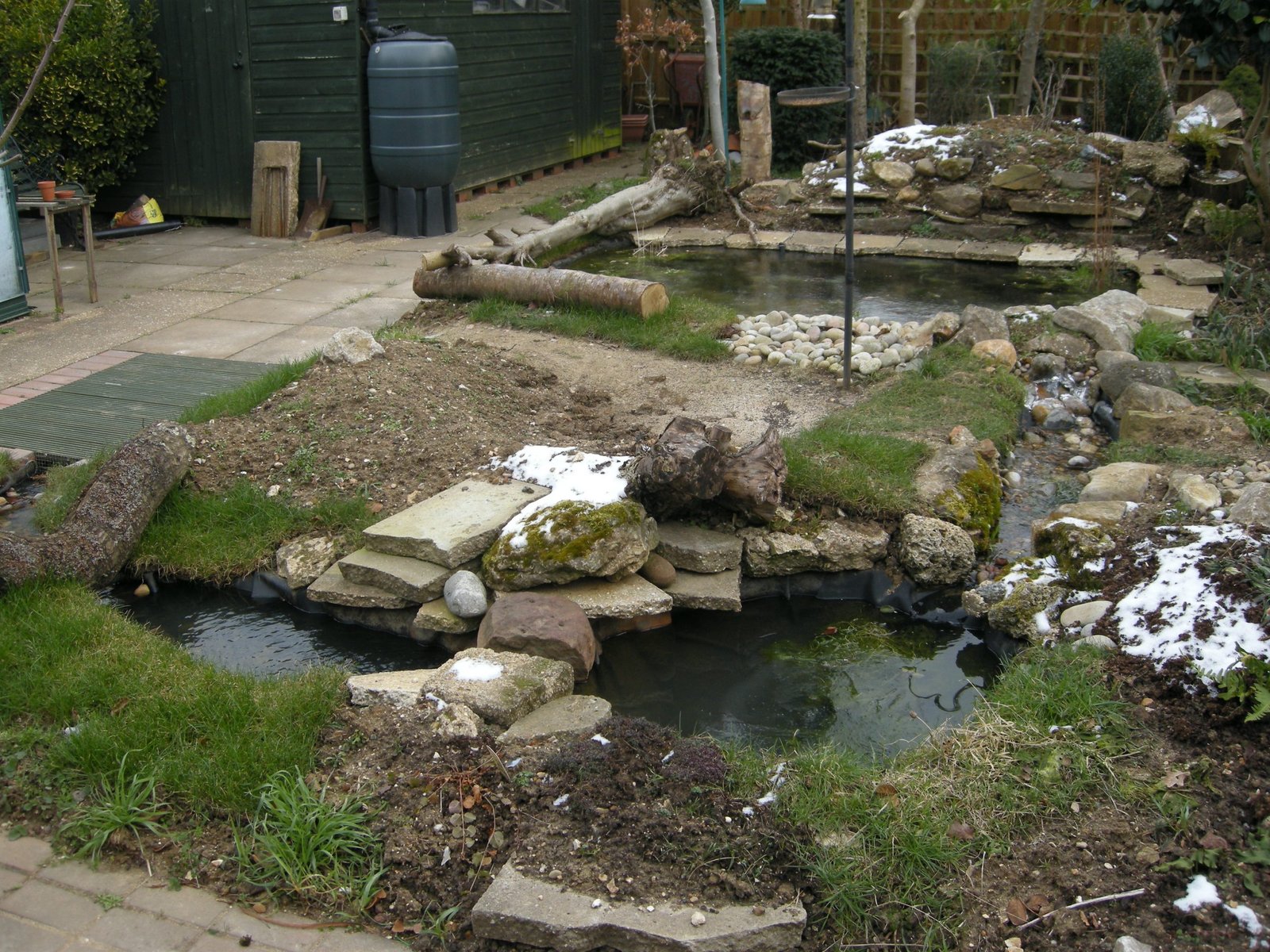
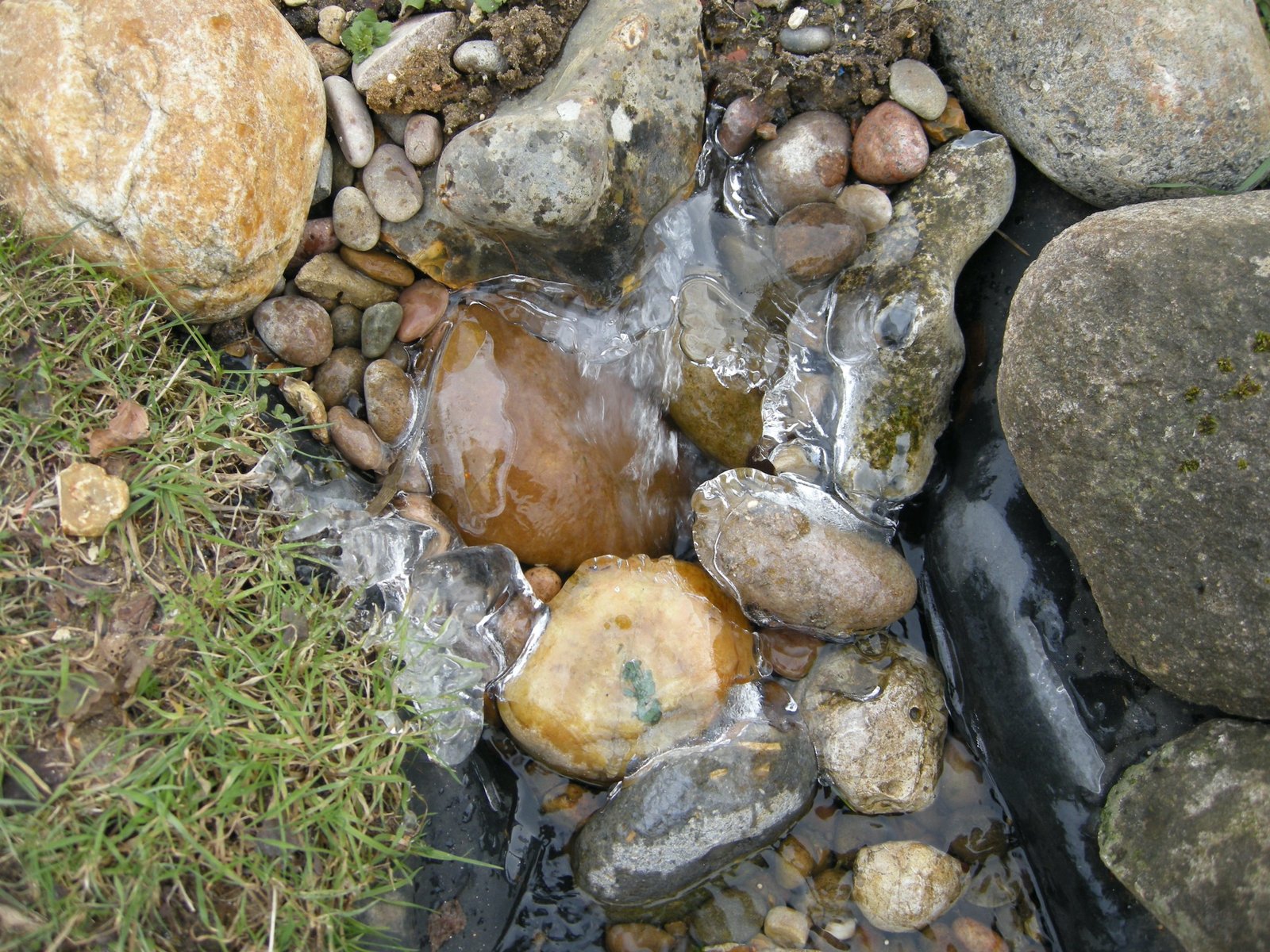
I have quite a few packets of wild seed to sprinkle about, plus I purchased some wild flower plugs last year (some of which have survived!) and intend to plant them soon. Hopefully there will be an abundance of flowers like I had before. One can only hope!
Not had much time for personal painting (Turtle Doves) because there is an unusually high amount of river friend stuff to sort out. Thank you to all those lovely people and organisations who are furnishing me with plenty of news about rivers and rare plants—it is all very much appreciated.
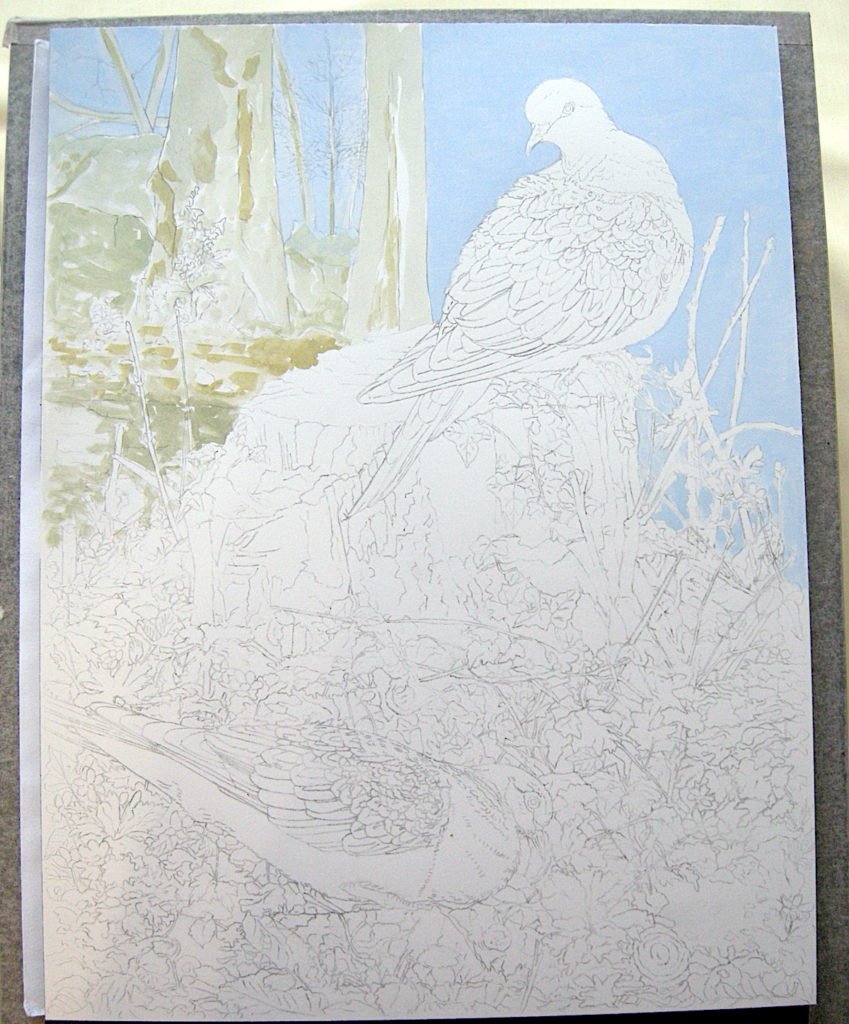
Here is the latest on the “Queen” and her Beau (Artist Code 2017. I know—not much to look at yet, but there are never enough hours in my day to do all that I wish to be able to do!):
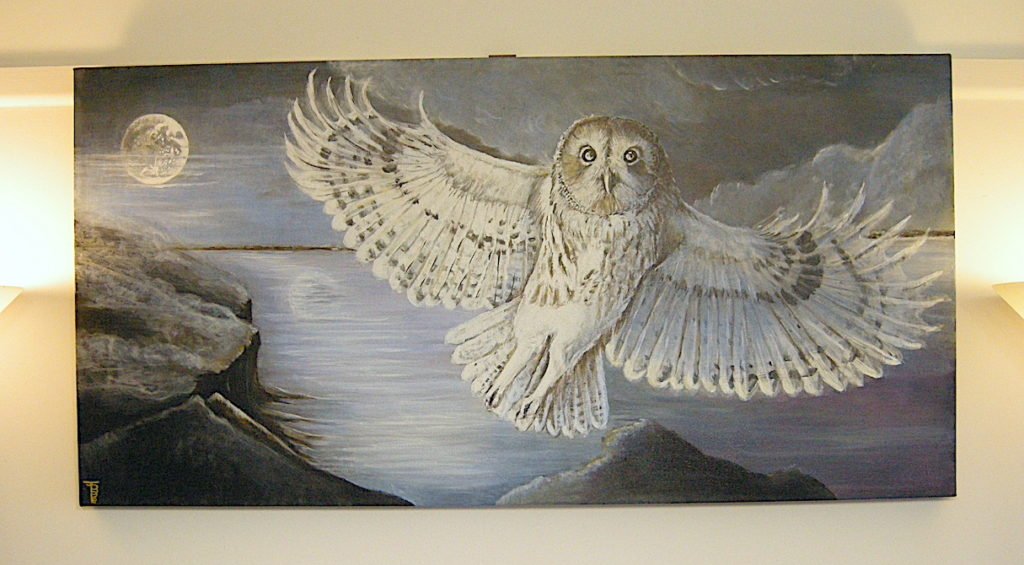
And Artist Code 1808 “Moon Eyes Tawny” is now ready to fly to his new Lincolnshire home. All sealed and varnished with fixings.
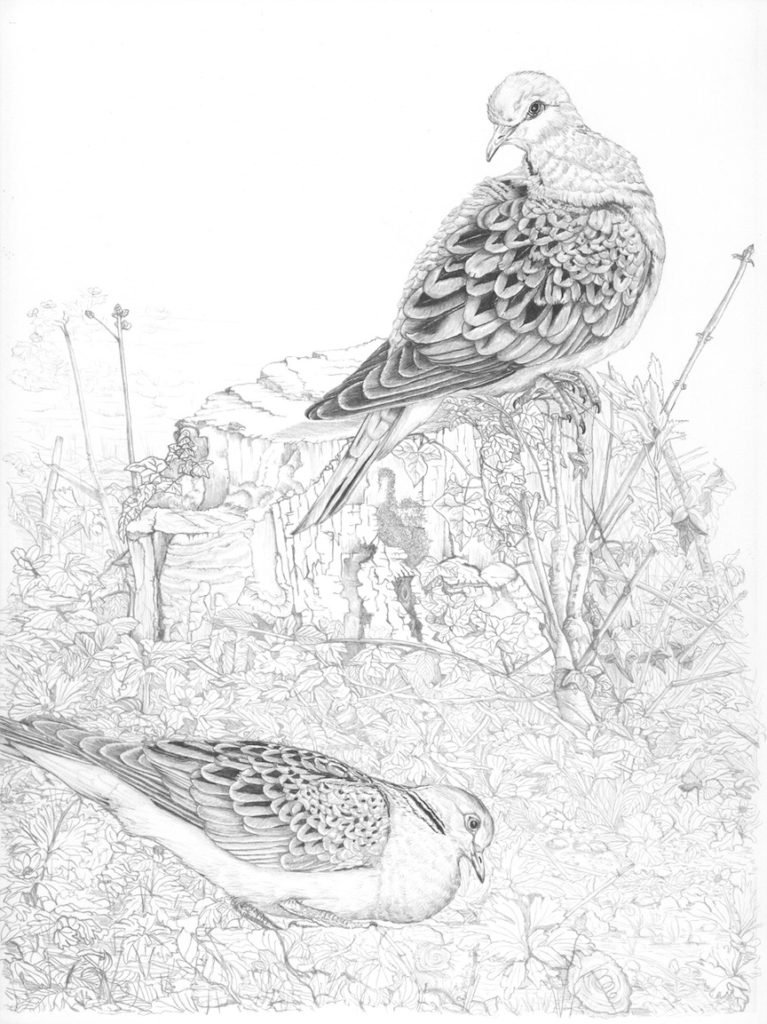
I was fortunate enough to be commissioned to portray the beautiful turtle dove for a “birders” 80th birthday—being his favourite bird. The commissioner contacted me on a Monday when the birthday was the next Saturday. In that short time, all I could produce was a graphite drawing, see bottom of this post.
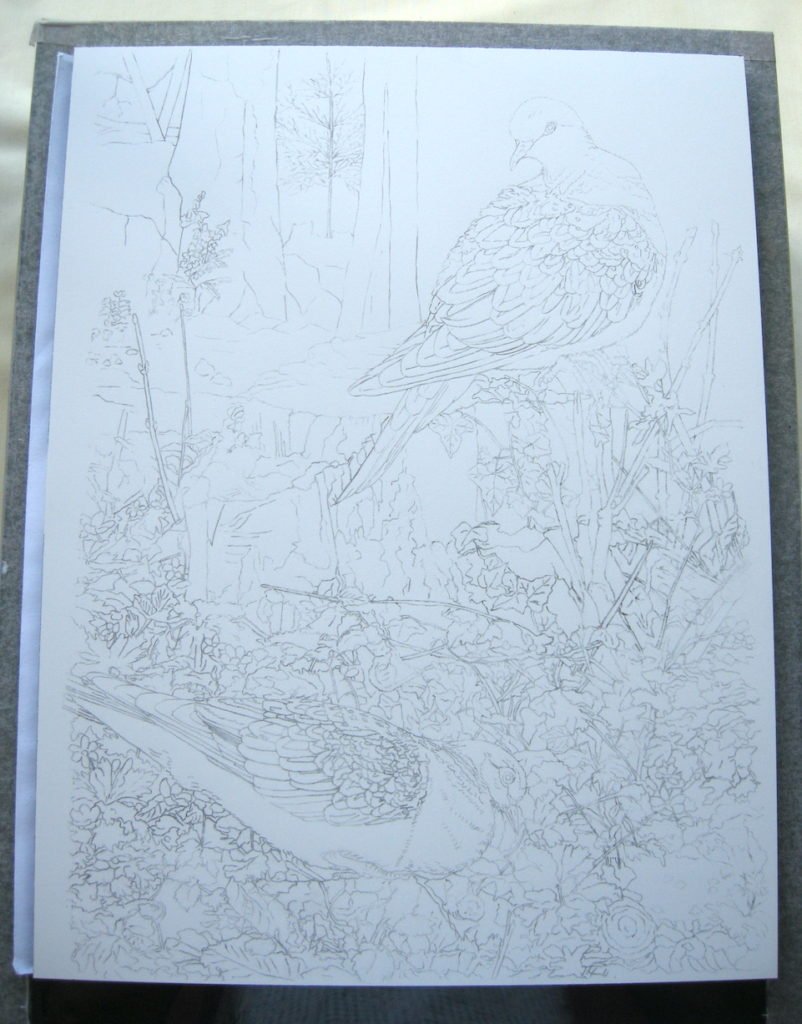
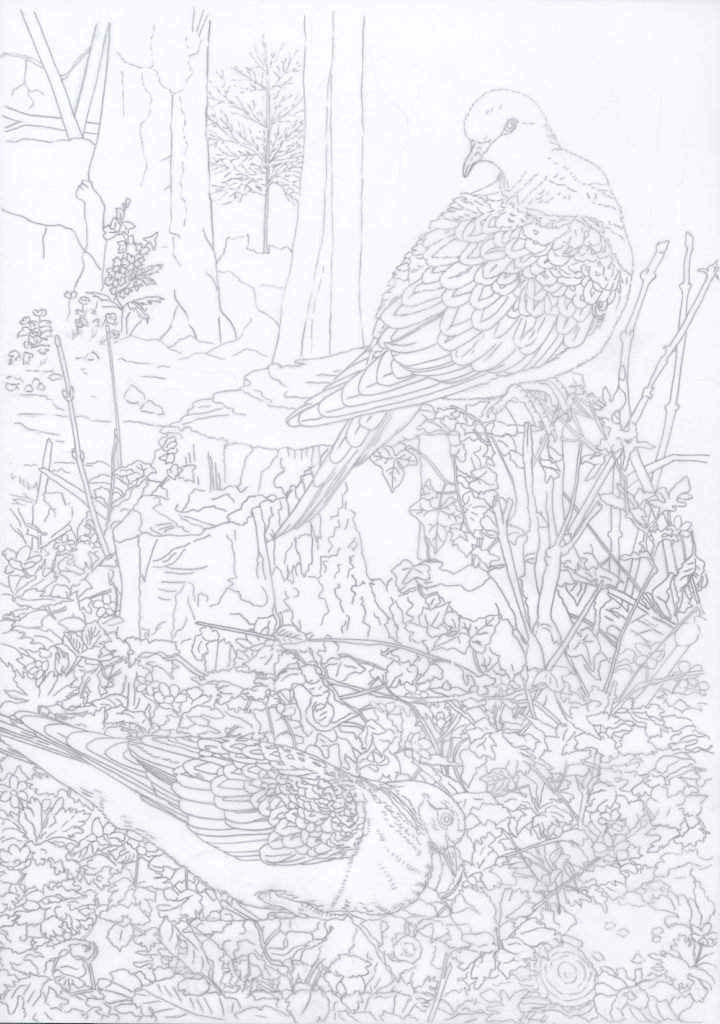
I was much taken with the beauty of these birds so have decided to use my preliminary sketch from that commission to produce a water colour painting. Heart on sleeve, I shall post progress as and when. Below is my preliminary drawing which today (Sunday 29 November 2020) I have just transferred onto my lovely Aquarelle Arches cotton rag paper ready to paint…. (pencil lines have been enhanced so that you can see it better).
Resources for this work are my own photographs taken at Pensthorpe Nature Reserve in Norfolk a few years ago. The doves and other wild fowl, including Bearded tits/reedlings (painting already done of these), were in a very large aviary, and the birds were acting as near-normal as can be in such circumstances. Ruffs were cavorting, and the male turtle doves were parading—hence the title. The background is a sawn tree-stump surrounded by wood anemones taken in Switzerland a few years ago (but which could easily be in Britain, so I am using it!).
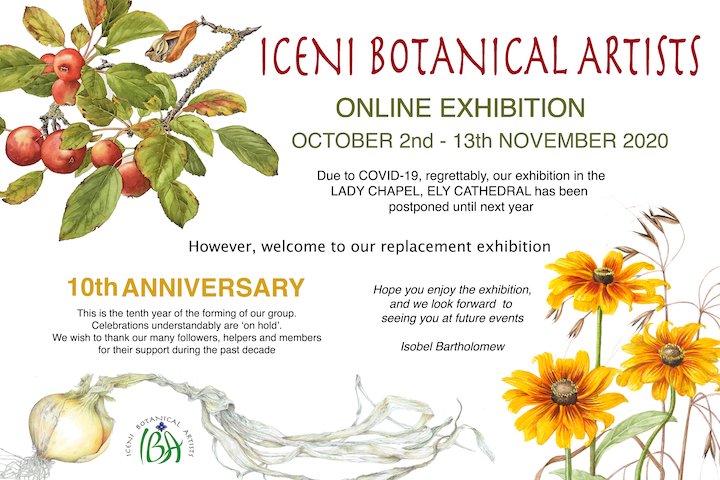
We should have been exhibiting (with workshops) at Ely Cathedral, but of course everything is on hold. Please visit and check out the beautiful artwork by the IBA Artists.
Direct link to ONLINE EXHIBITION
Direct link to ICENI BOTANICAL ARTISTS WEBSITE
Direct link to IBA ON FACEBOOK