Posted on

REED—ON THE EDGE. Fifth book in the River Friend Series out 21st October 2020

The fifth little book all about the Reed water plant (Phragmites australis), to be published by River Friend, is due out soon. Here is a taster, and please watch out for it on Amazon and other famous bookshops.
RIVER FRIEND: A series of Riverine Small Books by Tina Bone and Sylvia M. Haslam. Book 5. REED—On The Edge
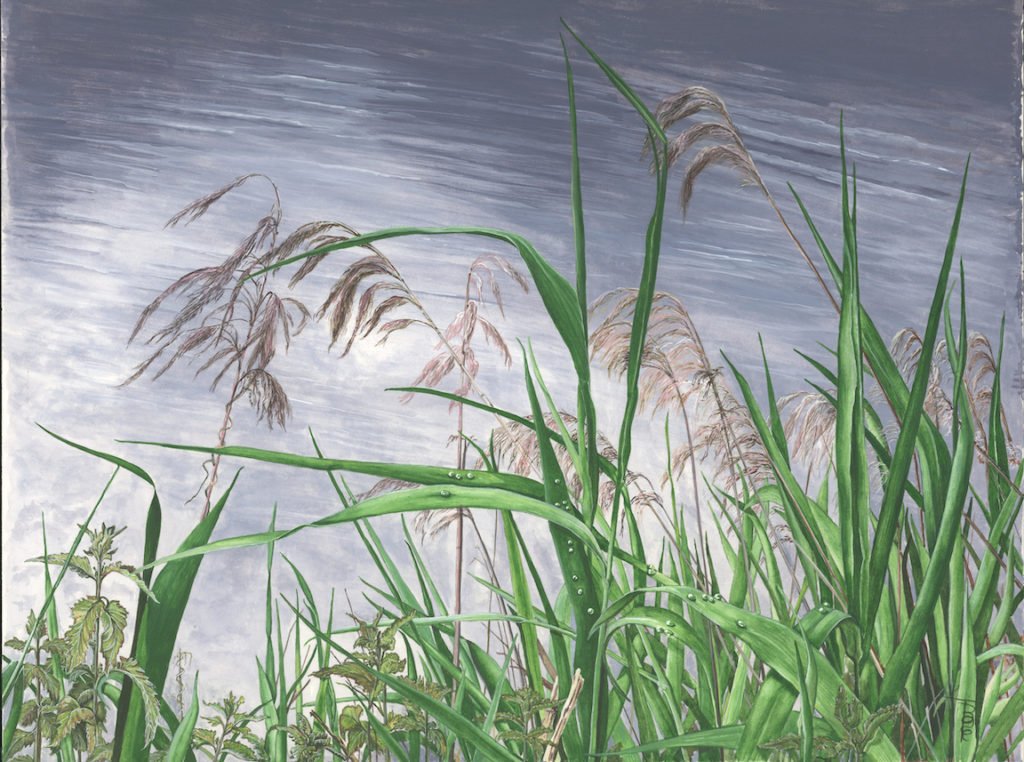
What are reeds (Phragmites) like? To begin with, it is one of the very few plants to be native (not introduced) in all five continents of the world.
Imagine working all day with a marvellous sky above and below surrounded by reeds, just a wind-blown rustle and calling birds—an experience not to be forgotten.
What are the uses of reeds and reedbeds? Whole human populations can live in and, in extreme cases, nearly entirely upon the reedbed. Hermits, and to some extent monks and nuns, ventured into reed wetlands so that their prayers would purify and sanctify the haunt of demons (St Guthlac, Beowulf).
In Europe, the struggle for community existence in the hazy band “twixt land and water”, is usually won by Phragmites. In the Americas, Australasia, Africa and much of Asia, it is usually won by other reedswamp species.
Is it just a grass; is it war-like? Yes. A silent battlefield where a plant is NOT “nice” to its neighbour in seeing that “next door” has space to grow, enough light to grow well, enough nutrients and, of course, enough water, just doesn’t happen. For the reed it is an intense and continuing, but silent, battle for survival. There is no peace in the reedbed for Phragmites—just the giant struggle for existence….
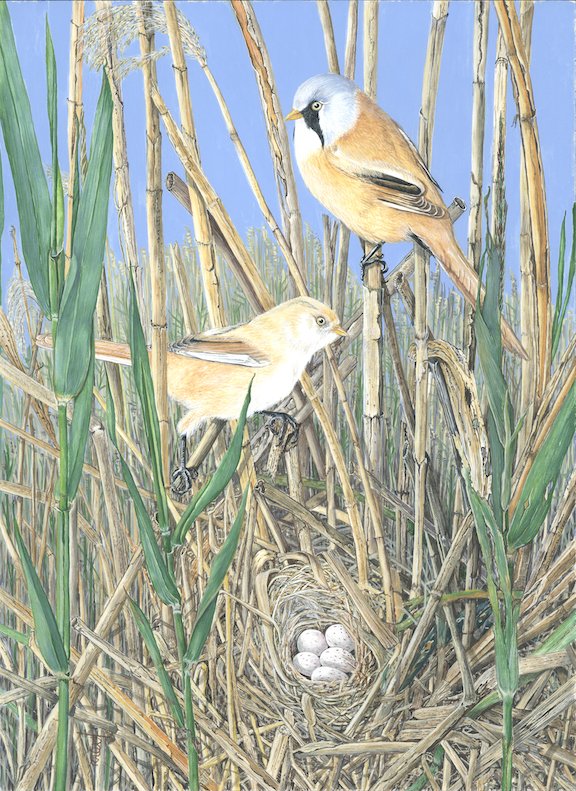
Fig. 1. Apart from its invaluable resource for humans, many animals and birds live and breed in the reedbed. For example, Reed Warblers and Bearded Tits (or Bearded Reedlings). Bearded Reedlings eat mainly reed seeds in winter and soft-bodied insects which gather poolside during the summer. Their nests are built with reed leaves and old fluffy seed heads. The figure shows a male bird with black moustache, and a more plain female, and eggs in a nest in the swaying reed stems.

CONTENTS
Introduction
Boring?
Belligerent?
Brilliant?
Uses
Different wetland species and how they interact
Introduction
Reedswamp into open water (historically common)
Seasonal patterns
Root toxins and short grass
The Scramblers
Management of reedbeds for some (human) use
Ways to Dominate
Plant factors
Outside factors acting in mixed stands
Reedswamp to Trees
Conclusion
References
List of Stand-alone Titles in the River Friend Series
About the Authors
Posted on

1604: Tea & Cake & off to a new home

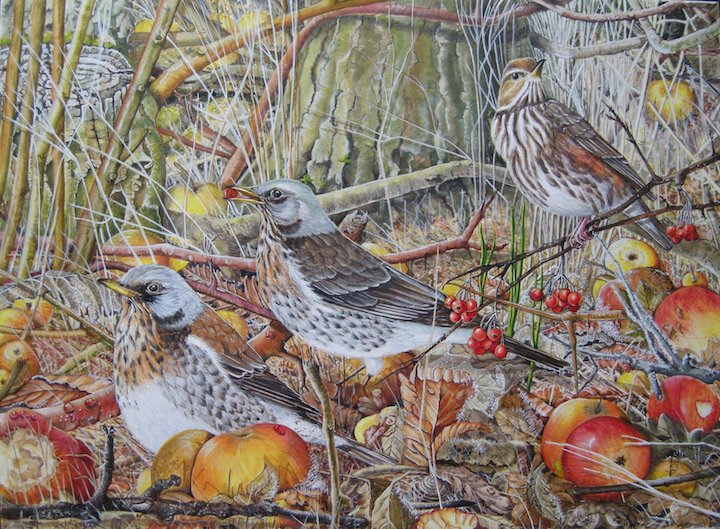
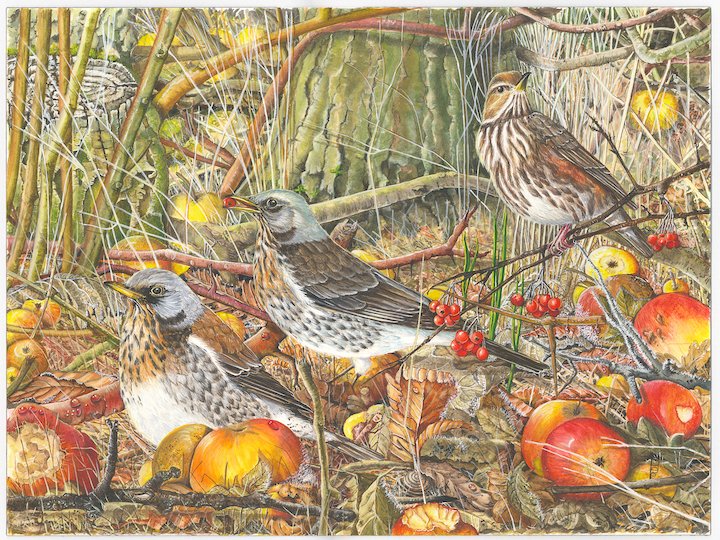
This little painting, which received a Highly Commended award in the latest Patchings Festival (online) exhibition (The Artist, and Leisure Painter) has now gone to its new home. The buyers visited the studio and we had tea and cakes on the patio (all socially distanced of course!). A lovely farewell to a little water colour painting which, on and off, took four years to complete. PICTURE PROFILE

And a little blog of history about the painting.

Artist Code: 1604. Completed 9th March 2020. “Three New Blades” (Fieldfares and Redwing) SOLD April 2020 to private buyer. Water colour on Aquarelle Arches 100% hot pressed cotton rag. Unframed size 12″ x 9″.
Posted on

1514: Barn Owls Portrait—Tear it, Tidy it, or Tuck it away?

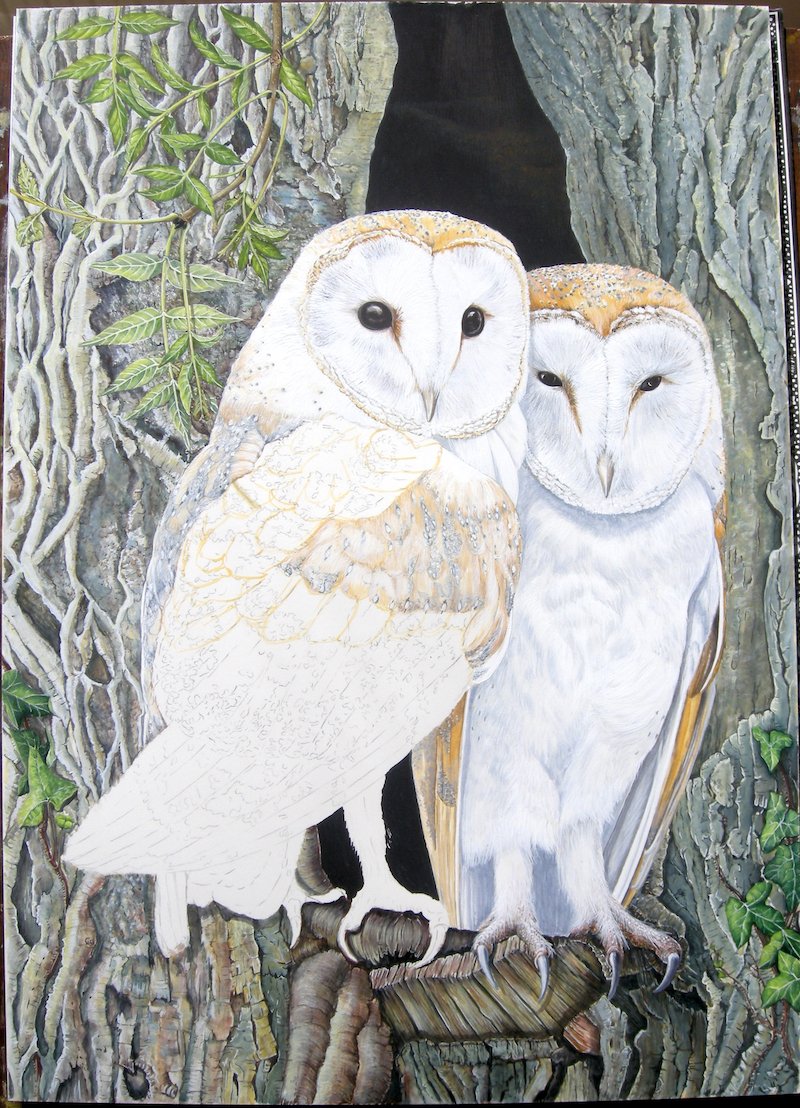
I have just left off painting because I was not happy with progress. I do hope I have not mucked it up (have not done that for a while). But after all the hard work and effort, it is so annoying when it starts to go wrong. My heart is on my sleeve, so I need a bit of time to reflect on the progress and whether I should tear it up or put it away for a few days and go back to it with a fresh eye. Not sure!

Tear up, Tidy up, or Tuck it away for another day?
Posted on

Painters Online TALP Open 2020

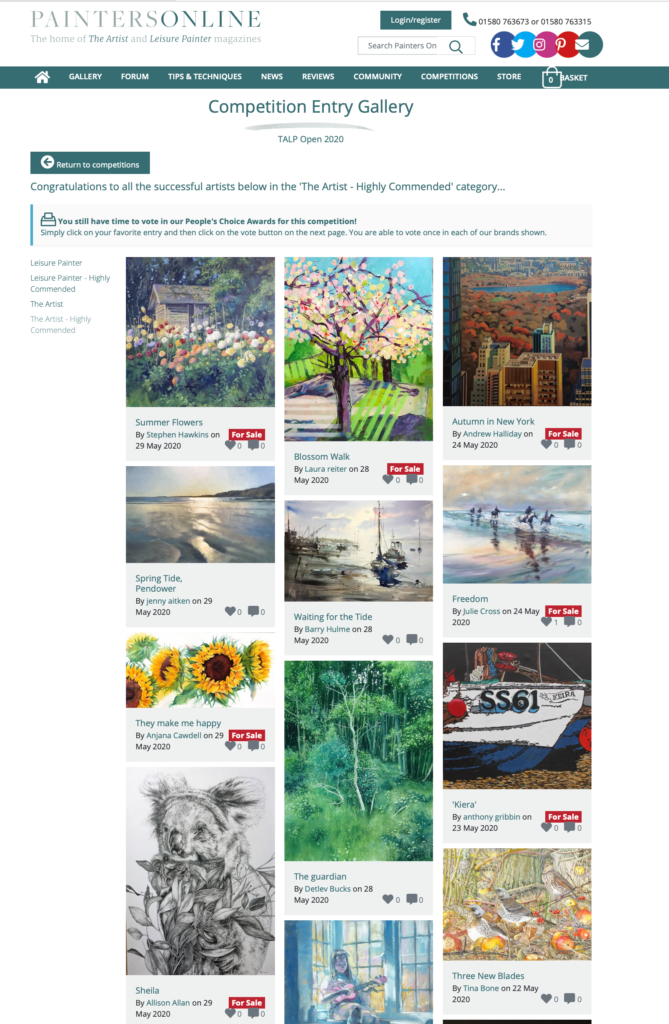
It is now official that I received a “highly commended” award for my little water colour painting entitled “Three New Blades”, and I think it is eligible for the Peoples’ Choice Awards. The big downside is that wannabe voters have to login or register to make a vote, and I would not ask folk to do that. So instead, please see the screenshot below the main picture, which shows my painting bottom right. I do not need votes for best this or that, it is just wonderful to be included in part of the virtual exhibition. If you are able to virtually visit, then please do; it is a wonderful exhibition and so many different types and subject of paintings to see.

View Painters Online Patchings festival

“Three New Blades” (Fieldfares and Redwing)
Posted on

1514: Barn Owl Picture Update

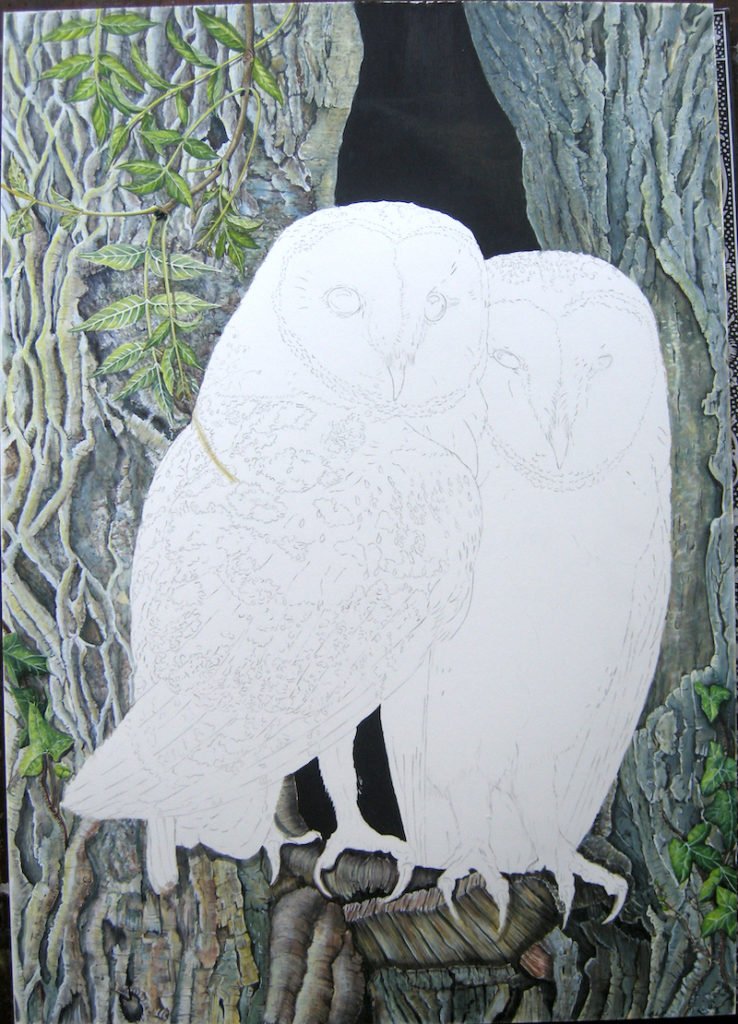
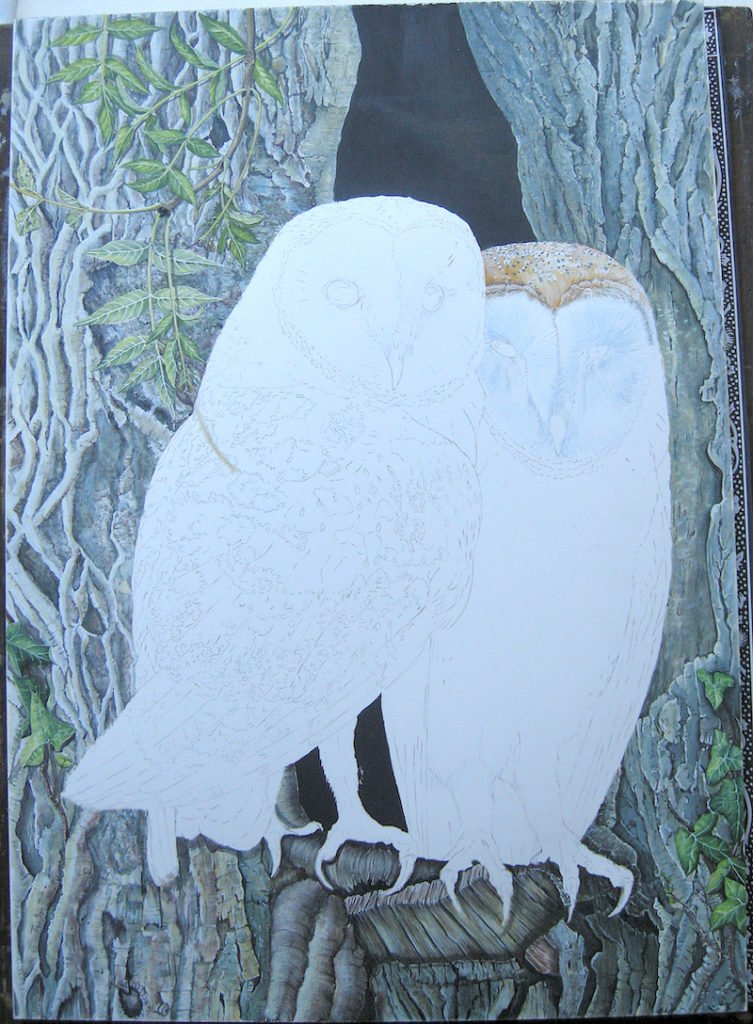
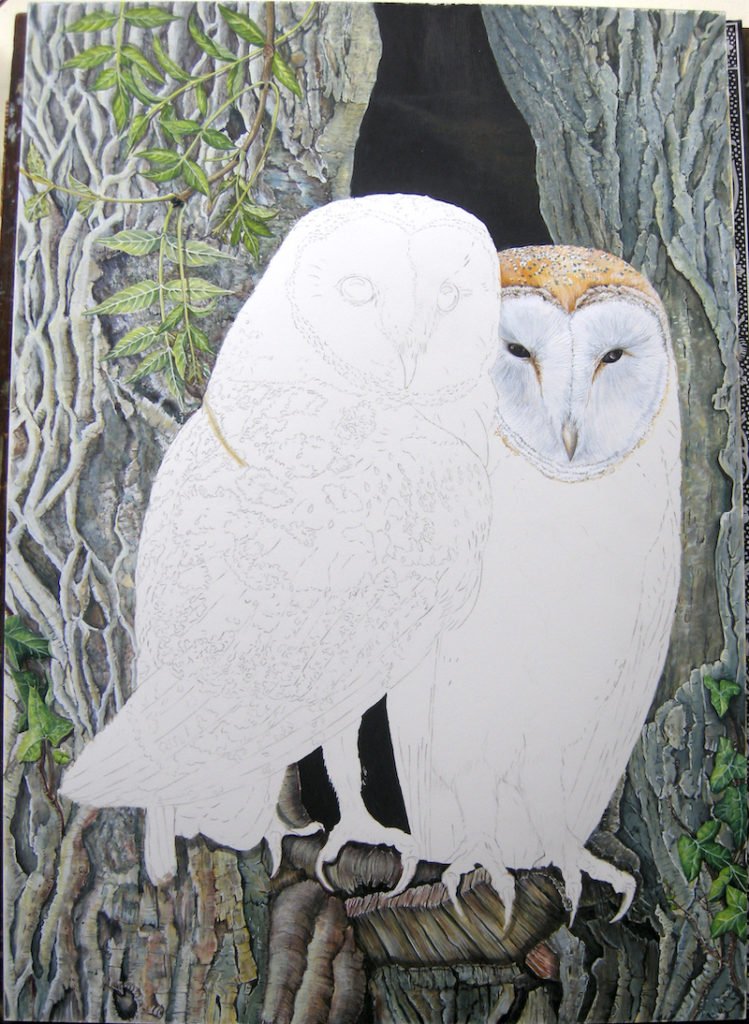
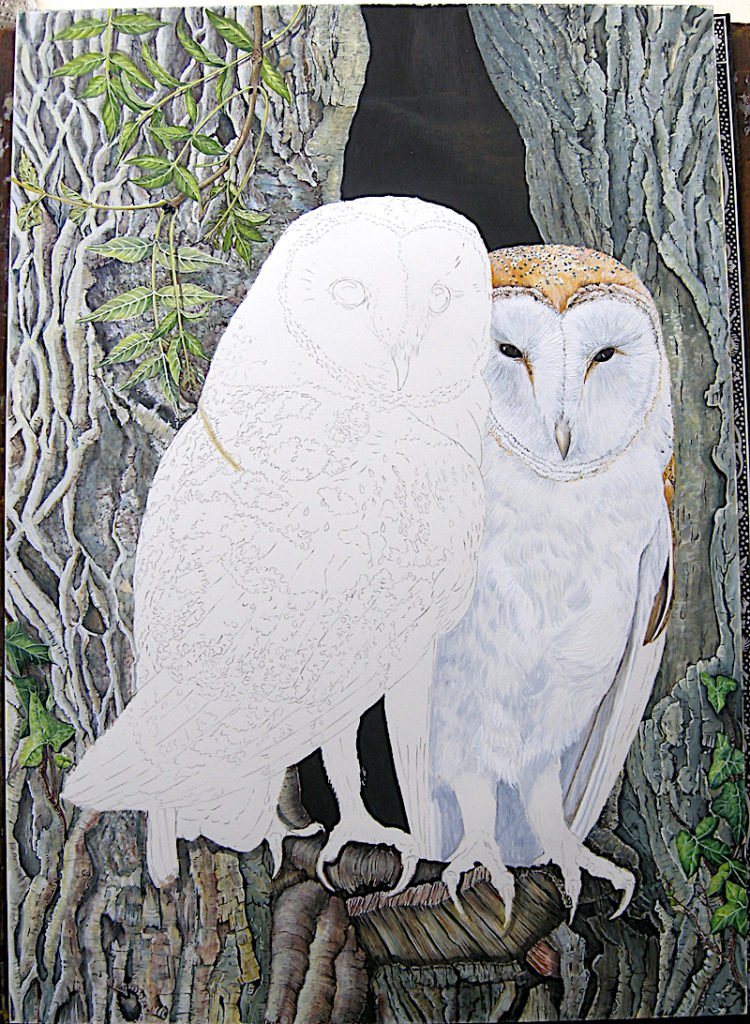
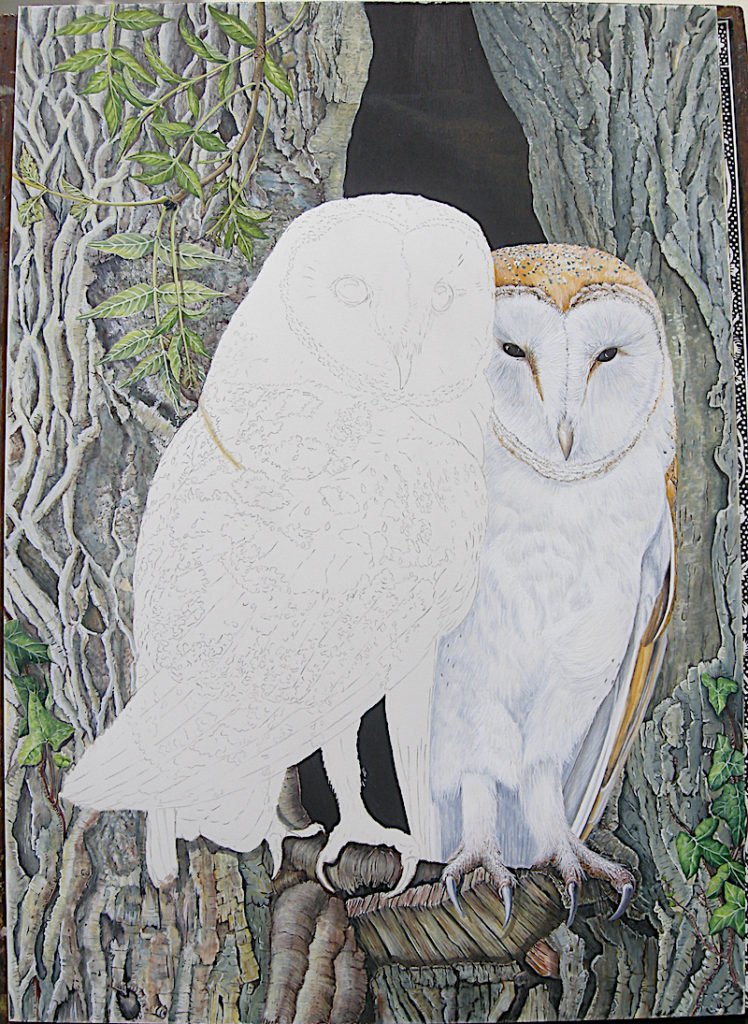
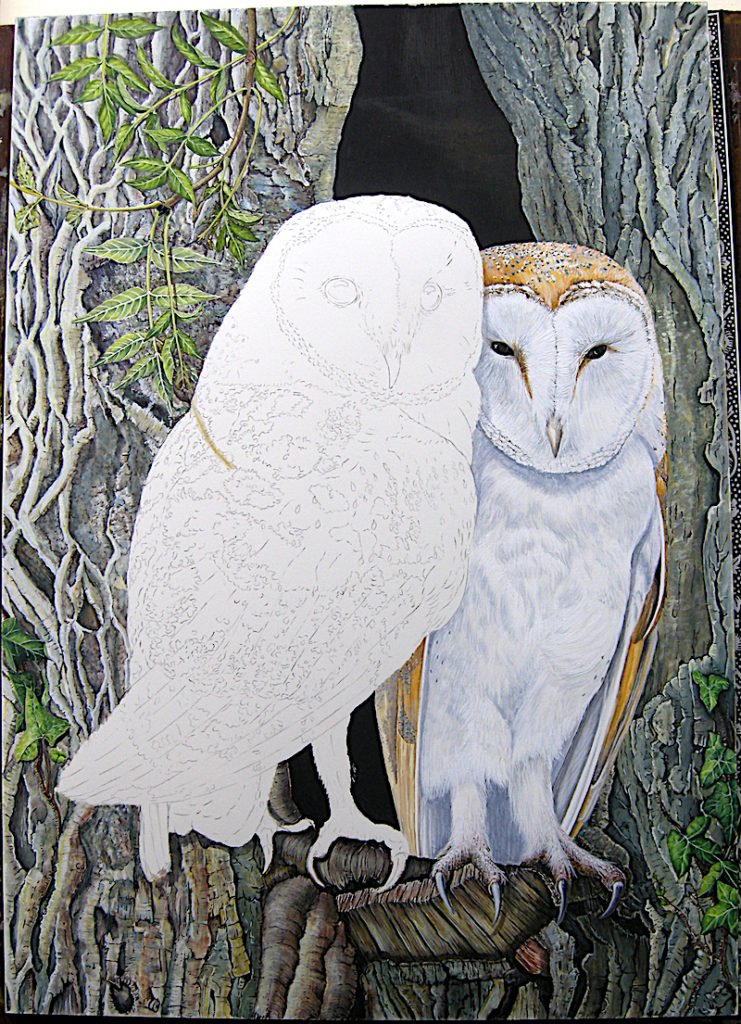
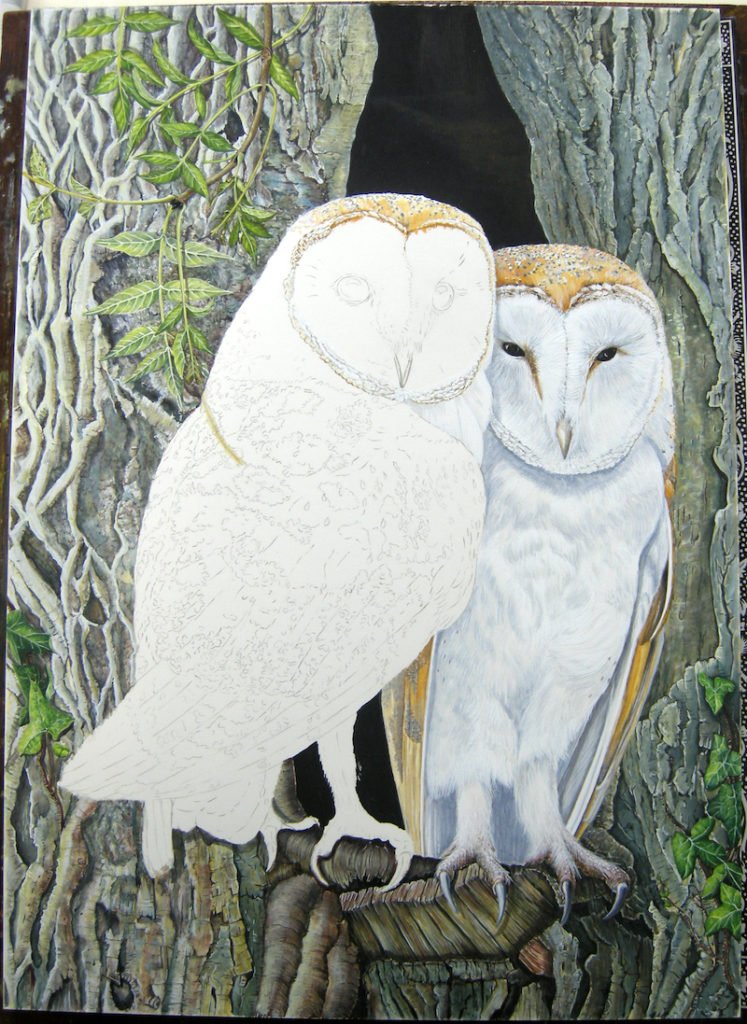
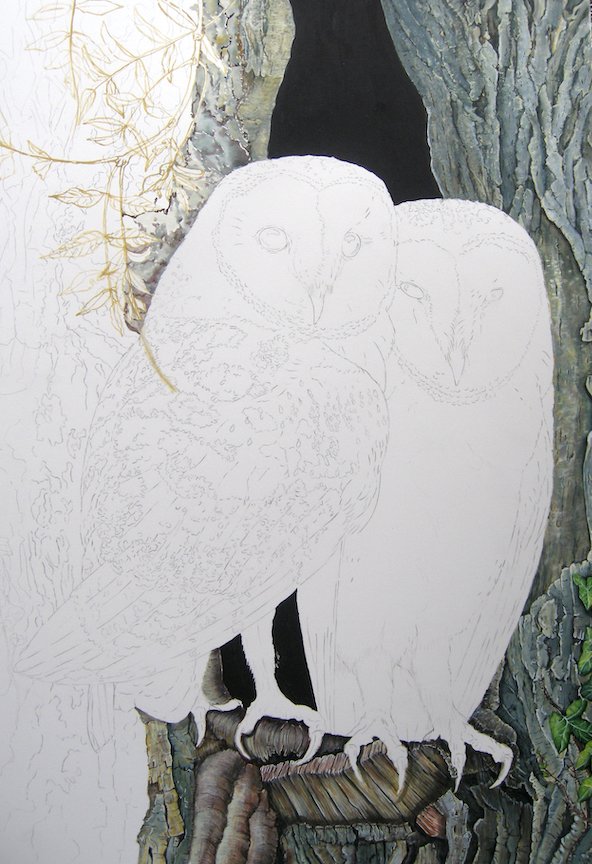
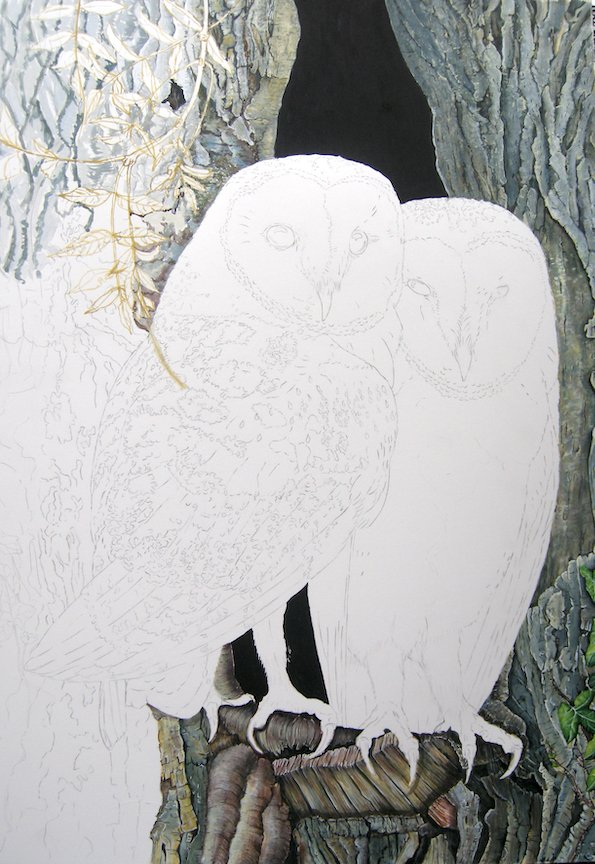
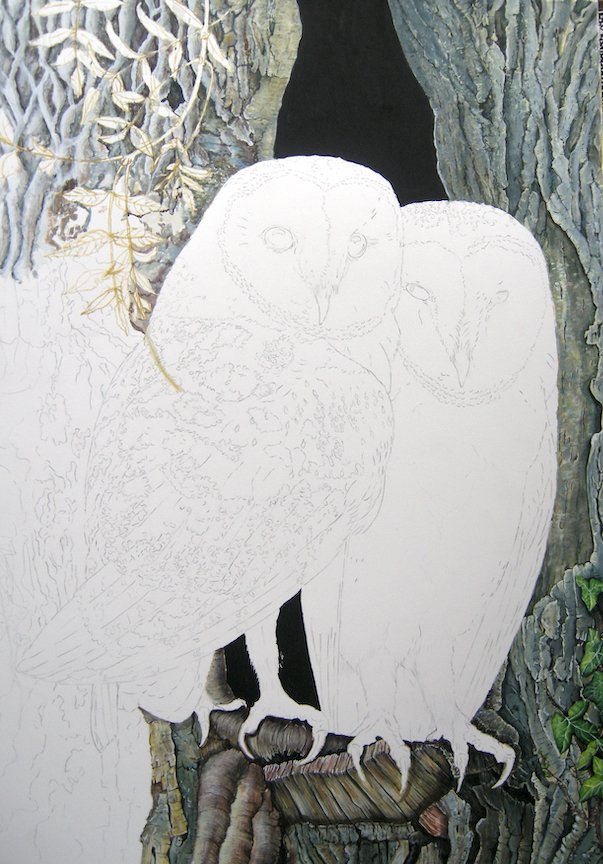
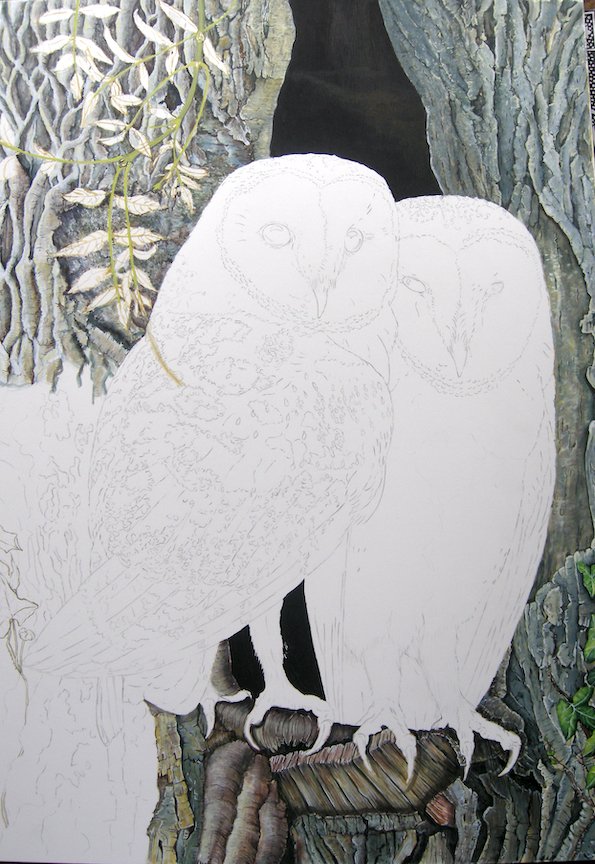
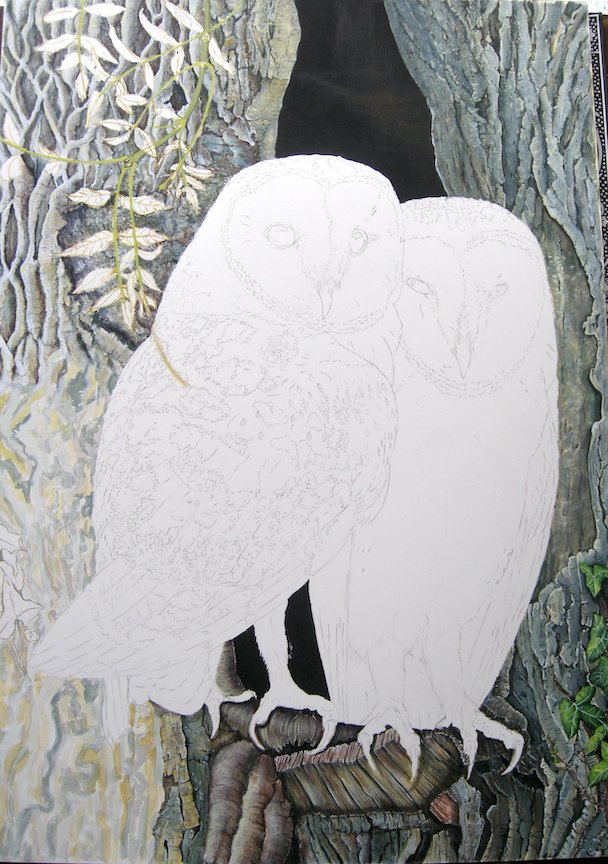
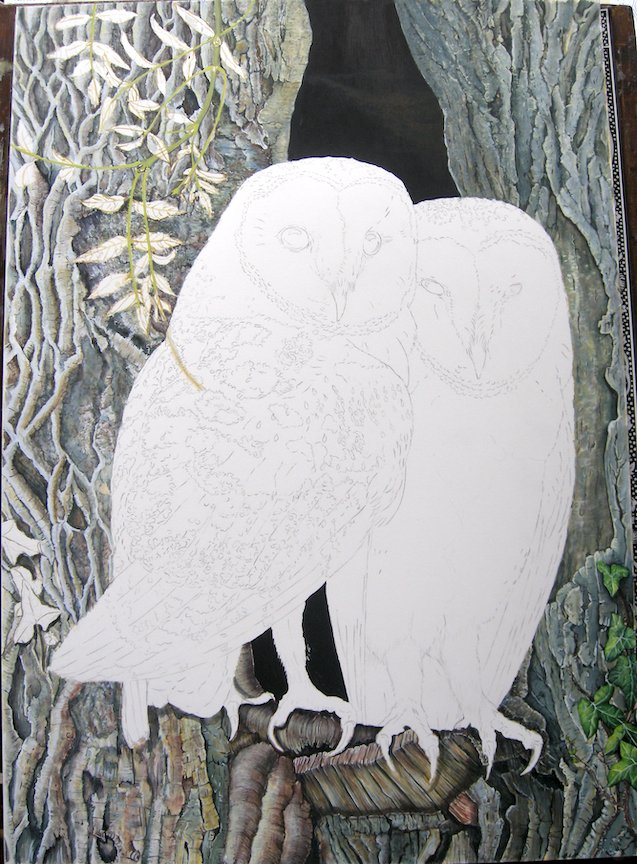
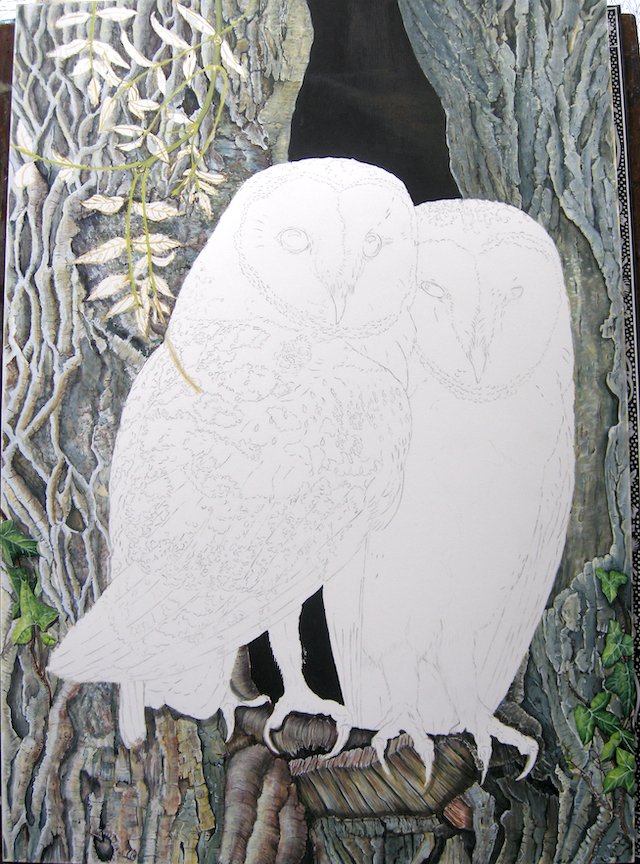
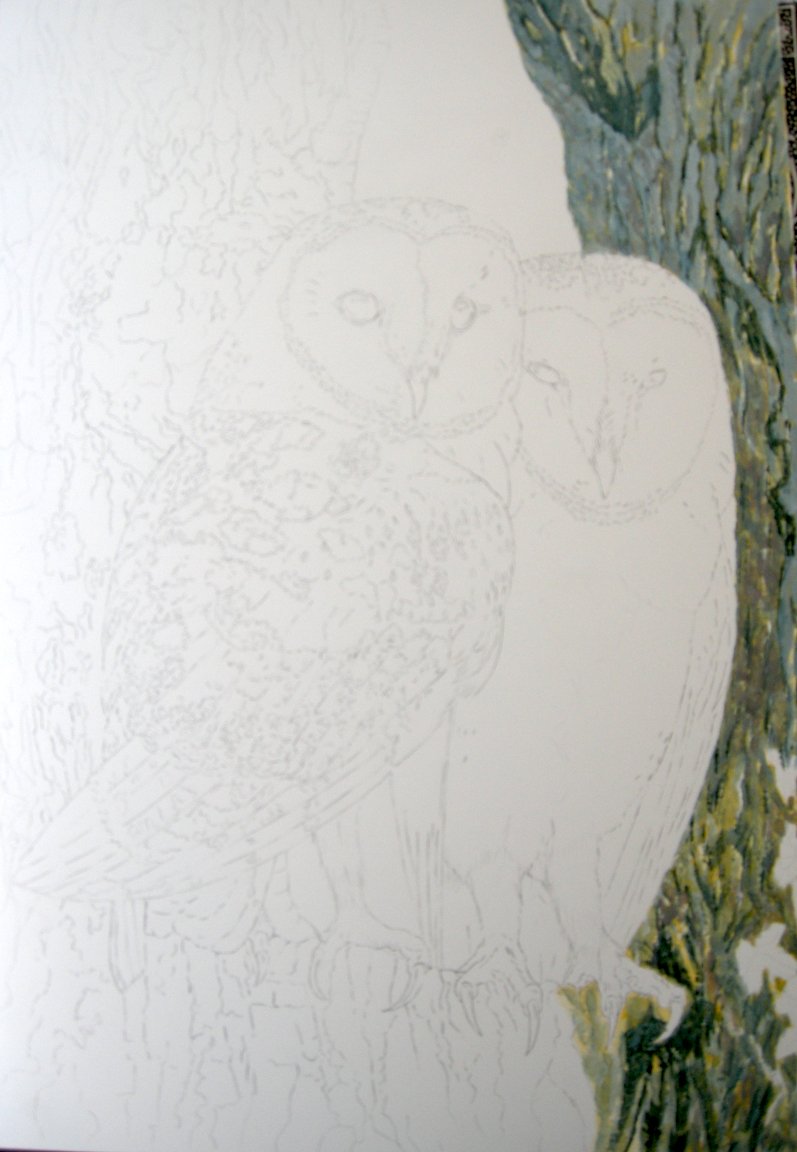
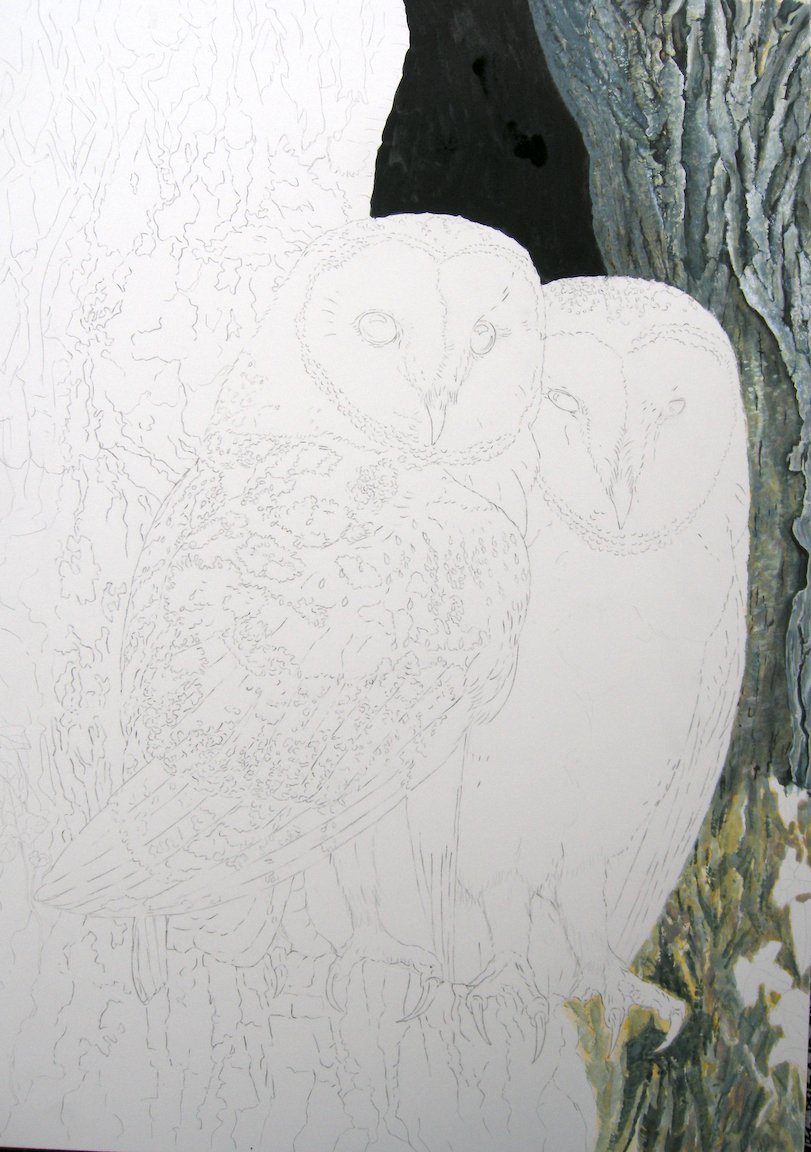
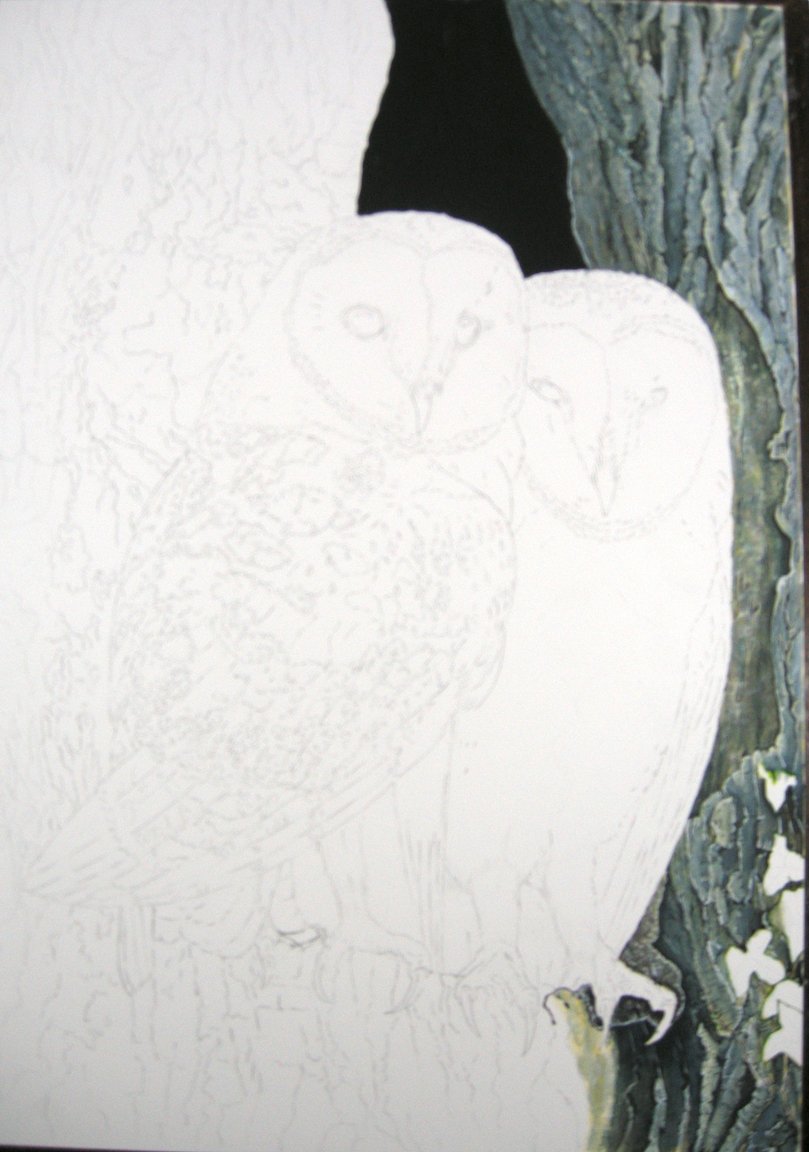
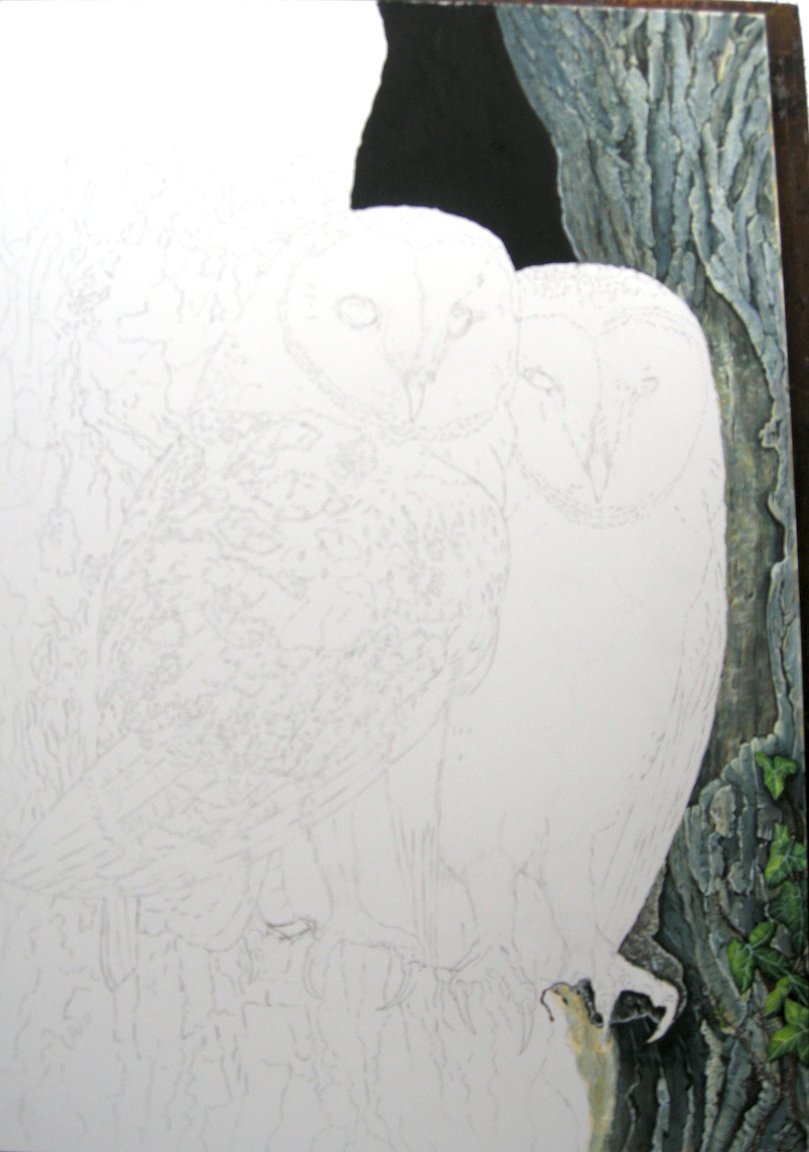
A few more hours work on the large barn owl water colour (14″ x 20″). I decided to add some ivy and a few ash leaves to break up the never-ending wood of the large trunk. I now have to turn to some Bearded Tits (Reedlings) for Book 5 in the River Friend Series.

Here are a few progress pictures of the barn owls. This is the second post on progress: you can view my resource photographs and preliminary drawings HERE.

Posted on

1514: Another old drawing gets some paint!

In 2015 I had the good fortune to visit a friend who had two licensed barn owls, which he keeps in a large aviary. He was very kind and let me sit in the aviary with the owls for a few hours so that I could study their movements, make sketches and take lots (600) photographs.

In May 2015 I attended an exhibition at Hinchingbrooke Country Park, under the umbrella of Creative Coverage (provide publicity for Artists and Crafts People), and one visitor to the exhibition on the day that I attended as Artist in Residence, commissioned me to (secretly) paint a barn owl for her husband’s birthday. After I had produced the preliminary sketch for approval (which she liked very much), she felt that her husband ought to see it. It wasn’t that he disliked the sketch, he decided that his dear wife should not pay that much for his present, so very reluctantly she decided not to go ahead with the commission.

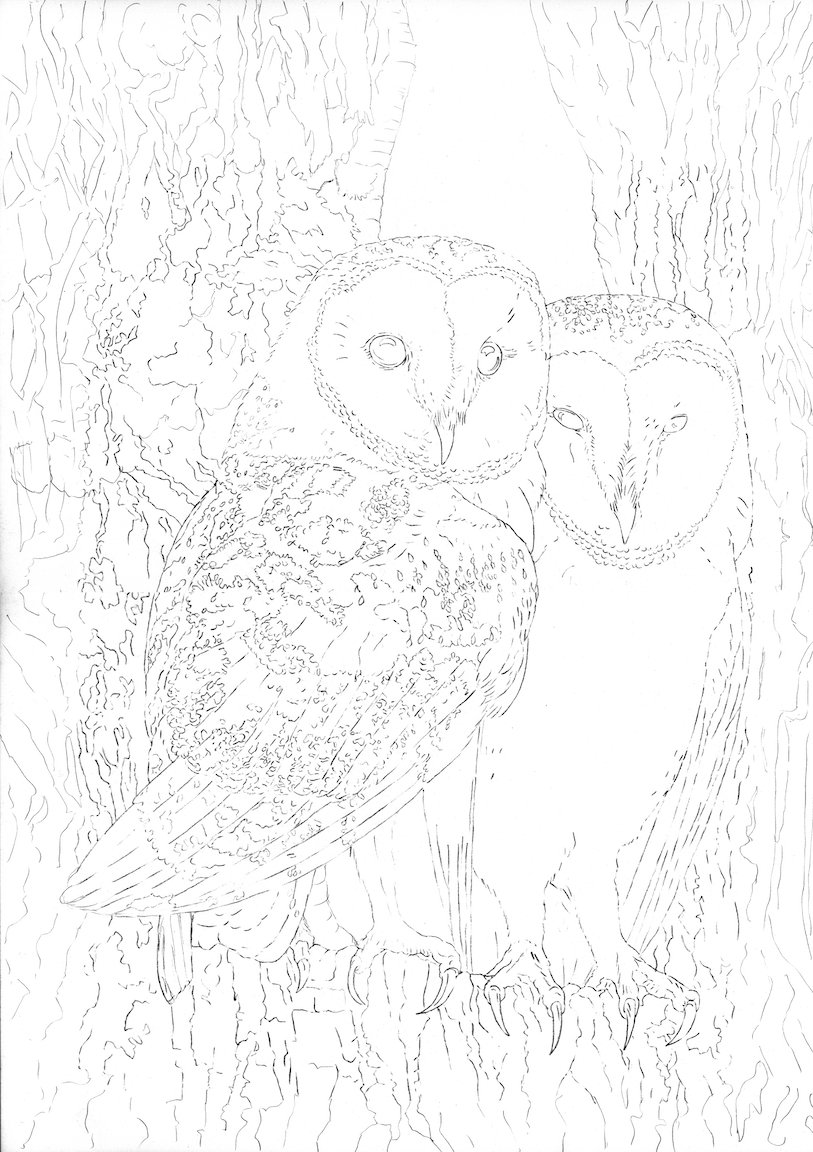
As I had already done the preliminary drawing I carried on with it and produced a working pencil sketch on Aquarelle Arches 140lb water colour paper size 14″ x 20″. I was then fortunate enough to receive a run of commissions, so this painting was relegated to my “Paintings to Do” list, which permanently has about 25 picture ideas on it!

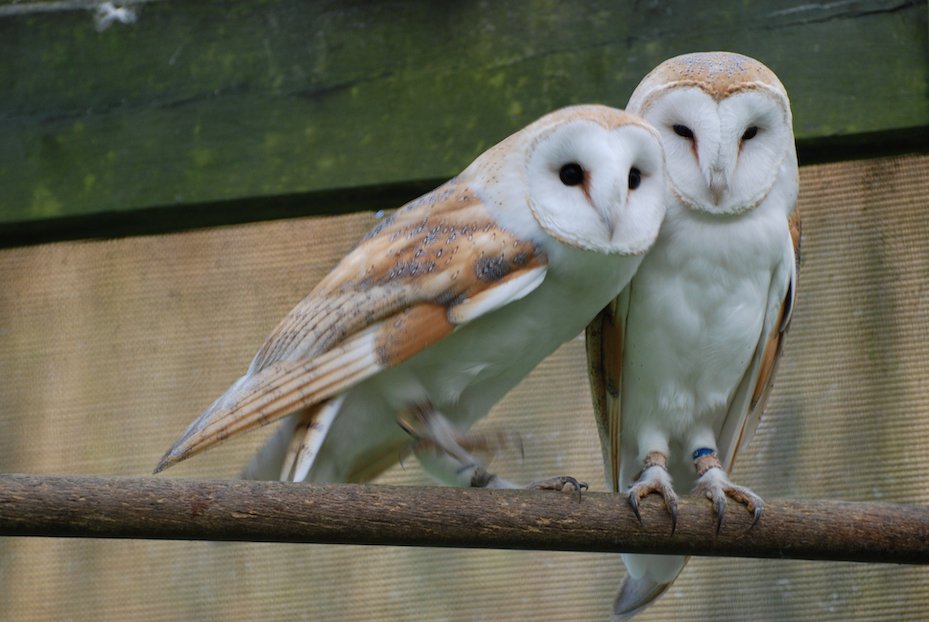
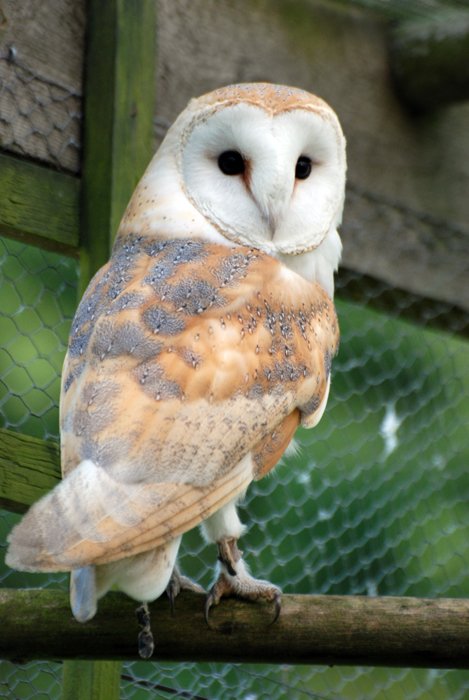
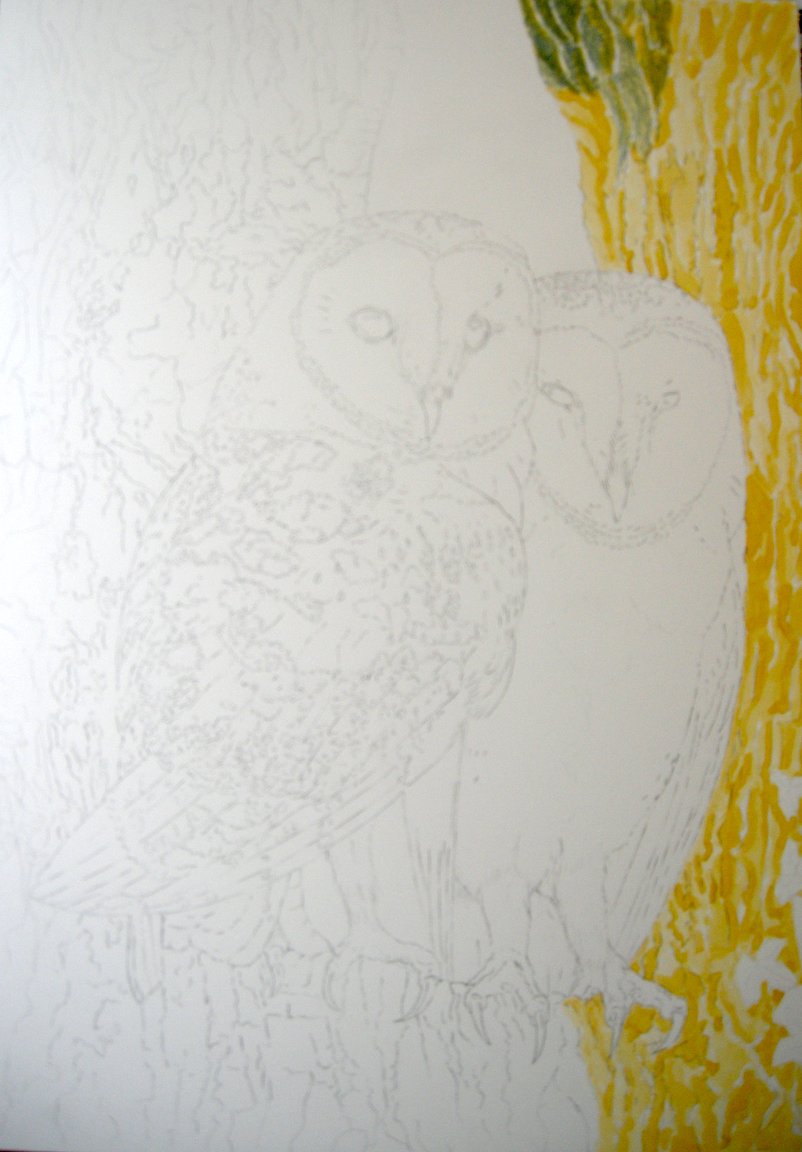
Yesterday (27th June 2020), after playing tennis, I was looking through some old stuff and found the sketch, so decided to paint it. Here are a couple of resource photographs I used for the composition, the original fine pencil sketch and a few painting-progress pictures from yesterday. I hope you enjoy them.

Posted on

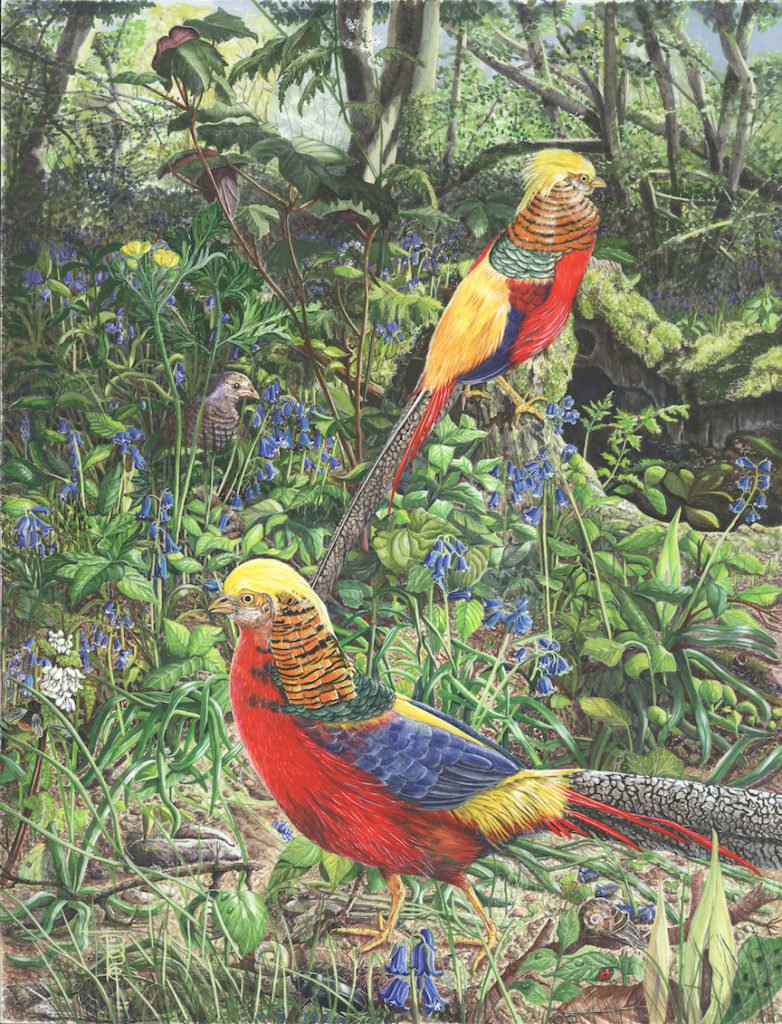
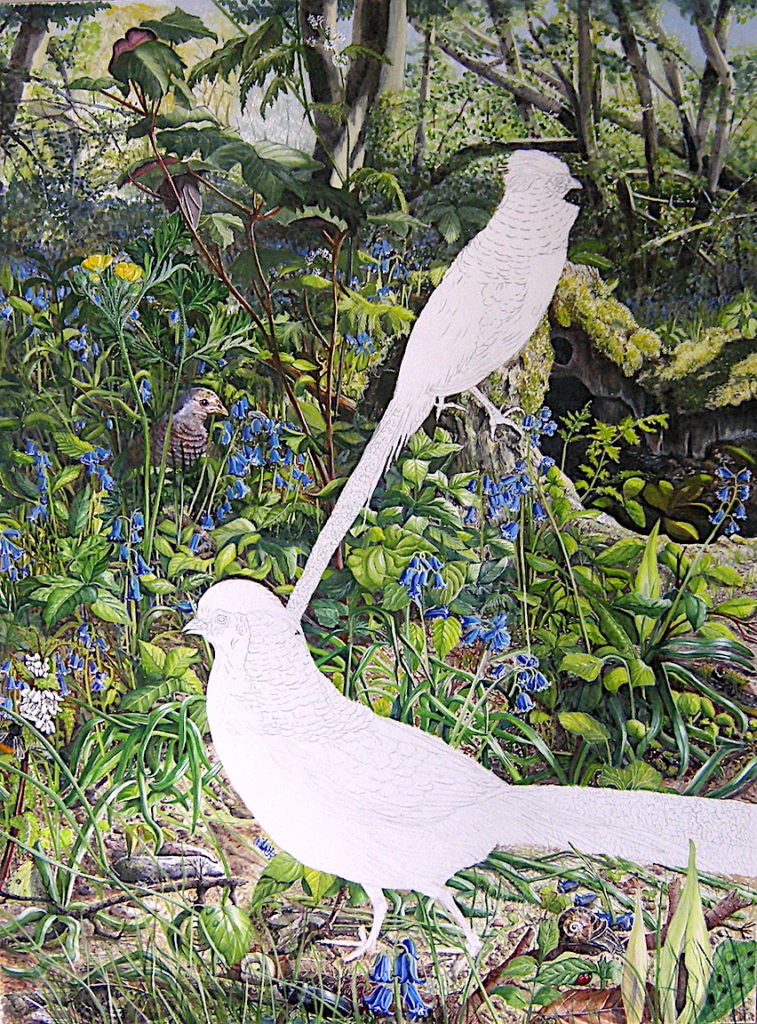
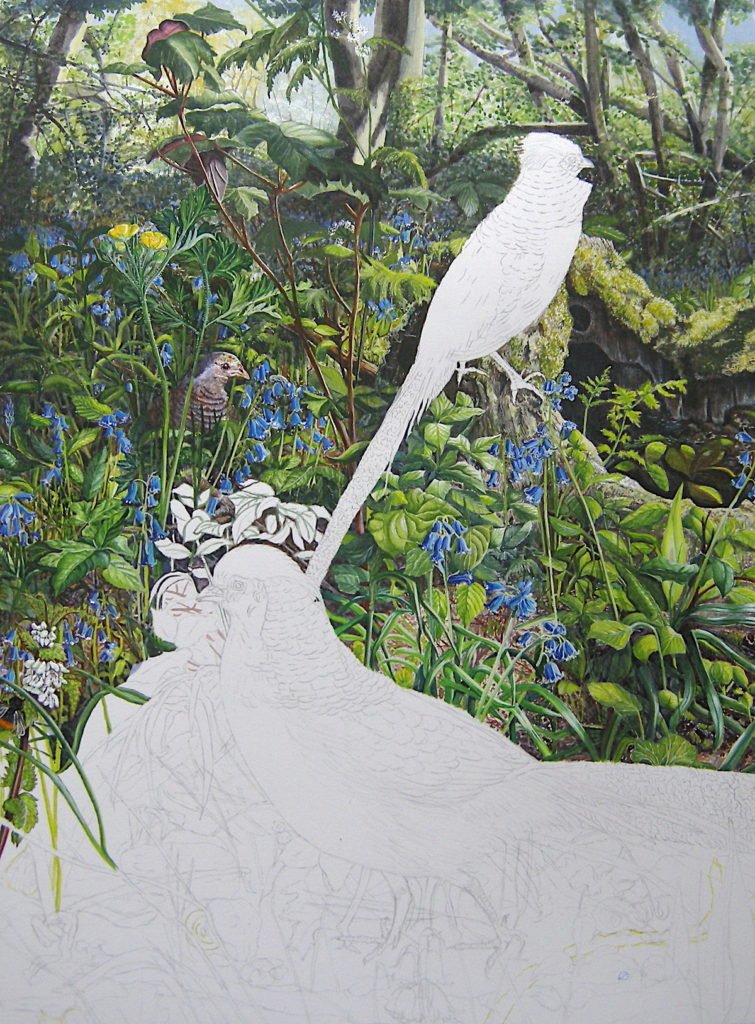
1515 Update: Bluebells and Golden Pheasants

I have now reached 71 hours on this artwork (and still counting!). The background is now complete, except for a few highlights. It is now going to bed again because Book 5 in the River Friend Series beckons. Book 4 has been submitted for publication, but Ingram Spark have said that it is taking longer to set the proofs at the moment (which is quite understandable), so I shall just have to be patient. Hopefully it will be published and for sale on Amazon in a couple of weeks’ time.

It is a good thing I do not charge myself an hourly rate otherwise this one would cost about £1,400 so far (71 hours @ £20 per hour!). But money is not why I paint. Now I am a pensioner, it is all good fun—well most of the time!